





No products in the cart.
- Latest
- Trending


The global tourism industry, battered by unprecedented challenges, is demonstrating remarkable resilience and a dynamic shift in traveler behavior. As nations reopen and restrictions ease, the sector is not just recovering but also evolving, with new trends shaping the future of travel. This resurgence is a testament to the enduring human desire to explore, connect, and experience the world.
Key Drivers of Recovery:
Several factors are fueling this rebound. Pent-up demand, a significant consequence of prolonged lockdowns and travel restrictions, is a primary driver. Travelers are eager to make up for lost time, opting for longer stays and more immersive experiences. Domestic tourism continues to play a crucial role, with many individuals rediscovering the attractions within their own countries. This trend, amplified during the pandemic, offers a stable foundation for recovery.
Furthermore, the rise of "bleisure" travel – the blending of business and leisure – is gaining momentum. With the widespread adoption of remote and hybrid work models, employees are increasingly incorporating personal travel into their business trips, extending their stays and exploring new destinations. This flexibility offers new opportunities for hotels and destinations to cater to a dual-purpose traveler.
Evolving Traveler Preferences:
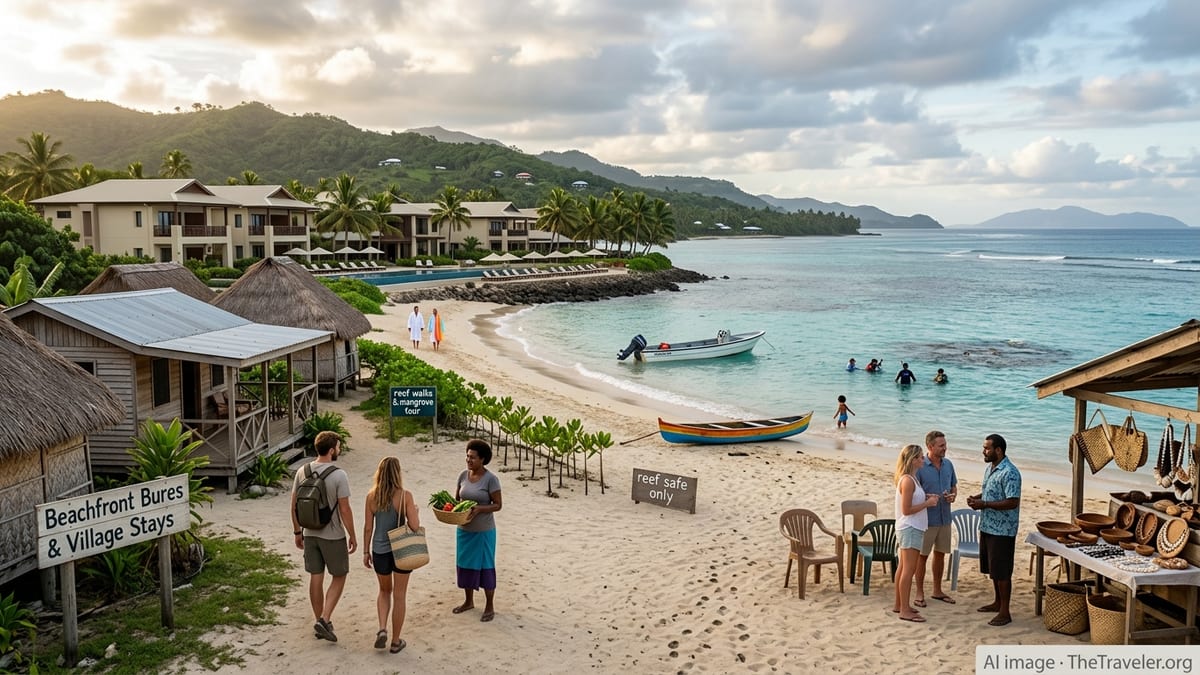
Beyond the return of travel, significant shifts in traveler preferences are becoming apparent. Sustainability is no longer a niche concern; it’s a core consideration for a growing segment of travelers. They are actively seeking eco-friendly accommodations, responsible tour operators, and destinations committed to preserving their natural and cultural heritage. This conscious consumerism is pushing the industry towards more sustainable practices.
Health and safety remain paramount. While initial pandemic-related concerns have subsided, travelers continue to value destinations and providers that maintain high standards of cleanliness and hygiene. This has led to an increased demand for contactless services, enhanced sanitization protocols, and transparent communication about safety measures.
Technology is also playing an increasingly transformative role. From AI-powered chatbots offering personalized recommendations to seamless online booking platforms and digital check-ins, technology is enhancing the traveler experience at every touchpoint. Personalized experiences, tailored to individual preferences and past travel history, are becoming the gold standard.
Challenges and Opportunities Ahead:
Despite the positive trajectory, challenges persist. Inflationary pressures, geopolitical instability, and the ongoing threat of new health crises require the industry to remain agile and adaptable. Labor shortages continue to impact service delivery in many regions, necessitating innovative recruitment and retention strategies.
However, these challenges also present opportunities. The focus on domestic and regional travel can foster stronger local economies and preserve cultural authenticity. The demand for sustainable and experiential travel can drive innovation in product development and destination management. Embracing technology and data analytics will be crucial for understanding and catering to evolving traveler needs.
The tourism industry’s capacity for reinvention and its intrinsic appeal to the human spirit ensure its continued growth and importance in the global economy. By embracing sustainability, prioritizing traveler well-being, and leveraging technological advancements, the sector is well-positioned to navigate future complexities and unlock new avenues for success.
Key Points
Read the Complete Article.
Get curated travel AI insights — choose the newsletters that matter to you.
ALTOUR Expands into Thailand, Strengthening Corporate Travel Network Across Southeast Asia BANGKOK, THAILAND (25 March, 2026) – ALTOUR, a leading...
Read moreDetails


Comprehensive Summarization: India's burgeoning interest in dark skies and deep space is transforming the domestic travel landscape, with Karnataka emerging...
Read moreDetails