





No products in the cart.
- Latest
- Trending


What Should Hotel Tech Vendors Focus On?
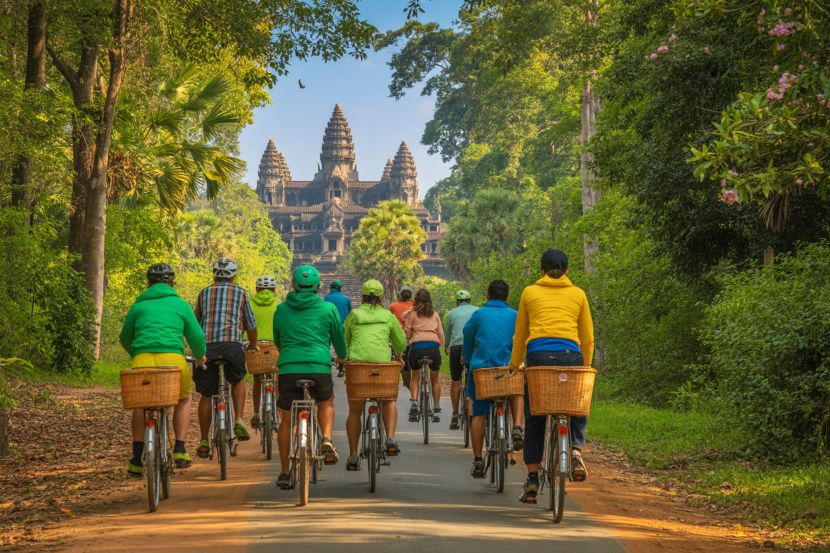
The global travel industry is at a crucial juncture. While post-pandemic travel demand surges, destinations worldwide grapple with the complexities of overtourism and its impact on local communities and the environment. This surge, while economically beneficial, is straining resources and triggering discussions about sustainability and responsible tourism.
One of the key challenges lies in managing the influx of visitors. Iconic locations, from European cities to national parks, are experiencing overcrowding, leading to negative consequences like increased pollution, strain on infrastructure, and displacement of local residents. This highlights the urgent need for sustainable strategies to mitigate these issues and preserve these destinations for future generations.
Technology plays a vital role in addressing these challenges. By leveraging data analytics and AI, destinations can better understand travel patterns, optimize resource allocation, and implement crowd management strategies. Furthermore, technology can empower travelers to make more informed decisions, promoting responsible travel choices and supporting local businesses.
The industry is also witnessing a shift towards regenerative tourism. This approach goes beyond simply minimizing negative impacts and aims to actively contribute to the well-being of local communities and the environment. Examples include supporting local economies, promoting cultural preservation, and investing in conservation efforts.
Collaboration is crucial for successful implementation of sustainable tourism practices. Governments, tourism operators, local communities, and travelers must work together to develop and implement strategies that balance economic growth with environmental and social responsibility.
Ultimately, the future of travel hinges on a commitment to sustainability. By embracing responsible practices, leveraging technology, and fostering collaboration, the industry can ensure that travel remains a force for good, benefiting both travelers and the destinations they visit. This shift requires a fundamental change in mindset, prioritizing long-term sustainability over short-term gains. It demands careful planning, innovative solutions, and a collective effort to protect the world’s natural and cultural heritage.
Key Points:
Read the Complete Article.
Get curated travel AI insights — choose the newsletters that matter to you.
ALTOUR Expands into Thailand, Strengthening Corporate Travel Network Across Southeast Asia BANGKOK, THAILAND (25 March, 2026) – ALTOUR, a leading...
Read moreDetails


Comprehensive Summarization: The article discusses a significant shift in travel patterns in Myanmar due to a surge in fuel prices,...
Read moreDetails