






No products in the cart.
- Latest
- Trending


The global travel industry is in a state of dynamic evolution, having weathered the storm of the pandemic and emerging with new priorities and consumer expectations. For businesses to thrive in this new era, understanding and adapting to these shifts is paramount. This article delves into the critical trends shaping the post-pandemic travel landscape and outlines actionable strategies for success.
One of the most significant transformations is the heightened focus on personalized and experiential travel. Gone are the days of one-size-fits-all packages. Today’s travelers seek authentic experiences that cater to their individual interests, whether it’s culinary adventures, cultural immersion, or wellness retreats. This necessitates a move towards data-driven personalization, leveraging customer insights to craft bespoke itineraries and offerings.
Sustainability and responsible tourism have also moved from niche concerns to mainstream demands. Travelers are increasingly aware of their environmental and social impact, actively seeking out businesses committed to eco-friendly practices and community engagement. Hotels and tour operators that demonstrate a genuine commitment to sustainability will not only attract a growing segment of conscious consumers but also contribute to the long-term health of destinations.
The digital transformation continues to accelerate, with technology playing a pivotal role in every stage of the travel journey. From seamless online booking and contactless check-in to augmented reality experiences and AI-powered recommendations, technology is enhancing convenience and personalization. Businesses that invest in user-friendly digital platforms and innovative tech solutions will gain a competitive edge.
Furthermore, the article highlights the importance of flexibility and adaptability. The past few years have taught us the value of agile operations and the ability to pivot quickly in response to changing circumstances. This includes offering flexible booking policies, diversifying revenue streams, and fostering a resilient workforce.
Wellness and well-being are no longer an afterthought but a core component of travel for many. Travelers are prioritizing trips that promote physical, mental, and emotional health, leading to a surge in demand for spa services, healthy dining options, and activities that foster relaxation and rejuvenation.
Building strong customer relationships and fostering loyalty are crucial in a competitive market. This involves going beyond transactional interactions to create memorable experiences and actively engaging with customers across various touchpoints. Loyalty programs, personalized communication, and exceptional service are key to cultivating repeat business.
Finally, a nuanced understanding of evolving market segments is essential. While certain demographics may be eager to return to familiar destinations, others are exploring new frontiers and seeking unique, off-the-beaten-path experiences. A segmented marketing approach that caters to diverse needs and preferences will yield the best results.
Read the Complete Article.
Get curated travel AI insights — choose the newsletters that matter to you.
ALTOUR Expands into Thailand, Strengthening Corporate Travel Network Across Southeast Asia BANGKOK, THAILAND (25 March, 2026) – ALTOUR, a leading...
Read moreDetails


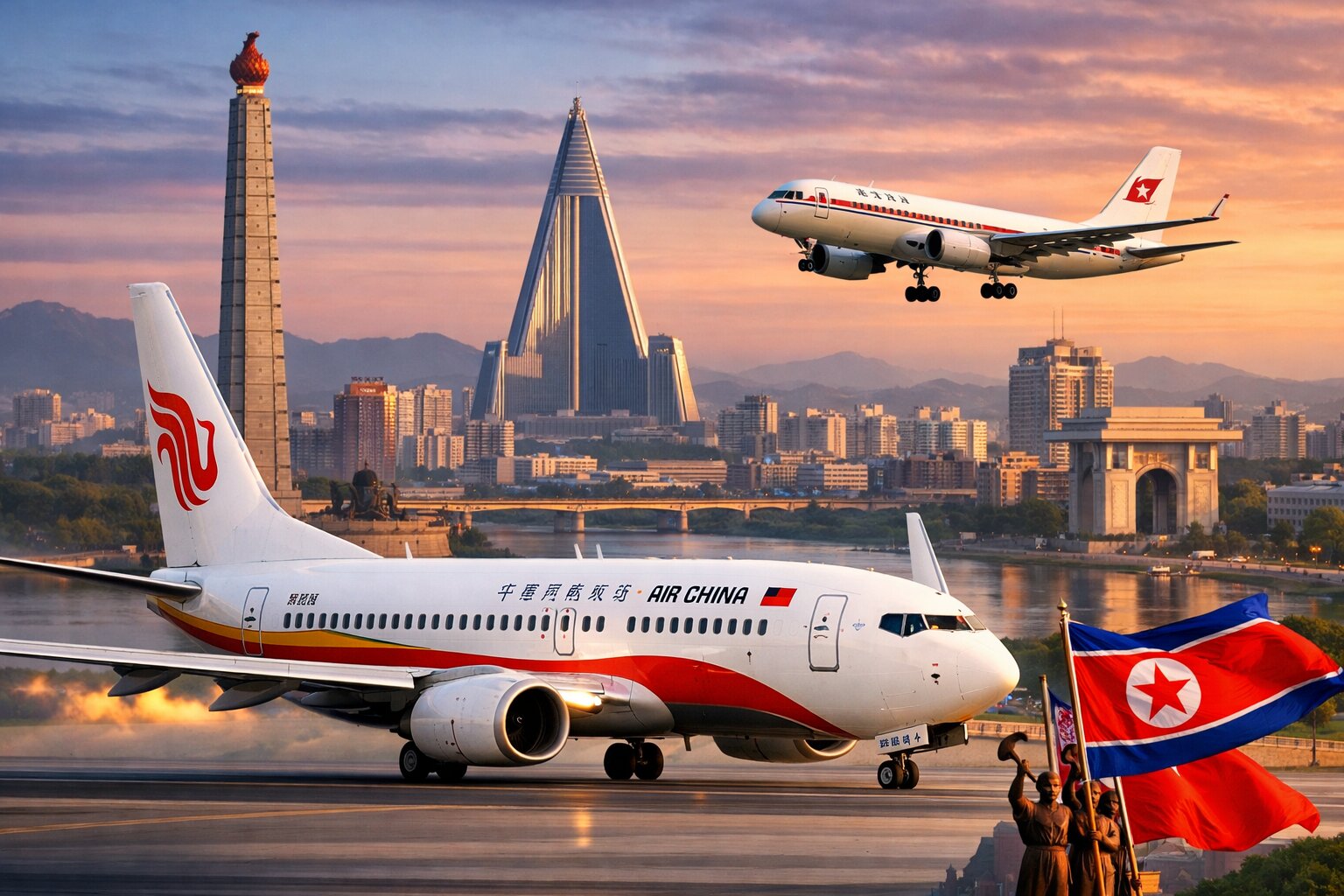
Comprehensive Summarization: China has recently resumed direct flights to North Korea's capital, Pyongyang, after a six-year hiatus, as reported by...
Read moreDetails