




No products in the cart.
- Latest
- Trending


The hospitality industry continues its dynamic evolution in the wake of the pandemic, with travelers exhibiting distinct preferences and expectations. Understanding these shifts is paramount for hotels and other travel businesses aiming to thrive in this new era. This article from HospitalityNet offers a compelling snapshot of the current travel landscape, highlighting crucial trends and actionable strategies for success.
One of the most significant observations is the sustained demand for travel, particularly among younger generations. Millennials and Gen Z are driving this resurgence, prioritizing experiences and authentic local engagement. This translates into a growing appetite for boutique hotels, unique accommodations, and personalized service that goes beyond mere transactional exchanges. The emphasis is on creating memorable moments and fostering genuine connections with destinations.
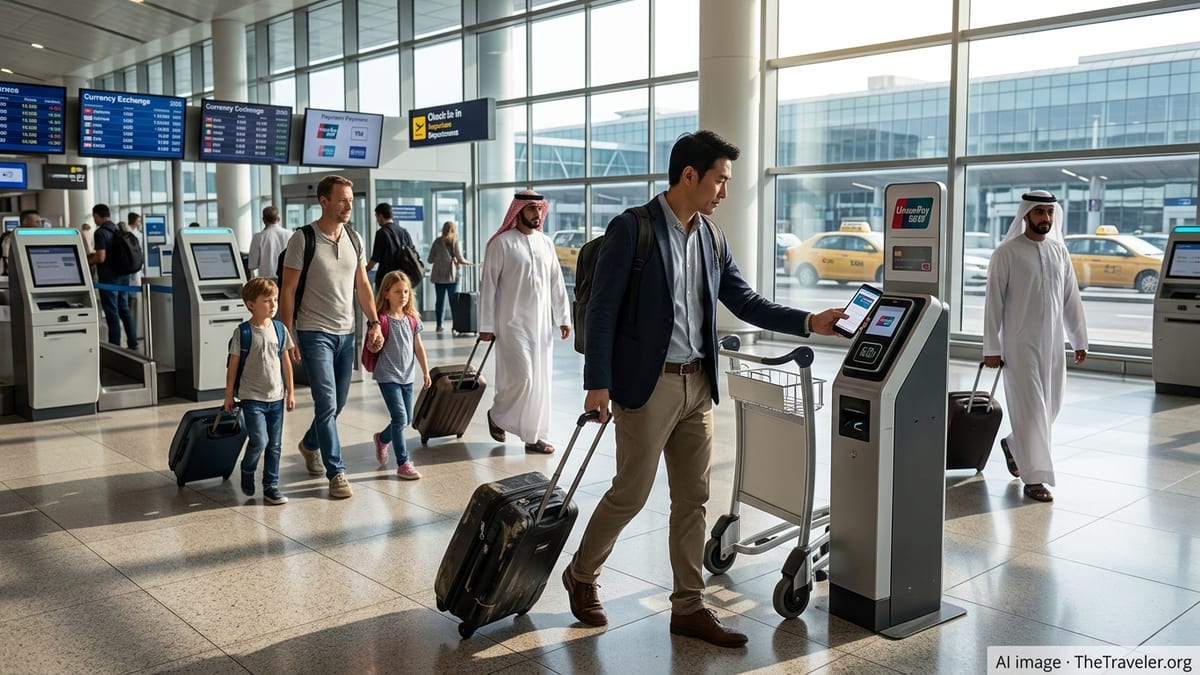
Furthermore, the article underscores the enduring impact of technology on the travel journey. From seamless online booking and digital check-in to AI-powered guest services and hyper-personalized marketing, technology is no longer a luxury but a necessity. Hotels that embrace digital transformation and leverage data to understand guest behavior will gain a competitive edge. This includes investing in user-friendly websites, mobile apps, and in-room technology that enhances convenience and comfort.
Sustainability is another non-negotiable for today’s traveler. Consumers are increasingly conscious of their environmental footprint and actively seek out businesses that align with their values. Hotels demonstrating a commitment to eco-friendly practices, such as reducing waste, conserving energy, and supporting local communities, will resonate deeply with this growing segment. Transparency in sustainability efforts is key to building trust and loyalty.
The concept of "bleisure" – the blending of business and leisure travel – also continues to gain traction. As remote work becomes more commonplace, travelers are extending business trips to explore their destinations or incorporating personal activities into their work schedules. Hotels that cater to this hybrid traveler by offering comfortable co-working spaces, reliable Wi-Fi, and amenities that support both productivity and relaxation are well-positioned to capture this lucrative market.
In summary, success in the post-pandemic hospitality sector hinges on adaptability, technological integration, a focus on guest experience, and a commitment to sustainability. By understanding and responding to these evolving traveler needs, businesses can not only navigate the current climate but also forge a path toward long-term growth and profitability.
Read the Complete Article.
Get curated travel AI insights — choose the newsletters that matter to you.
ALTOUR Expands into Thailand, Strengthening Corporate Travel Network Across Southeast Asia BANGKOK, THAILAND (25 March, 2026) – ALTOUR, a leading...
Read moreDetails


Comprehensive Summarization: The article introduces Wizz Air’s Wizz Discount Club (WDC), a loyalty and discount program available until 13 April....
Read moreDetails