




















Travel Capitalist Ventures Expands Check Size to $10 Million to Deepen Emerging Market Conviction
Boutique Travel VC raises investment cap from $1.5M to $10M to lead rounds and support portfolio companies through growth Travel...
Read moreDetails
How Technology and Economic Shifts Are Transforming Hospitality in 2026
Transforming Hospitality: Six Forces Shaping the Future of Travel and Lodging
In 2026, the hospitality industry stands on the brink of a transformative era, driven by evolving consumer preferences, technological advancements, and economic challenges. A recent Deloitte report highlights six pivotal shifts that will redefine the travel and lodging landscape, compelling industry leaders to adapt swiftly to meet the demands of a new generation of travelers. This article delves into these transformative forces, examining their implications for hospitality executives and the strategic responses required to thrive in this evolving environment.
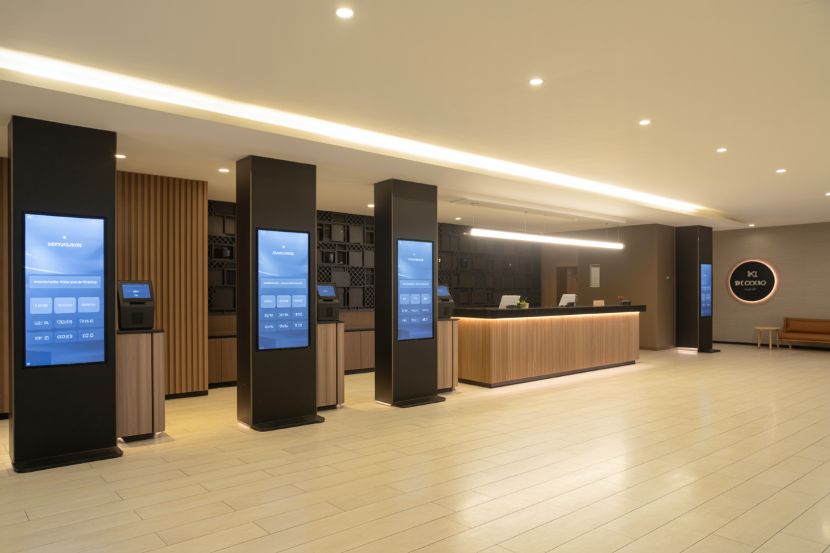
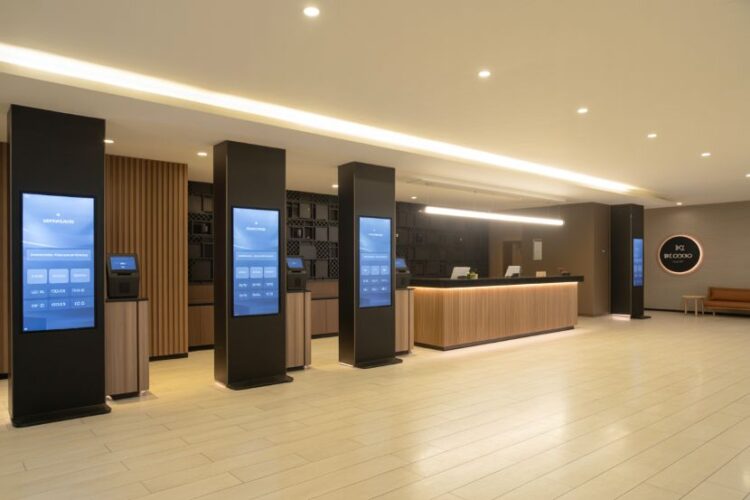
The first force reshaping the hospitality industry is the relentless pace of digital transformation. Today’s travelers expect seamless, personalized experiences that leverage technology to enhance every aspect of their journey. From mobile check-ins and AI-driven concierge services to real-time language translation apps, digital tools are becoming indispensable. According to Deloitte, 70% of travelers now use mobile apps for booking and managing their stays, with 60% expressing a preference for hotels that offer personalized recommendations based on past behavior. This shift necessitates that hospitality businesses invest heavily in robust digital platforms and data analytics capabilities to deliver tailored experiences that meet and exceed customer expectations.
As global awareness of environmental issues grows, sustainability has emerged as a critical factor influencing consumer choices in the travel sector. The second force driving change is the increasing emphasis on sustainability and Environmental, Social, and Governance (ESG) commitments. Travelers are more likely to choose accommodations that demonstrate a genuine commitment to reducing their carbon footprint and supporting local communities. A recent survey by the Global Sustainable Tourism Council revealed that 80% of travelers consider sustainability when selecting a hotel, with 65% willing to pay a premium for eco-friendly options. Hospitality leaders are responding by integrating sustainable practices, such as energy-efficient systems, waste reduction initiatives, and partnerships with local conservation organizations. This not only appeals to eco-conscious travelers but also aligns with regulatory trends aimed at promoting greener operations.
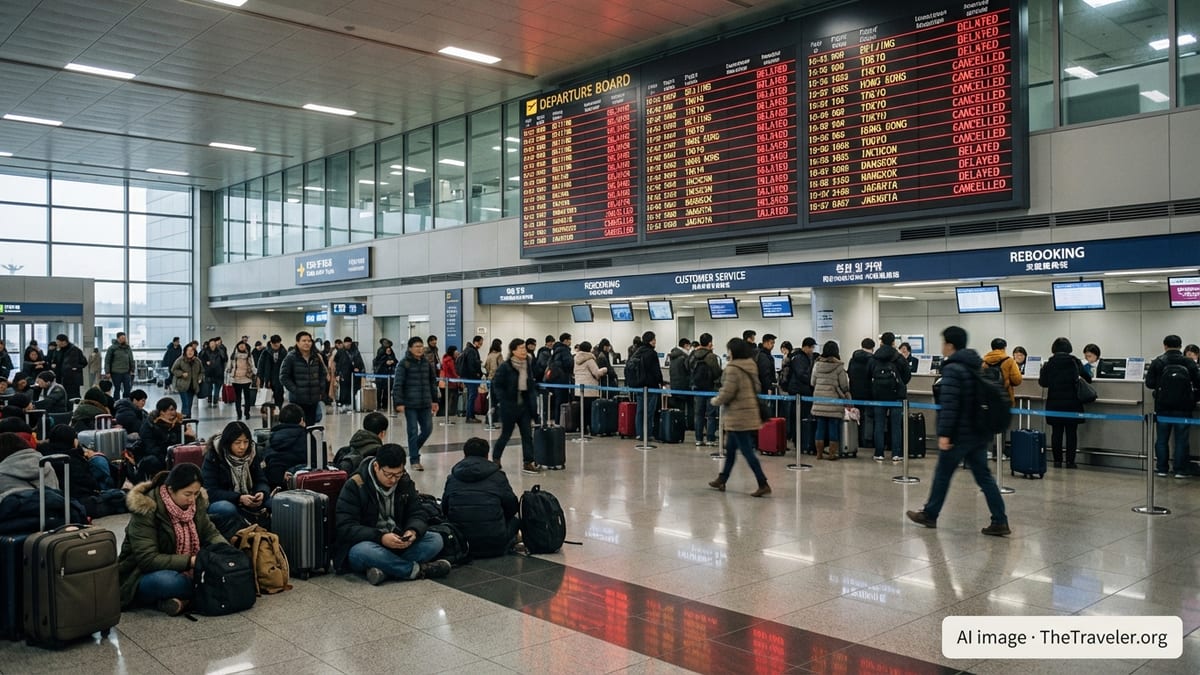
The third force impacting the hospitality industry is the ongoing economic uncertainty caused by fluctuating global markets and geopolitical tensions. Travelers are becoming more price-sensitive, with 55% of respondents in a recent Deloitte survey indicating that cost is a primary factor in their booking decisions. This economic pressure has prompted hotels to adopt dynamic pricing strategies, leveraging real-time data analytics to adjust rates based on demand, seasonality, and competitor pricing. Additionally, many hotels are exploring alternative revenue streams, such as experiential offerings and partnerships with local businesses, to enhance profitability amid tighter margins. The ability to adapt pricing models swiftly and accurately will be crucial for hotels aiming to maintain competitiveness and profitability in a volatile economic climate.
In the wake of the COVID-19 pandemic, health and safety have become paramount concerns for travelers. The fourth force shaping the future of hospitality is the heightened focus on health protocols and safety measures. Travelers are increasingly prioritizing accommodations that implement rigorous hygiene standards, contactless services, and transparent communication regarding health protocols. A Deloitte survey found that 68% of travelers would choose a hotel with enhanced health and safety measures over a more luxurious option if it meant a safer travel experience. Hospitality businesses are responding by investing in enhanced cleaning protocols, contactless check-in systems, and the deployment of health monitoring technologies. These measures not only address traveler concerns but also build trust and loyalty in an environment where safety is a top priority.
The fifth force influencing the hospitality industry is the rise of work travel and remote collaboration. As remote work becomes more prevalent, there is a growing demand for hotels that cater to business travelers seeking productive work environments. This shift has led to the emergence of “work-friendly” hotels, equipped with high-speed internet, ergonomic workspaces, and dedicated business centers. According to a report by the International Hotel and Restaurant Association, 62% of business travelers now prioritize hotels that offer robust work facilities, with 48% indicating they are willing to pay a premium for such amenities. Hotels are responding by redesigning their spaces to accommodate both leisure and business travelers, offering flexible booking options, and integrating technology that supports seamless remote collaboration.
Finally, the sixth force reshaping the hospitality industry is the growing emphasis on cultural sensitivity and authentic local experiences. Travelers are seeking more than just a place to stay; they are looking for immersive experiences that connect them with the local culture and community. This trend has been accelerated by the desire for authentic, off-the-beaten-path experiences that go beyond traditional tourist attractions. A Deloitte survey revealed that 75% of travelers prefer hotels that offer curated local experiences, such as guided tours, cultural workshops, and partnerships with local artisans. Hospitality businesses are responding by developing partnerships with local communities, offering specialized itineraries, and training staff to provide culturally sensitive service. This focus on authenticity not only enhances the traveler’s experience but also supports local economies and fosters goodwill.
Key Quantifiable Data:
Organizations Involved:
Key People:
Specific Locations:
Properties and Brands:
Strategic Topics Discussed:
Named Solutions:
Market Context:
The hospitality industry in 2026 is poised for significant transformation, driven by a confluence of technological innovation, evolving consumer expectations, and economic realities. Hospitality leaders must navigate these six forces with agility and foresight, leveraging digital tools, embracing sustainability, and prioritizing health, safety, and authentic experiences. By doing so, they can not only meet the demands of modern travelers but also position their businesses for long-term success in an increasingly competitive landscape.
Read the Complete Article.
Boutique Travel VC raises investment cap from $1.5M to $10M to lead rounds and support portfolio companies through growth Travel...
Read moreDetails




