







No products in the cart.
- Latest
- Trending


Understanding the modern guest requires a fundamental shift in how properties gather and interpret feedback. Traditional satisfaction surveys often fail to capture the unspoken expectations that actually drive loyalty and recommendations.
The hotel industry is constantly striving to meet and exceed guest expectations. However, a significant challenge remains: the disconnect between what guests say they want and what they actually experience and desire. This "stated vs. real needs" gap can lead to missed opportunities for personalization, loyalty, and ultimately, revenue. Fortunately, technology offers powerful solutions to illuminate these hidden guest preferences, transforming how hotels operate and delight their clientele.
Understanding the Disconnect: Why the Gap Exists
Guests often articulate their needs based on convenience, current trends, or what they believe is expected. This can be influenced by marketing, past experiences, or even a desire to appear discerning. The reality, however, can be far more nuanced. A guest might request a specific room view, but their true need might be for a quiet escape from a busy city. Or, they might mention dietary restrictions, but their deeper need is for a personalized culinary journey that caters to their evolving tastes.
Technology as the Insight Engine
The key to bridging this gap lies in leveraging technology to gather, analyze, and act upon a wider spectrum of guest data. This goes beyond simple feedback forms and embraces a more holistic approach:
By actively listening to the digital breadcrumbs guests leave and utilizing intelligent analysis, hotels can move from simply fulfilling stated requests to proactively creating exceptional experiences that resonate with their guests’ deepest desires. This technological embrace is not just about efficiency; it’s about building genuine connections and fostering lasting loyalty in an increasingly competitive market.
Key Points
Read the Complete Article.
Get curated travel AI insights — choose the newsletters that matter to you.
ALTOUR Expands into Thailand, Strengthening Corporate Travel Network Across Southeast Asia BANGKOK, THAILAND (25 March, 2026) – ALTOUR, a leading...
Read moreDetails


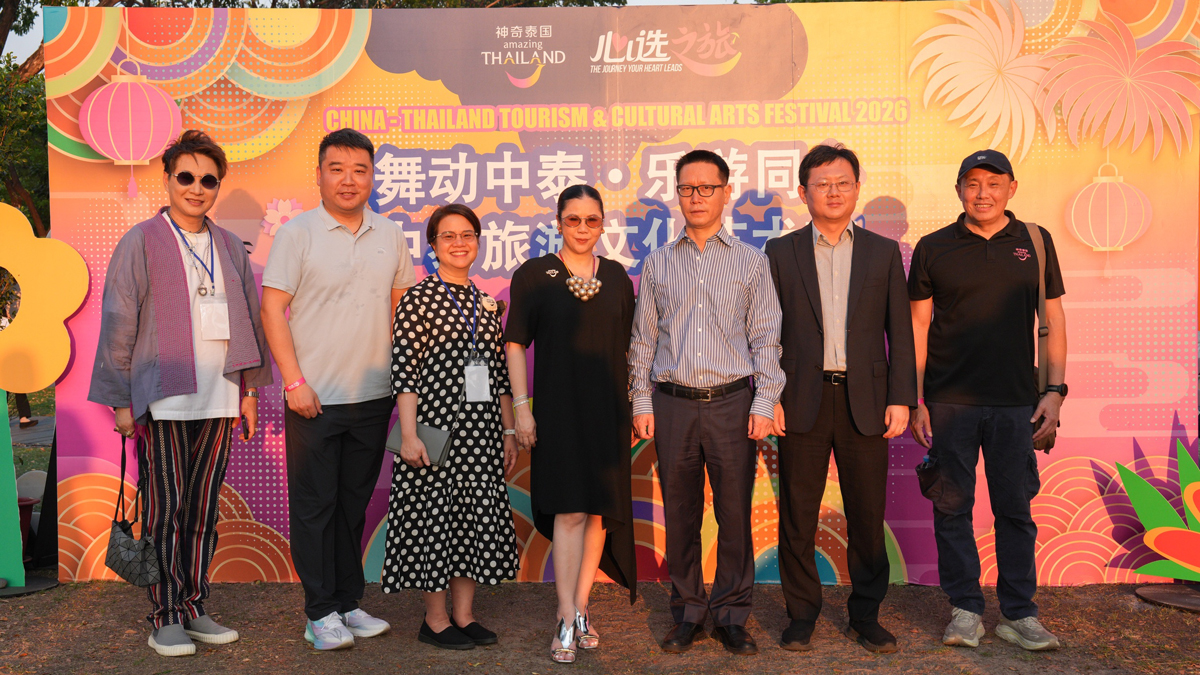
Chiang Mai, Thailand — March 29, 2026 In short: Thailand hosts the 2026 China–Thailand Cultural Festival, attracting over 1,000 attendees....
Read moreDetails