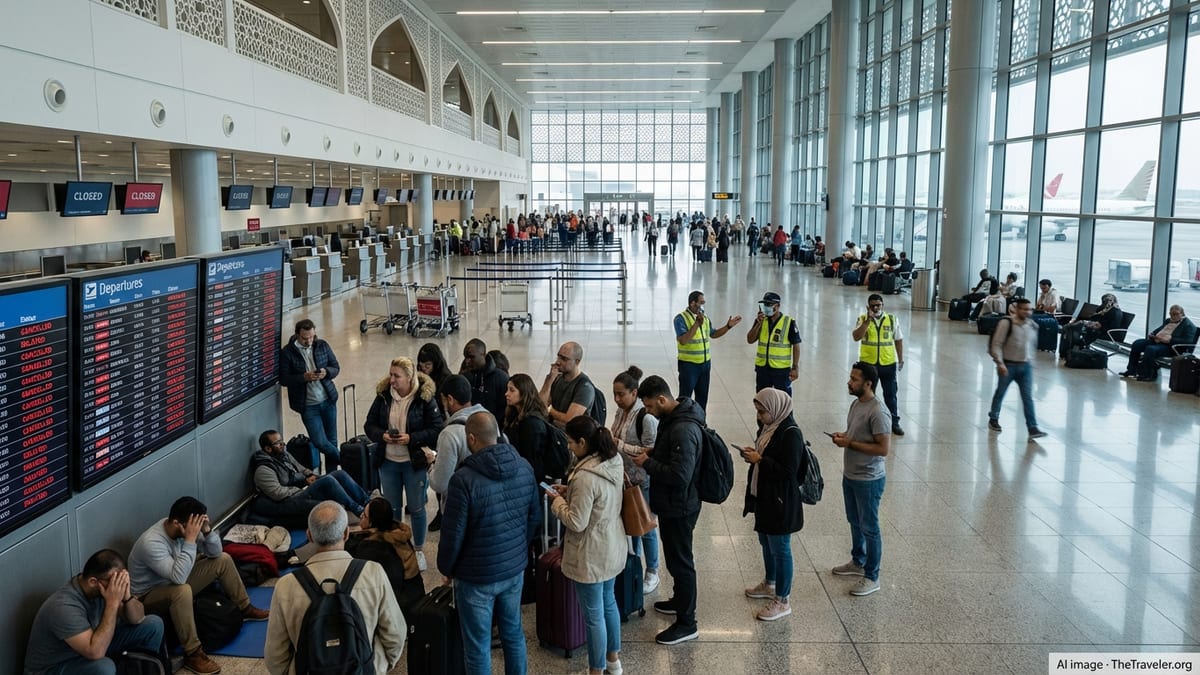
The International Air Transport Association (IATA) has released long-term projections indicating that global air passenger demand is expected to more than double by 2050. The fastest growth is anticipated in the Asia-Pacific and Africa regions. This forecast highlights significant shifts in travel patterns and underscores the need for the industry to adapt to these burgeoning demands, particularly in emerging markets.
Key Points:
IATA projects a more than doubling of global air passenger demand by 2050.
The Asia-Pacific and Africa regions are expected to experience the fastest growth in air travel demand.
The article emphasizes the need for the travel industry to prepare for and adapt to these substantial increases in demand.
Actionable Takeaways:
Investment in Infrastructure and Capacity: Airlines and airports should prioritize investments in infrastructure and capacity expansion, particularly in Asia-Pacific and Africa, to meet the projected surge in demand. This includes upgrading airports, increasing fleet sizes, and enhancing operational efficiencies to handle higher passenger volumes.
Focus on Emerging Markets: Travel companies should intensify their focus on emerging markets in Asia-Pacific and Africa. Developing tailored marketing strategies, improving service offerings, and ensuring regulatory compliance in these regions can help capture a larger share of the growing market.
Technological Adaptation: The travel industry must leverage technology to streamline operations and enhance customer experiences. This includes adopting advanced booking systems, implementing robust cybersecurity measures, and utilizing data analytics to predict demand patterns and optimize resource allocation.
Contextual Insights:
The projected surge in global air passenger demand by 2050 is a clear indicator of the evolving dynamics within the travel industry. The Asia-Pacific and Africa regions are poised for rapid growth, driven by increasing disposable incomes, urbanization, and improving economic conditions. This trend aligns with broader global travel trends that favor accessibility and connectivity, particularly in regions where air travel was previously less prevalent.
As the industry anticipates this growth, it is crucial to consider the environmental impact of such expansion. The aviation sector is under increasing scrutiny for its carbon footprint, and stakeholders must explore sustainable aviation solutions, such as investing in biofuels, electric aircraft, and more efficient flight paths. Additionally, regulatory bodies are likely to impose stricter emissions standards, necessitating proactive measures from airlines and airports to remain compliant and competitive.
In summary, the IATA projections underscore the imperative for the travel industry to adapt to a rapidly growing market, particularly in Asia-Pacific and Africa. By focusing on infrastructure, market expansion, and technological innovation, the industry can capitalize on this growth while addressing sustainability concerns.
Comprehensive Summarization: The article reports a ground handling incident involving a FlySafair Boeing 737-800 at Cape Town International Airport, which...