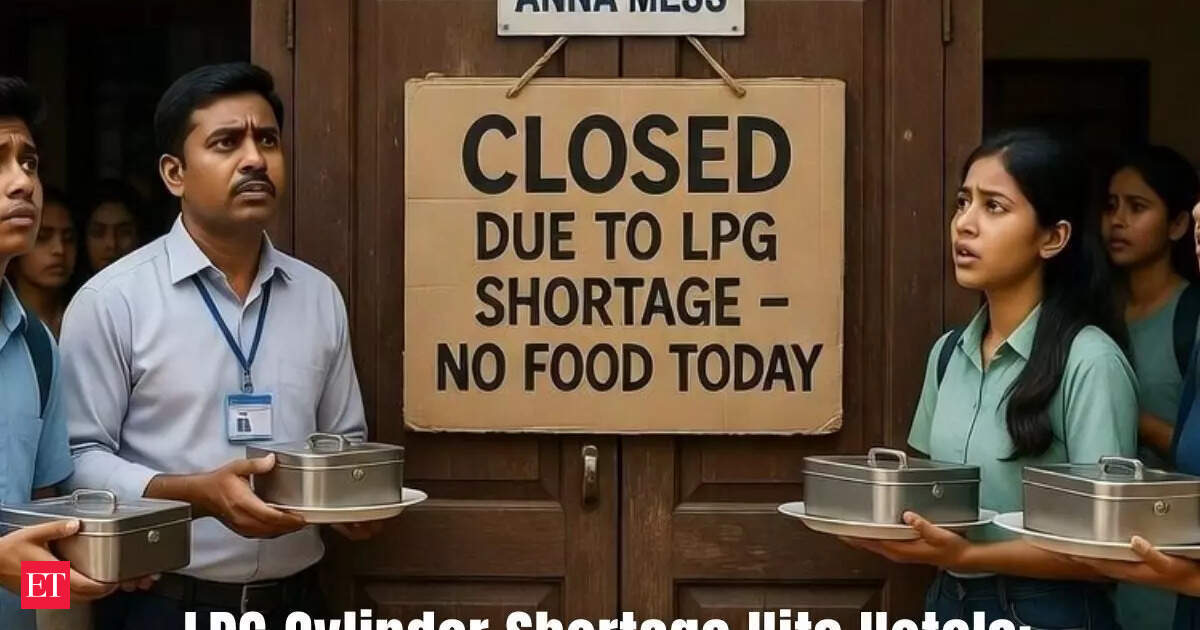
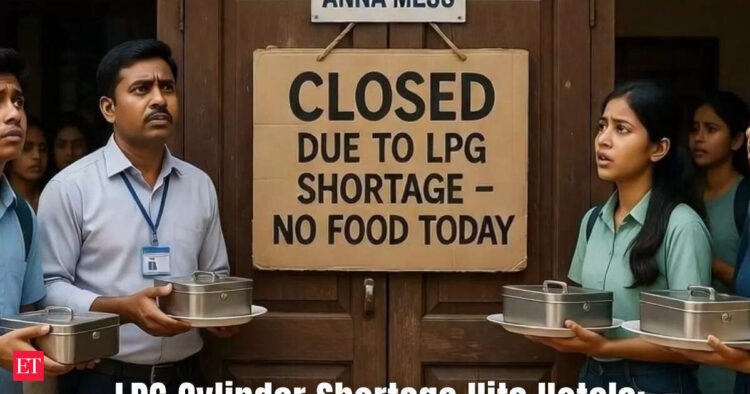
The Indian hospitality industry is currently facing a crisis due to the Union Ministry of Petroleum and Natural Gas halting the distribution of commercial LPG cylinders to prioritize domestic kitchen supplies. This decision is a direct consequence of the intensifying conflict in West Asia, which has led to the closure of the Strait of Hormuz, a crucial maritime route for India’s energy needs. India relies on imports for approximately 62% of its total LPG supply. This situation highlights the vulnerability of the hospitality sector to geopolitical tensions and underscores the need for alternative energy solutions and supply chain resilience in the travel industry.
Key Points:
The Indian government has halted the distribution of commercial LPG cylinders to prioritize domestic kitchen supplies.
The conflict in West Asia, involving the US, Israel, and Iran, has led to the closure of the Strait of Hormuz, disrupting India’s energy supply.
India imports roughly 62% of its total LPG, making it highly dependent on external energy sources.
The crisis directly impacts the hospitality industry, which relies heavily on LPG for cooking and heating in hotels and restaurants.
Actionable Takeaways:
Supply Chain Diversification: Hospitality businesses should explore diversifying their energy supply sources to reduce dependency on imported LPG. This could involve investing in alternative cooking fuels or technologies that minimize reliance on imported energy.
Risk Management Strategies: Companies in the hospitality sector should develop risk management strategies to mitigate the impact of geopolitical tensions on their supply chains. This could include securing long-term energy contracts or investing in local energy production capabilities.
Innovation in Energy Solutions: There is an opportunity for startups and tech companies to innovate in the energy sector, offering sustainable and locally sourced energy solutions for the hospitality industry. This could include advancements in renewable energy technologies or efficient energy storage systems.
Contextual Understanding:
The article reflects the current state of the travel industry amidst geopolitical tensions and supply chain vulnerabilities. The closure of the Strait of Hormuz due to military conflicts has highlighted the critical role of maritime routes in global energy supply chains. This situation is particularly relevant for the hospitality industry, which heavily relies on LPG for its operations. The crisis underscores the need for the industry to adopt more resilient and diversified energy strategies to ensure continuity of operations. Additionally, the focus on alternative energy solutions aligns with broader industry trends towards sustainability and resilience, as highlighted by thought leaders in the travel tech and fintech sectors.
Handling Different Article Types:
The provided article is a news brief, offering factual information about a current crisis affecting the Indian hospitality industry. The analysis adheres strictly to the facts and context provided, focusing on the immediate impact on the industry and potential strategic responses. If the article were an opinion piece or feature, the analysis would adapt to incorporate the author’s perspective and deeper explorations of related topics, while still maintaining factual accuracy and relevance to the industry.
Comprehensive Summarization: The article highlights the upcoming Thingyan Festival in Myanmar, scheduled for April 2026, as an extraordinary cultural experience....