







No products in the cart.
- Latest
- Trending

Mangalore Today | Latest main news of mangalore, udupi
Comprehensive Summarization:
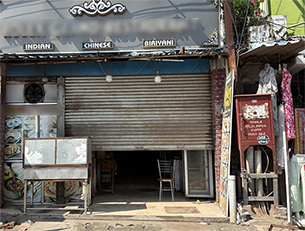
The article from Mangalore Today reports a commercial gas shortage in the Dakshina Kannada district, impacting hotels across Mangalore and Udupi. This shortage is attributed to the ongoing US-Israel-Iran conflict, which has disrupted the supply chain for commercial cooking gas. The situation highlights the vulnerability of the hospitality industry to geopolitical tensions and underscores the need for contingency planning in supply chain management. The article also touches on the broader global crisis, emphasizing how international conflicts can have localized economic impacts.
Key Points:
Actionable Takeaways:
Supply Chain Diversification: Hotels and hospitality businesses should diversify their supply sources for essential commodities like cooking gas to mitigate risks associated with geopolitical events. This could involve establishing relationships with multiple suppliers or exploring alternative fuel options.
Risk Assessment and Contingency Planning: Businesses should conduct regular risk assessments to identify potential vulnerabilities in their supply chains. Developing contingency plans that include backup suppliers and alternative logistics strategies can help mitigate the impact of unexpected disruptions.
Stakeholder Communication: Maintaining transparent communication with stakeholders, including customers and suppliers, about potential supply chain disruptions can help manage expectations and maintain trust. Providing updates on efforts to mitigate risks can also enhance the business’s reputation for resilience.
Contextual Insights:
The commercial gas shortage in Mangalore is a stark reminder of the interconnectedness of global events and their potential impact on local industries. The ongoing conflict in the Middle East has far-reaching consequences, affecting not only energy markets but also critical sectors like hospitality. This situation underscores the importance of resilience in supply chain management, a trend that is increasingly relevant in today’s volatile global landscape. As travel and hospitality businesses continue to navigate uncertainties, adopting innovative solutions for supply chain management will be crucial in ensuring operational continuity and customer satisfaction. The article also reflects broader industry trends towards greater awareness of geopolitical risks and the need for adaptive strategies to safeguard business operations.
Read the Complete Article.
Get curated travel AI insights — choose the newsletters that matter to you.
This spot is reserved for brands with a compelling story for the travel trade. They use this space to cut...
Read moreDetailsALTOUR Expands into Thailand, Strengthening Corporate Travel Network Across Southeast Asia BANGKOK, THAILAND (25 March, 2026) – ALTOUR, a leading...
Read moreDetails


Comprehensive Summarization: The article from Mangalore Today reports a commercial gas shortage in the Dakshina Kannada district, impacting hotels across...
Read moreDetails