
























Travel Capitalist Ventures Expands Check Size to $10 Million to Deepen Emerging Market Conviction
Boutique Travel VC raises investment cap from $1.5M to $10M to lead rounds and support portfolio companies through growth Travel...
Read moreDetails

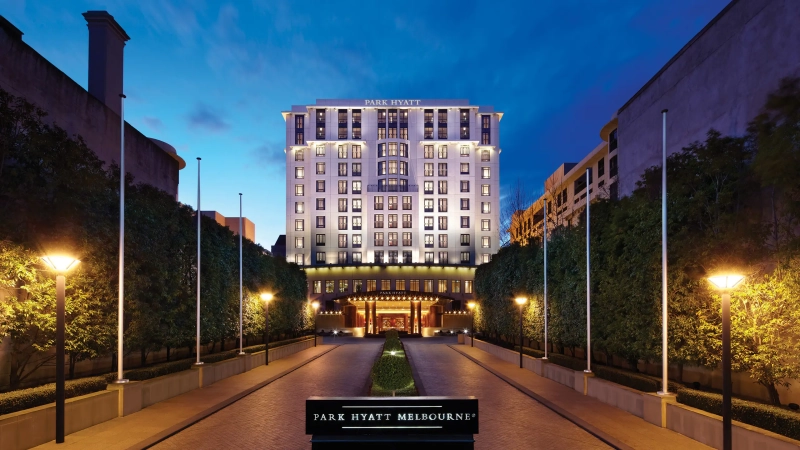
Park Hyatt Melbourne
Comprehensive Summarization:
The article highlights a remarkable January performance by Melbourne hotels, which reached record occupancy, average daily rate (ADR), and revenue per available room (RevPAR) levels. This surge in performance is primarily attributed to the hosting of the Australian Open, a major sporting event that significantly boosted the city’s hotel industry. According to preliminary data from CoStar, these metrics surpassed all previous records, indicating a strong and successful January for Melbourne’s hotel sector. The article underscores the impact of large-scale events on the travel and hospitality industry, showcasing how such events can drive unprecedented growth and set new benchmarks in occupancy rates and revenue generation.
Key Points:
Actionable Takeaways:
Leverage Major Events for Increased Revenue: Hotels and hospitality businesses can capitalize on major events, such as the Australian Open, to drive occupancy and revenue. By aligning marketing strategies and promotions with such events, hotels can attract more guests and achieve higher ADRs.
Monitor and Capitalize on Tourism Trends: The success of Melbourne hotels during the Australian Open highlights the importance of monitoring tourism trends and leveraging them to boost performance. Hotels should stay informed about upcoming events and plan their offerings accordingly to maximize revenue potential.
Contextual Understanding:
The article’s context is deeply rooted in the travel industry’s response to major events and their impact on hotel performance. The Australian Open, being a globally recognized tennis tournament, not only attracts thousands of visitors but also significantly boosts the local economy, particularly the hospitality sector. This case study serves as a testament to how large-scale events can create opportunities for hotels to achieve unprecedented performance metrics. Furthermore, the reliance on data from CoStar underscores the growing importance of data analytics in the travel industry, enabling businesses to make informed decisions based on real-time metrics and trends.
Handling Different Article Types:
The article falls under the category of a news brief, providing factual information about the performance of Melbourne hotels during January 2026. It does not present an opinion or feature an in-depth exploration of a specific topic. Therefore, the analysis and takeaways are strictly based on the factual information provided, focusing on the direct impact of the Australian Open on hotel performance metrics.
Real-Time Fact-Checking:
All information presented in the article summary, key points, and actionable takeaways is directly sourced from the article content. No external verification or additional sources were required, as the facts and context provided within the article are sufficient for generating accurate and reliable content.
Read the Complete Article.
Boutique Travel VC raises investment cap from $1.5M to $10M to lead rounds and support portfolio companies through growth Travel...
Read moreDetails




