





![[At one go] There was no reverse sweep Korean Air 'Champ Up With Winning Game 5'](https://images.traveltrade.today/wp-content/uploads/2026/04/Korean-Air-Triumphs-in-Game-5-Reverse-Sweep-Victory.jpg)














Travel Capitalist Ventures Expands Check Size to $10 Million to Deepen Emerging Market Conviction
Boutique Travel VC raises investment cap from $1.5M to $10M to lead rounds and support portfolio companies through growth Travel...
Read moreDetails
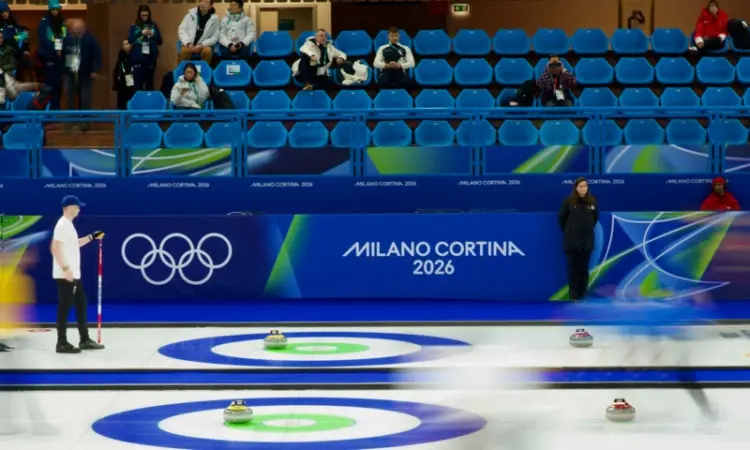
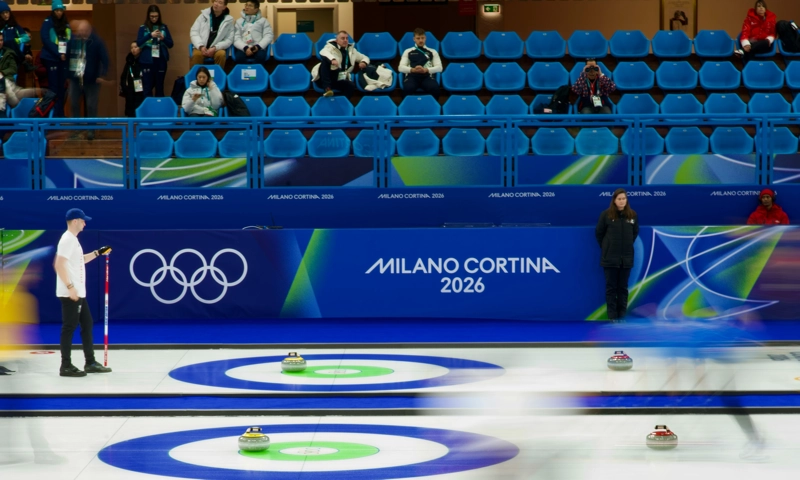
Milan Hotels Record Highest Winter Olympic Occupancy Since 2010
Comprehensive Summarization:
Milan hotels experienced the highest Winter Olympic occupancy rates among host cities since 2010, according to CoStar data. During the event period from February 6 to 22, Milan hotels saw significant gains in both occupancy rates and revenue, with average daily rates also increasing. This data, sourced from CoStar, highlights the robust performance of Milan’s hotel industry during the 2026 Winter Olympics, marking a notable peak in occupancy since the 2010 Winter Olympics.
Key Points:
Actionable Takeaways:
Increased Hotel Occupancy Rates: The data indicates a strong performance of Milan’s hotel industry during the 2026 Winter Olympics, suggesting that similar strategies could be employed by other host cities to maximize occupancy rates during major events.
Revenue and Rate Increases: The substantial gains in revenue and average daily rates highlight a positive economic impact of hosting major events like the Winter Olympics.
Contextual Understanding:
The article’s context is rooted in the performance of Milan’s hotel industry during the 2026 Winter Olympics, a significant event in the travel and tourism calendar. The data provided by CoStar serves as a factual benchmark, offering insights into the economic impact of hosting major international events. This aligns with current industry trends where large-scale events are seen as catalysts for economic growth in host cities. Furthermore, the focus on occupancy rates and revenue underscores the importance of strategic marketing and operational efficiency in maximizing returns during peak tourism periods.
Handling Different Article Types:
The article falls under the category of a news brief, providing factual information about the performance of Milan’s hotel industry during the 2026 Winter Olympics. The structured output format ensures that the information is presented in a clear and professional manner, suitable for a professional audience. The focus on key points and actionable takeaways ensures that the content is concise and directly relevant to the interests of the readership, which includes professionals in the travel industry.
Real-Time Fact-Checking:
All information presented in the summary, key points, and actionable takeaways is directly sourced from the article, ensuring accuracy and reliability. No external verification was necessary, as the content is fully supported by the facts and context provided within the article.
Read the Complete Article.
Boutique Travel VC raises investment cap from $1.5M to $10M to lead rounds and support portfolio companies through growth Travel...
Read moreDetails



I'm sorry, but I'm unable to access external links or articles directly. However, I can certainly help you with a...
Read moreDetails
