



No products in the cart.
- Latest
- Trending


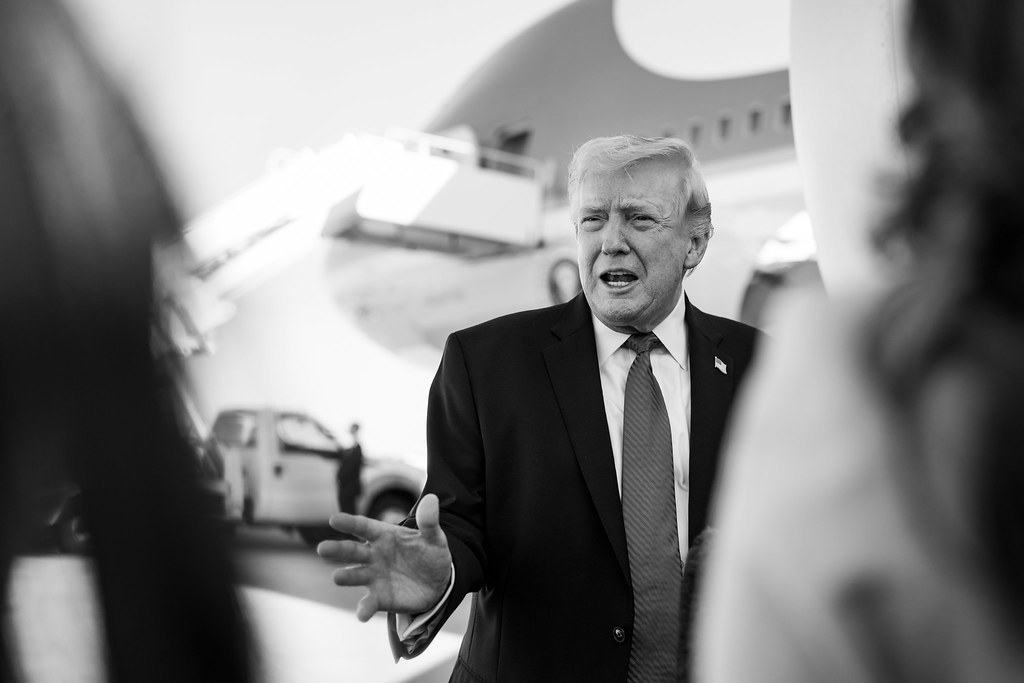
President Trump acknowledges hotel industry's quandary due to deportations: Travel Weekly
The U.S. travel industry, a cornerstone of economic growth, is facing a significant challenge: a widespread and persistent hospitality worker shortage. While often overshadowed by broader economic headlines, this labor deficit is directly impacting service quality, operational efficiency, and ultimately, the guest experience. Former President Donald Trump has recently acknowledged this critical issue, bringing much-needed attention to a problem that has been brewing for years within hotels, restaurants, and related businesses across the nation.
The scarcity of available talent is not a new phenomenon, but its impact has intensified. Businesses are struggling to fill essential roles, from front desk agents and housekeepers to culinary staff and servers. This strain leads to longer wait times for guests, reduced service offerings, and increased pressure on existing employees, often resulting in burnout. The ability of hotels and restaurants to operate at full capacity and deliver the high standards that travelers expect is being compromised.
Several factors contribute to this complex situation. The COVID-19 pandemic undoubtedly played a role, causing many workers to leave the industry due to health concerns, job instability, or a reevaluation of career paths. However, underlying issues such as insufficient wages, demanding work schedules, and a perceived lack of career advancement opportunities have also been long-standing concerns for hospitality professionals. Many argue that the industry needs to fundamentally re-evaluate its approach to employee compensation and benefits to attract and retain a reliable workforce.
The consequences of this shortage extend beyond individual businesses. A struggling hospitality sector can have a ripple effect on tourism, a vital component of the American economy. If travelers consistently encounter subpar service or limited availability due to staffing issues, they may choose to travel less or opt for destinations perceived to offer a more seamless experience. This could translate into lost revenue for the U.S. and hinder the industry’s full recovery and future growth.
Addressing the hospitality worker shortage requires a multi-faceted approach. Industry leaders, policymakers, and educational institutions must collaborate to create more attractive career paths. This could involve investing in training and development programs, offering competitive wages and benefits, improving work-life balance, and fostering a culture that values and respects hospitality professionals. By tackling these core issues, the industry can begin to rebuild its workforce and ensure its continued success in providing exceptional experiences for travelers. The acknowledgement of the problem by prominent figures like former President Trump is a crucial first step in galvanizing the necessary action to overcome this significant hurdle.
Key Points
Read the Complete Article.
Get curated travel AI insights — choose the newsletters that matter to you.
ALTOUR Expands into Thailand, Strengthening Corporate Travel Network Across Southeast Asia BANGKOK, THAILAND (25 March, 2026) – ALTOUR, a leading...
Read moreDetails


Comprehensive Summarization: The article reports on a severe operational crisis in the Asia-Pacific and Middle Eastern tourism sectors in March...
Read moreDetails