






















Travel Capitalist Ventures Expands Check Size to $10 Million to Deepen Emerging Market Conviction
Boutique Travel VC raises investment cap from $1.5M to $10M to lead rounds and support portfolio companies through growth Travel...
Read moreDetails
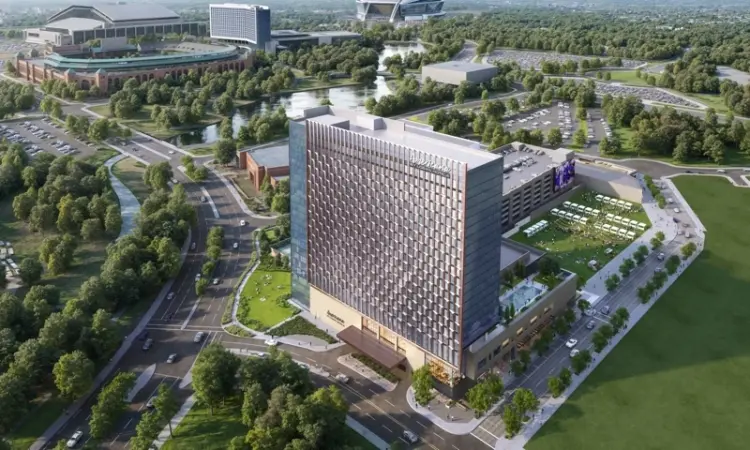
Americana by Loews Hotels, a 507-room property set to begin construction in summer 2026.
Comprehensive Summarization:
The article provides an update on the U.S. hotel construction pipeline as of Q4 2025, reporting a total of 6,146 projects and 720,089 rooms in the pipeline. This growth is attributed to a record number of brand conversions and steady development across all stages, as indicated by Lodging Econometrics. The overview emphasizes the dynamic nature of the U.S. hotel construction market, driven by strategic brand conversions and consistent growth, reflecting a robust and evolving sector within the travel industry.
Key Points:
Actionable Takeaways:
Contextual Understanding:
The article reflects the current state of the U.S. hotel construction market, characterized by significant growth driven by strategic brand conversions and consistent development across all stages. This context is crucial for understanding the broader implications for the travel industry, particularly in terms of market expansion, investment opportunities, and the role of strategic rebranding in revitalizing properties. The emphasis on a record number of brand conversions highlights a shift towards innovative approaches in the hospitality sector, potentially influencing future trends in hotel management and development.
Handling Different Article Types:
The article is a news brief, providing factual information on the U.S. hotel construction pipeline. The structured approach ensures that the summary, key points, and actionable takeaways are directly derived from the article’s content, maintaining accuracy and relevance. This type of article typically offers a snapshot of current industry developments, making it essential to focus on factual accuracy and actionable insights.
Real-Time Fact-Checking:
All information presented in the summary, key points, and actionable takeaways is directly sourced from the article, ensuring that the content is accurate and up-to-date as of the article’s publication. No external verification was necessary, as the article provides all the required factual information.
Structured Output Format:
markdown
Comprehensive Summarization:
The article reports that the U.S. hotel construction pipeline closed Q4 2025 with 6,146 projects and 720,089 rooms, driven by a record number of brand conversions and steady growth across all development stages, according to Lodging Econometrics.
Key Points:
Actionable Takeaways:
Contextual Insights:
The article reflects the current state of the U.S. hotel construction market, characterized by significant growth driven by strategic brand conversions and consistent development across all stages. This context is crucial for understanding the broader implications for the travel industry, particularly in terms of market expansion, investment opportunities, and the role of strategic rebranding in revitalizing properties. The emphasis on a record number of brand conversions highlights a shift towards innovative approaches in the hospitality sector, potentially influencing future trends in hotel management and development.
Read the Complete Article.
Boutique Travel VC raises investment cap from $1.5M to $10M to lead rounds and support portfolio companies through growth Travel...
Read moreDetails




