





















Travel Capitalist Ventures Expands Check Size to $10 Million to Deepen Emerging Market Conviction
Boutique Travel VC raises investment cap from $1.5M to $10M to lead rounds and support portfolio companies through growth Travel...
Read moreDetails
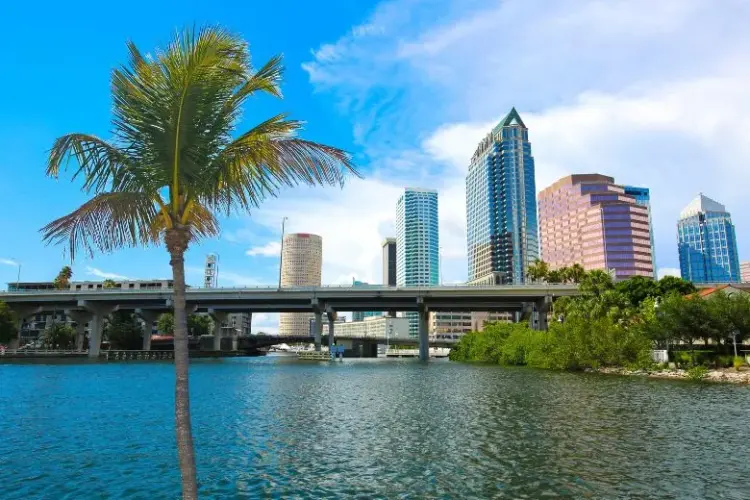
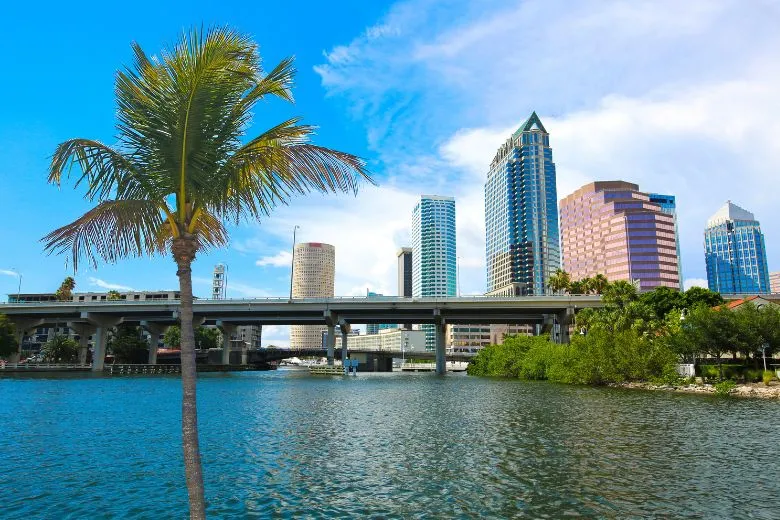
Among major travel destinations, Tampa faced the steepest setbacks. The city’s occupancy rate dropped by 23.2% to 60.9%, ADR fell 12% to $156.81, and RevPAR plummeted by 32.4% to $95.44.
Comprehensive Summarization:
The article discusses the significant decline in hotel occupancy and revenue across major travel destinations, with Tampa, FL, experiencing the steepest setbacks. Tampa’s occupancy rate dropped by 23.2% to 60.9%, Average Daily Rate (ADR) fell by 12% to $156.81, and Revenue Per Available Room (RevPAR) plummeted by 32.4% to $95.44. This downturn contrasts with St. Louis, which posted strong gains thanks to a major sporting event. The article also touches on broader travel trends and insights from thought leaders, highlighting the impact of recent events on the travel industry.
Key Points:
Actionable Takeaways:
Contextual Insights:
The decline in hotel occupancy and revenue in cities like Tampa, FL, highlights the vulnerability of the travel industry to external events and conditions. The sharp drop in occupancy rate, ADR, and RevPAR underscores the need for businesses to be agile and responsive to market changes. St. Louis’s strong performance, driven by a major sporting event, illustrates the potential for recovery through targeted marketing and leveraging significant events. This context is crucial for travel startups and fintech innovations, as it emphasizes the importance of real-time data analysis and strategic planning to navigate industry challenges and capitalize on emerging opportunities. The insights provided align with current industry trends, such as the increasing reliance on data-driven decision-making and the role of major events in shaping travel demand.
Read the Complete Article.
Boutique Travel VC raises investment cap from $1.5M to $10M to lead rounds and support portfolio companies through growth Travel...
Read moreDetails




