
























Travel Capitalist Ventures Expands Check Size to $10 Million to Deepen Emerging Market Conviction
Boutique Travel VC raises investment cap from $1.5M to $10M to lead rounds and support portfolio companies through growth Travel...
Read moreDetails

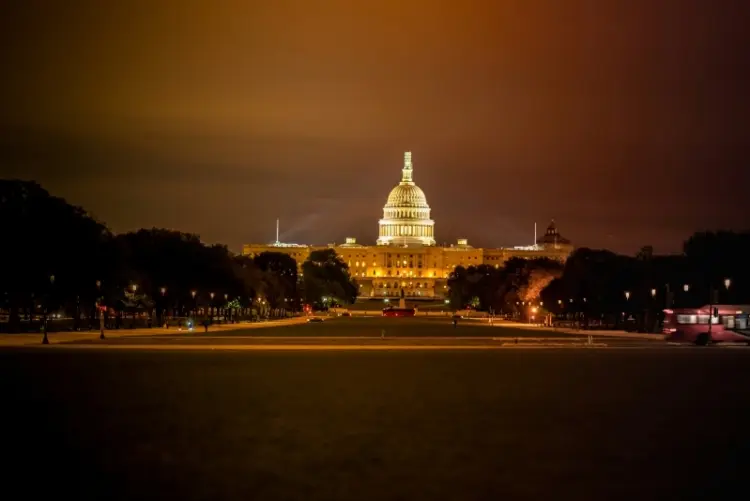
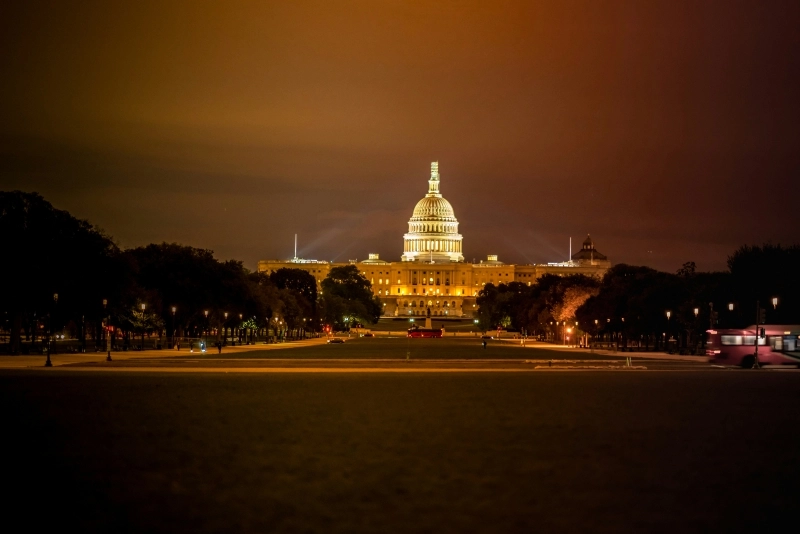
Washington, D.C. reported the most pronounced decreases in ADR (-46.6% to US$152.98) and RevPAR (-53.9% to US$78.55)
Comprehensive Summarization:
The article provides a detailed analysis of the U.S. hotel industry’s performance, highlighting a slight decline in overall occupancy and revenue year-over-year. However, it notes that select markets, particularly Miami and Minneapolis, experienced gains driven by major events. Washington, D.C., stands out as a notable outlier, reporting the most pronounced decreases in Average Daily Rate (ADR) and Revenue Per Available Room (RevPAR), largely attributed to tough comparisons with last year’s inauguration. The article underscores the impact of major events on specific markets and the overall resilience of the industry amidst challenging conditions.
Key Points:
Actionable Takeaways:
Market Segmentation and Event Leveraging: Hotels in markets like Miami and Minneapolis should capitalize on major events to boost occupancy and revenue. This involves strategic marketing and partnerships with event organizers to attract guests during peak event periods.
Performance Benchmarking: Hotels in regions like Washington, D.C., should conduct a thorough analysis of their performance relative to previous years, especially around significant events. Understanding the factors contributing to declines can help in devising targeted strategies to improve ADR and RevPAR.
Adaptation to Market Conditions: The article highlights the importance of adapting to market conditions. Hotels should remain agile, leveraging data analytics to monitor performance trends and adjust pricing, promotions, and offerings accordingly to remain competitive.
Contextual Insights:
The decline in U.S. hotel occupancy and revenue, despite gains in select markets, underscores the industry’s sensitivity to major events and broader economic conditions. The performance of Washington, D.C., serves as a cautionary tale about the impact of external events on hotel revenue, particularly when comparisons are made to high-profile years like the inauguration. This context highlights the need for hotels to not only react to immediate market conditions but also to anticipate and prepare for the effects of significant events. Furthermore, the article’s focus on leveraging major events as a growth driver aligns with current industry trends emphasizing the importance of experiential travel and event-driven tourism. As the travel industry continues to evolve, the ability to adapt to and capitalize on such events will be crucial for sustained growth and profitability.
Read the Complete Article.
Boutique Travel VC raises investment cap from $1.5M to $10M to lead rounds and support portfolio companies through growth Travel...
Read moreDetails




