
















Travel Capitalist Ventures Expands Check Size to $10 Million to Deepen Emerging Market Conviction
Boutique Travel VC raises investment cap from $1.5M to $10M to lead rounds and support portfolio companies through growth Travel...
Read moreDetails

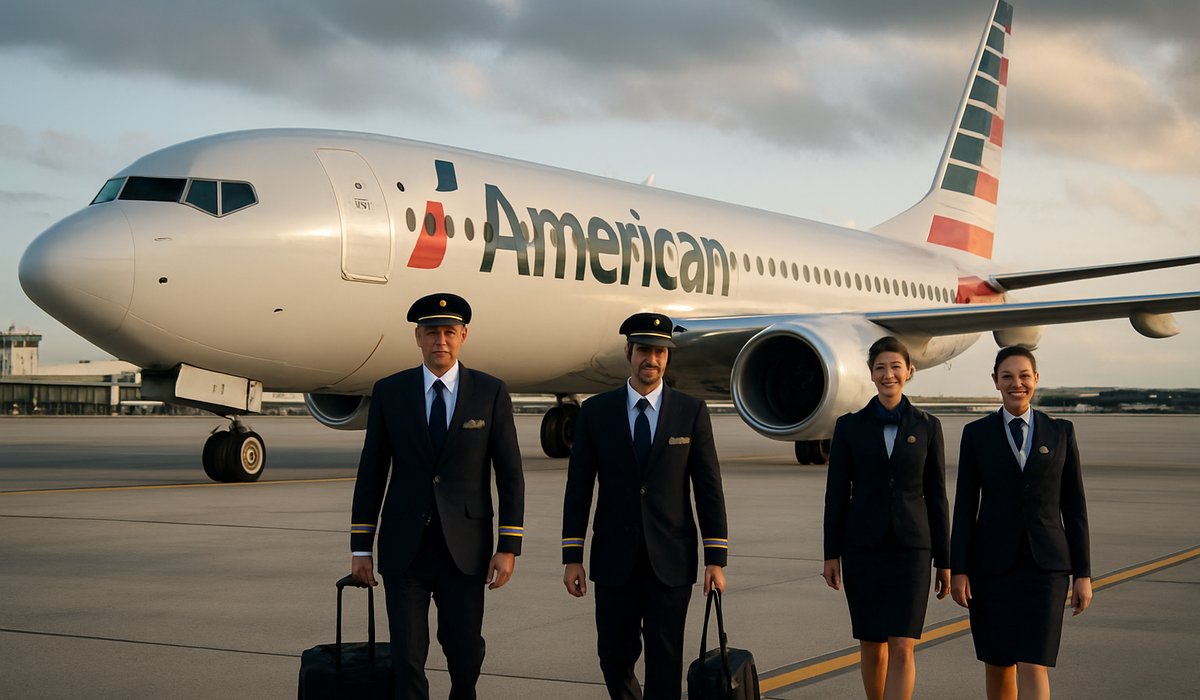
International Air Arrivals to U.S. Decline, Outbound Travel Rises in 2025 Q3
Comprehensive Summarization:
The article from the Survey of International Air Travelers (SIAT) conducted by the NTTO reveals a decline in international air arrivals to the U.S. in Q3 2025, while outbound travel is on the rise. The survey collects data on trip planning, travel patterns, demographics, and spending for non-U.S. residents arriving in the U.S., Canada, and Mexico. This trend indicates a shift in travel behavior, with more outbound trips possibly driven by various factors such as economic conditions, personal preferences, or changes in international travel policies.
Key Points:
Actionable Takeaways:
Shift in Travel Patterns: The decline in international arrivals coupled with a rise in outbound travel suggests a notable shift in travel patterns. Travelers may be prioritizing domestic or regional trips over international ones, possibly due to economic factors, health concerns, or changing travel policies. Relevance: Understanding this shift can help travel companies and service providers tailor their offerings to meet the evolving needs of travelers, focusing on domestic and regional travel opportunities.
Focus on Outbound Travel: The rise in outbound travel presents a significant opportunity for airlines, travel agencies, and hospitality services catering to international destinations. Relevance: Businesses can capitalize on this trend by enhancing outbound travel services, marketing campaigns, and partnerships to attract more travelers. This could include improved flight offerings, competitive pricing, and enhanced customer experiences to encourage outbound travel.
Contextual Insights:
The decline in international air arrivals while outbound travel increases highlights a dynamic shift in travel behavior, influenced by various factors such as economic conditions, health concerns, and evolving travel policies. This trend aligns with broader industry insights that emphasize the importance of flexibility and adaptability in travel planning. Experts predict that as the world gradually recovers from the impacts of the pandemic, there will be a continued emphasis on balancing safety with the desire for travel. Relevance: For stakeholders in the travel industry, this context underscores the need for agile strategies that can adapt to fluctuating travel patterns. Innovations in travel technology, such as digital check-ins, contactless services, and enhanced health protocols, will be crucial in regaining traveler confidence and driving demand. Additionally, the rise in outbound travel suggests a potential rebound in international tourism, which could stimulate growth in related sectors such as fintech, offering new opportunities for travel-related financial services.
Handling Different Article Types:
The article provided is a news brief, offering factual data on international air travel trends. The analysis and insights generated are tailored to this format, focusing on factual accuracy, actionable information, and contextual understanding within the travel industry. No opinion pieces or feature articles were present in the content, so the structured output adheres strictly to the factual data provided.
Read the Complete Article.
Boutique Travel VC raises investment cap from $1.5M to $10M to lead rounds and support portfolio companies through growth Travel...
Read moreDetails



Comprehensive Summarization: The World Travel & Tourism Council (WTTC) has announced the addition of Allianz Partners as its newest industry...
Read moreDetails
