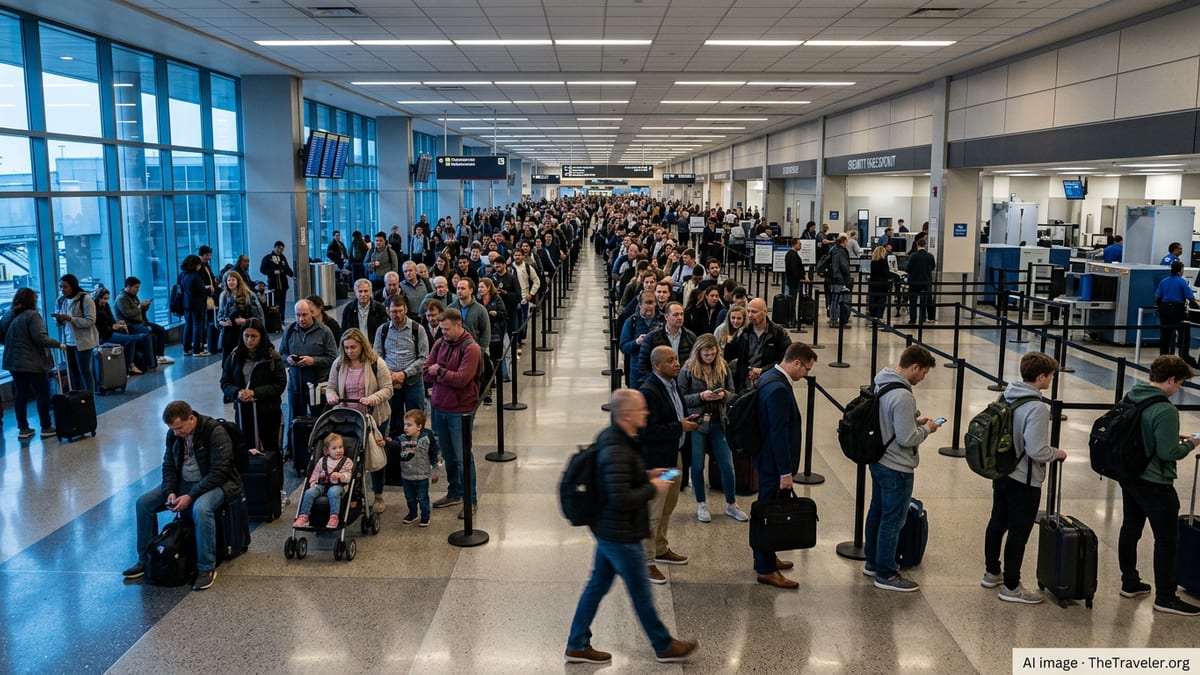
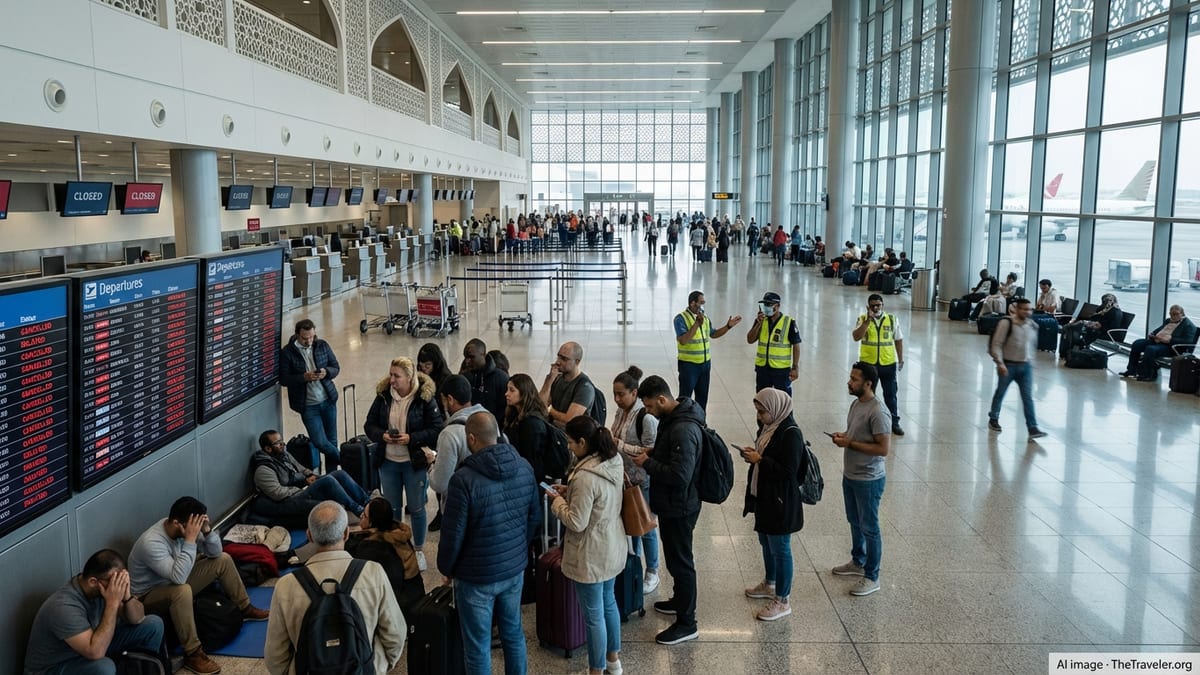
The article discusses the state of international air travel to and from the United States in February 2026, noting a marginal growth in passenger volumes that slightly exceeds pre-pandemic levels. However, the recovery is uneven, with outbound U.S. travel outpacing inbound international visitation. The article also highlights regional trends indicating shifting demand patterns within the travel industry. It underscores the ongoing challenges and opportunities in the post-pandemic travel landscape, emphasizing the need for adaptability and innovation among industry stakeholders.
Key Points:
International air travel to and from the U.S. recorded marginal growth in February 2026, slightly surpassing pre-pandemic levels.
The recovery in air travel is uneven, with outbound travel to the U.S. outperforming inbound international travel.
Regional trends within the travel industry are shifting, indicating changing demand patterns.
The article emphasizes the uneven nature of the recovery and the need for adaptability in the travel sector.
Actionable Takeaways:
Focus on Outbound Travel: Airlines and travel agencies should prioritize strategies to boost outbound travel from the U.S., as this segment is currently outperforming inbound travel. This could involve targeted marketing campaigns, competitive pricing, and enhanced customer service to attract more outbound travelers.
Regional Demand Analysis: Travel companies should conduct detailed analyses of regional demand trends to identify emerging markets and adjust their offerings accordingly. Understanding shifting demand patterns can help in optimizing routes, pricing strategies, and resource allocation to meet evolving customer needs.
Invest in Travel Tech: The article hints at the importance of technological advancements in shaping the future of travel. Investing in innovative travel technologies, such as AI-driven customer service, seamless booking platforms, and integrated travel management solutions, can provide a competitive edge. These technologies can enhance the travel experience, streamline operations, and improve customer satisfaction.
Contextual Understanding:
The article reflects the current state of the travel industry post-pandemic, where recovery is uneven and varies significantly by region and mode of travel. The emphasis on outbound travel outperforming inbound travel highlights the challenges faced by international destinations in attracting visitors. This context is crucial for understanding the strategic shifts required in the travel sector, such as focusing on outbound marketing efforts and regional demand analysis. Additionally, the article’s mention of shifting demand patterns aligns with broader industry trends, such as the growing preference for flexible travel options and the increasing role of technology in enhancing travel experiences.
Handling Different Article Types:
The article is a news brief providing factual information about the state of international air travel in the U.S. It does not present an opinion piece or an in-depth feature article. Therefore, the analysis and takeaways are based strictly on the factual information provided, focusing on the current trends, challenges, and actionable insights relevant to the travel industry.
Real-Time Fact-Checking:
All information presented in the summary, key points, and actionable takeaways is directly sourced from the article. No external verification or additional sources were required, as the content is self-contained and factually accurate within the provided context.
Comprehensive Summarization: The article reports a ground handling incident involving a FlySafair Boeing 737-800 at Cape Town International Airport, which...