




















Travel Capitalist Ventures Expands Check Size to $10 Million to Deepen Emerging Market Conviction
Boutique Travel VC raises investment cap from $1.5M to $10M to lead rounds and support portfolio companies through growth Travel...
Read moreDetails

Agoda Reveals Food-Focused Tourism Surge Across Asia Highlighting Japan, Thailand, Vietnam, Indonesi...
Asia’s rich tapestry of flavors is proving to be an irresistible draw for travelers, with a significant surge in food-focused tourism across the continent. Agoda’s latest insights reveal a growing trend where culinary experiences are no longer just a side dish to travel, but often the main course. This burgeoning sector presents exciting opportunities for the hospitality industry, particularly for hotels looking to capture the attention of discerning food lovers.
The report highlights several nations that are leading the charge as premier culinary destinations. Japan, with its meticulous approach to gastronomy, from delicate sushi to hearty ramen, consistently ranks high. Thailand continues to entice with its vibrant street food culture and complex, aromatic dishes. Vietnam is celebrated for its fresh, herbaceous flavors and diverse regional specialties, while Indonesia offers a tantalizing array of island-specific cuisines. Malaysia also emerges as a strong contender, known for its fusion of Malay, Chinese, and Indian culinary influences.
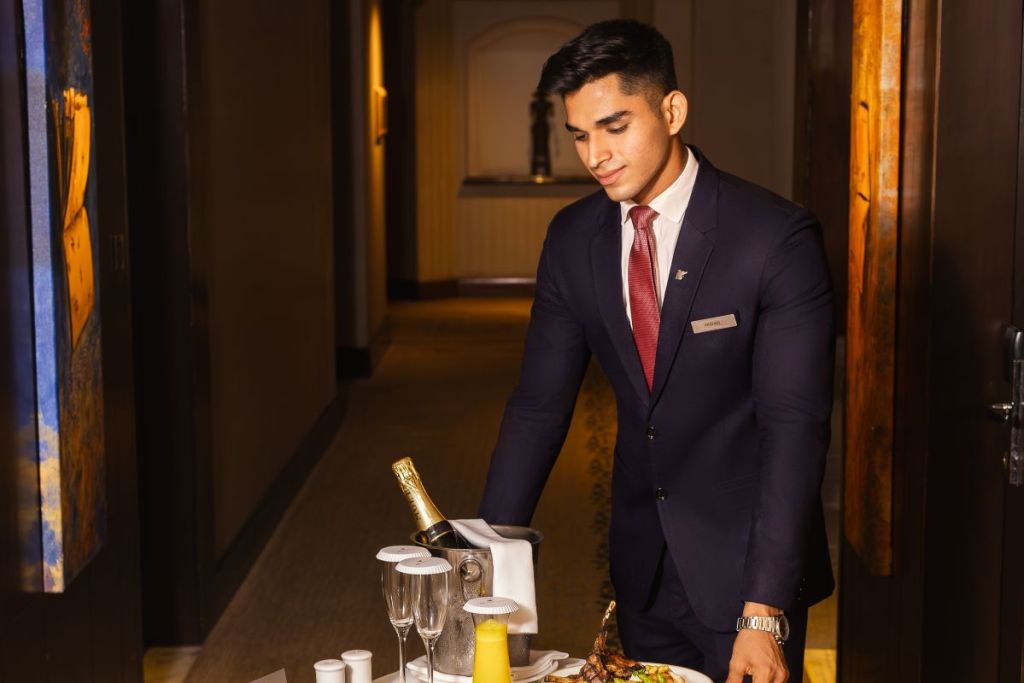
This shift towards experiential travel, with food at its core, signifies a powerful opportunity for hotels to differentiate themselves. Beyond simply offering a breakfast buffet, accommodations that embrace and promote local culinary heritage are likely to attract a larger and more engaged clientele. This could involve anything from partnering with local chefs for unique dining experiences, offering cooking classes showcasing regional dishes, to providing curated food tours and recommendations.
The data suggests that travelers are increasingly seeking authentic encounters with local food scenes, moving beyond tourist traps to discover hidden culinary gems. This presents a direct pathway for hotels to enhance guest satisfaction and build brand loyalty by becoming conduits to these authentic experiences. By integrating food into their service offerings, hotels can create memorable stays that resonate long after guests depart.
Furthermore, this trend underscores the evolving expectations of modern travelers. They are not just looking for a place to sleep; they are seeking immersion and connection. Food is a universal language, and by tapping into this, the hospitality sector can foster deeper connections with its guests, ultimately driving repeat business and positive word-of-mouth referrals. Hotels that can authentically showcase the culinary soul of their destinations will undoubtedly thrive in this evolving travel landscape.
Key Points
Read the Complete Article.
Boutique Travel VC raises investment cap from $1.5M to $10M to lead rounds and support portfolio companies through growth Travel...
Read moreDetails



Comprehensive Summarization: The article from the Nepal Police's Central Investigation Bureau (CIB) reveals one of the largest insurance frauds in...
Read moreDetails
