



No products in the cart.
- Latest
- Trending

Kidney damage doesn’t always hurt—These 5 silent signs might be your clue
Article Summary:
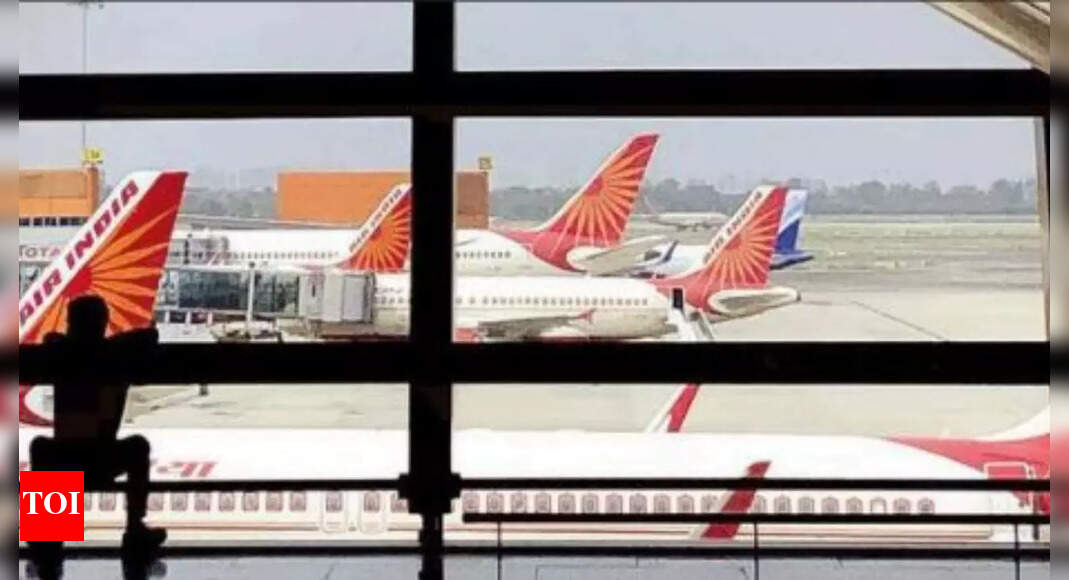
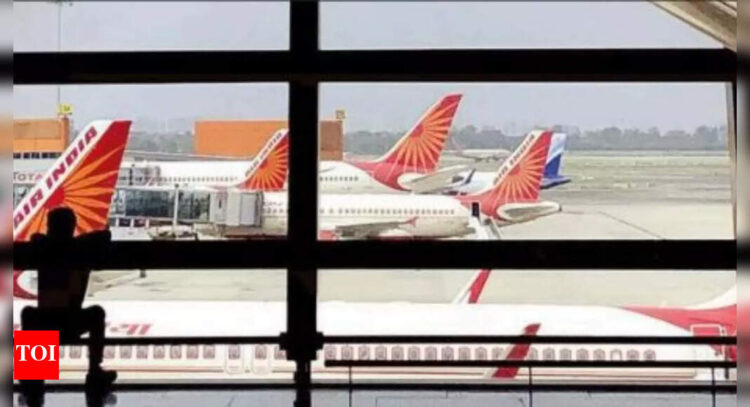
The article discusses a significant shift in travel demand following the crash of Air India’s Boeing 787 aircraft, specifically the AI 171 flight. This incident has led to a decrease in demand for Air India’s B787s, resulting in cheaper one-stop flights compared to non-stop options on competing airlines. Financial consultant Priya Singh’s experience exemplifies this trend, as she found significantly lower fares for a Delhi-Amsterdam route on Air India compared to KLM’s direct flight. The article also highlights the broader implications for travel tech, emphasizing the impact of aircraft incidents on airline pricing strategies and consumer behavior.
Key Points:
Actionable Takeaways:
Contextual Insights:
The recent crash of Air India’s Boeing 787 aircraft has had a notable impact on travel demand and pricing strategies within the industry. This event highlights the vulnerability of airlines to single-incident disruptions and the importance of maintaining a robust fleet and safety record. The trend towards cheaper one-stop flights as a response to reduced demand for B787s suggests a broader shift in consumer behavior, favoring airlines perceived as safer and more reliable. For travel startups and fintech innovators, this presents an opportunity to develop solutions that enhance transparency, safety, and consumer choice in the travel booking process. By leveraging data analytics and AI, these innovations can help travelers make informed decisions, ultimately driving demand for safer and more reliable travel options.
Read the Complete Article.
Get curated travel AI insights — choose the newsletters that matter to you.
ALTOUR Expands into Thailand, Strengthening Corporate Travel Network Across Southeast Asia BANGKOK, THAILAND (25 March, 2026) – ALTOUR, a leading...
Read moreDetails


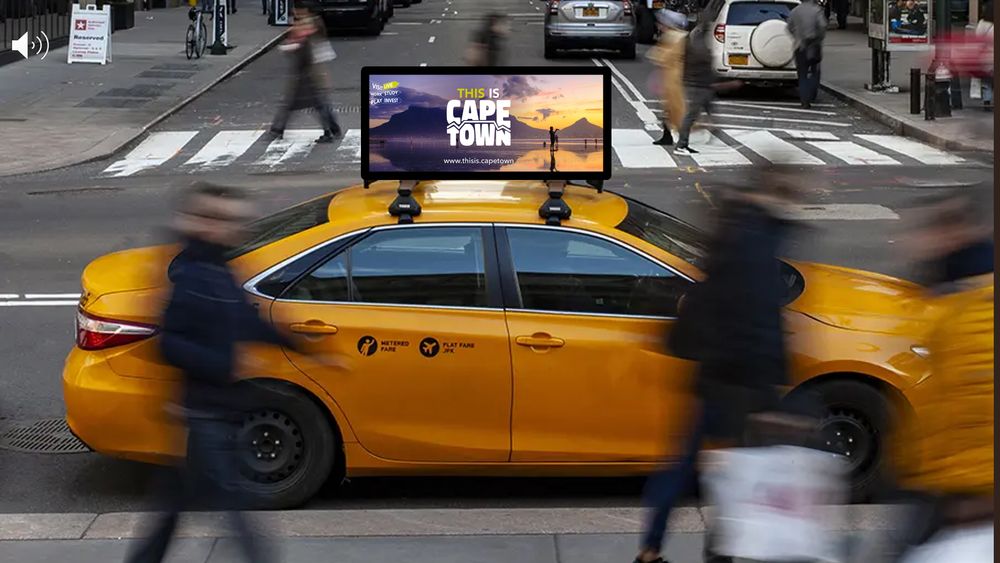
Comprehensive Summarization: The City of Cape Town has expanded its "This Is Cape Town" tourism campaign to major international cities,...
Read moreDetails