


No products in the cart.
- Latest
- Trending

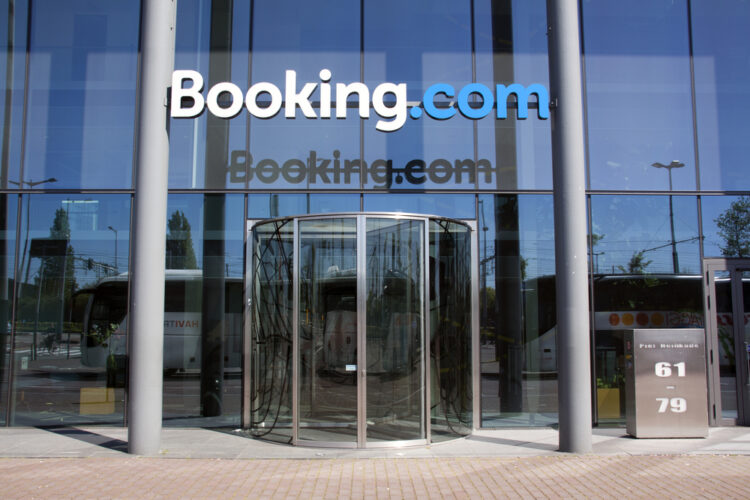
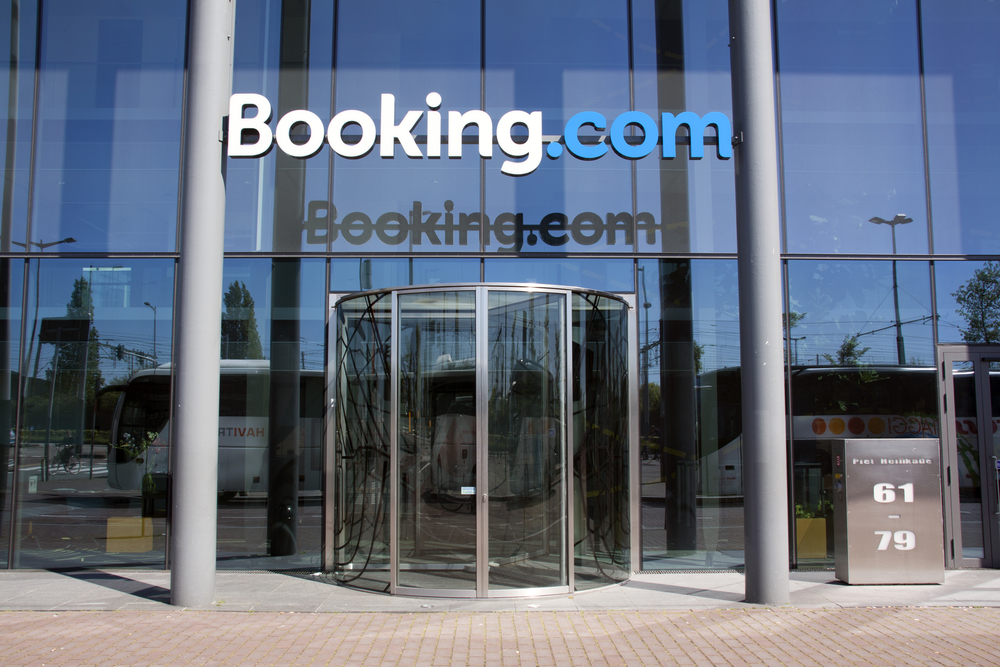
Booking's headquarters in Amsterdam. Photo: Depositphotos.com
Article Summary:
The article discusses the annual list compiled by the European and Palestinian NGO collective Don’t Buy into Occupation (DBIO), which includes Dutch company Booking.com and British agricultural vehicle and truck maker CNH Industrial. Both companies are listed for their support of the Israeli-occupied West Bank. Booking.com has been offering accommodation in several illegal settlements, often without disclosing the location as being in an illegally occupied territory. CNH Industrial’s equipment is used in the construction of illegal settlements and the destruction of Palestinian homes. The list, which has been published since 2021, aims to highlight companies and financial organizations that continue to support the illegal occupation.
Key Points:
Actionable Takeaways:
Contextual Insights:
The article reflects current trends in corporate accountability and ethical business practices, particularly in sectors that operate in politically sensitive regions. The use of technology and equipment in illegal activities underscores the need for stricter regulations and oversight in the travel and manufacturing industries. Forward-looking insights suggest that companies must prioritize ethical considerations and transparency to maintain trust and avoid reputational damage. The ongoing scrutiny of companies involved in illegal activities also highlights the importance of consumer awareness and the role of NGOs in advocating for ethical business practices.
Read the Complete Article.
Get curated travel AI insights — choose the newsletters that matter to you.
ALTOUR Expands into Thailand, Strengthening Corporate Travel Network Across Southeast Asia BANGKOK, THAILAND (25 March, 2026) – ALTOUR, a leading...
Read moreDetails


Comprehensive Summarization: The article discusses Croatia's anticipation of an unpredictable tourism season in 2026, influenced by global conflicts and evolving...
Read moreDetails