






No products in the cart.
- Latest
- Trending

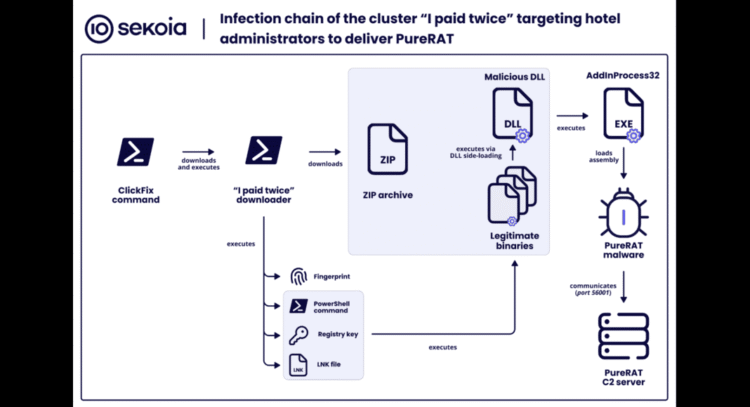
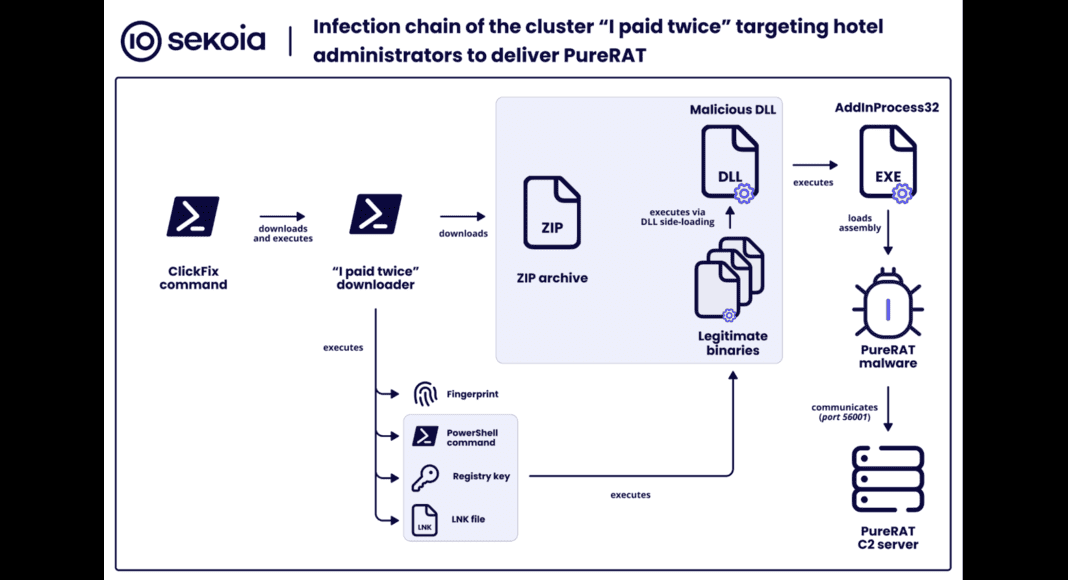
Infection Chain
Article Summary:
The article reports on a sophisticated phishing campaign targeting hospitality industry customers worldwide, orchestrated by cybercriminals who compromised Booking.com hotel accounts. The attackers leverage stolen customer data to conduct banking fraud schemes, using multi-stage attack methodologies that begin with malicious emails impersonating Booking.com communications. These emails contain URLs leading to a complex infrastructure, aiming to deceive recipients into divulging sensitive information. The campaign has been active since at least April 2025, highlighting the evolving threats in the digital landscape of the travel industry.
Key Points:
Actionable Takeaways:
Enhanced Email Security Protocols: Travel companies should implement and regularly update robust email security protocols to detect and prevent phishing attempts. This includes using advanced email filtering tools and educating staff on identifying suspicious emails.
Regular Data Audits and Monitoring: Conduct regular audits of customer data and implement real-time monitoring systems to quickly identify any unauthorized access or suspicious activities. This proactive approach can help in early detection and mitigation of potential fraud.
Contextual Insights:
The article underscores the growing sophistication of cyber threats targeting the hospitality industry, particularly through digital platforms like Booking.com. This trend is reflective of the broader digital transformation in the travel sector, where increased online transactions and data exchanges create new vulnerabilities. The emergence of such phishing campaigns highlights the need for continuous innovation in cybersecurity measures to protect both customer data and financial transactions. As the travel industry continues to evolve, integrating advanced cybersecurity solutions and fostering a culture of security awareness among employees will be essential in mitigating these risks. Additionally, the campaign’s timing in April 2025 suggests that cybercriminals are increasingly targeting industries during periods of heightened digital activity, emphasizing the importance of vigilance and preparedness in the face of evolving threats.
Read the Complete Article.
Get curated travel AI insights — choose the newsletters that matter to you.
ALTOUR Expands into Thailand, Strengthening Corporate Travel Network Across Southeast Asia BANGKOK, THAILAND (25 March, 2026) – ALTOUR, a leading...
Read moreDetails


EaseMyTrip & MSTC Ltd. Partner for Gov't Travel Ecosystem
Read moreDetails