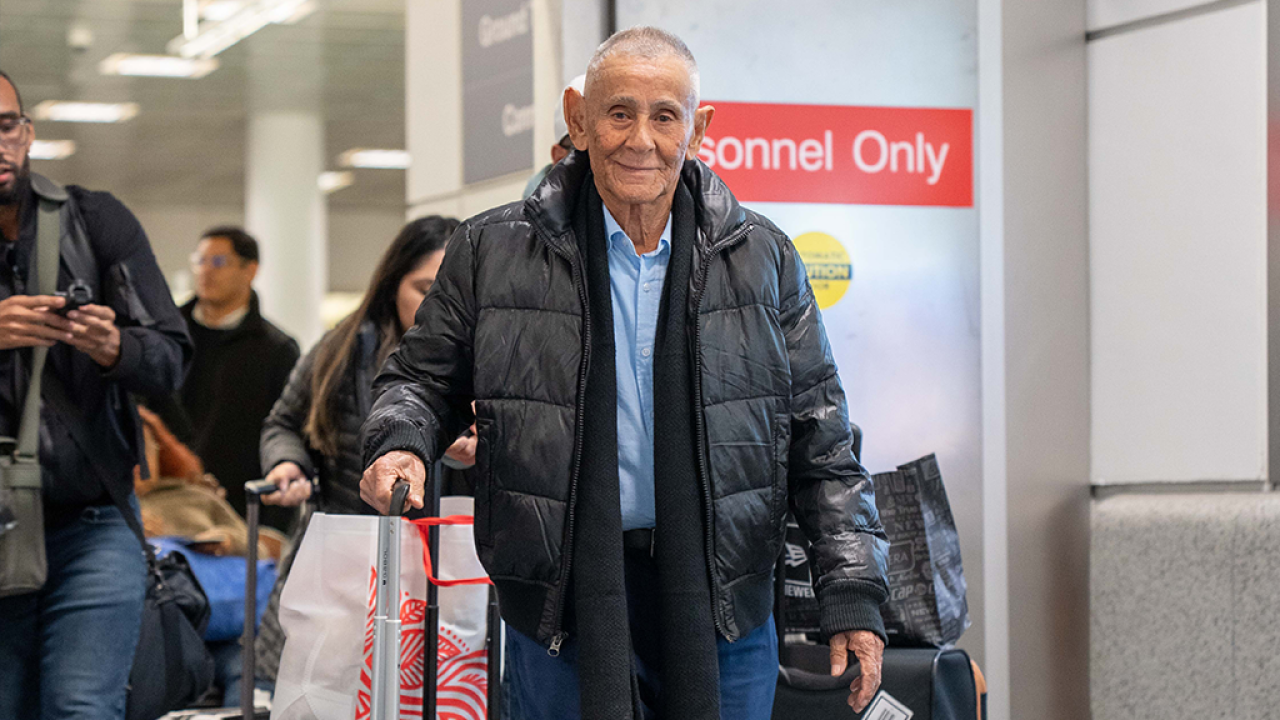


![Korean Air and Emirates planes are seen at Incheon International Airport on March 16. [YONHAP]](https://images.traveltrade.today/wp-content/uploads/2026/03/Passengers-Rush-to-Book-Flights-Before-April-Fuel-Surcharge-Hikes.jpg)



No products in the cart.
- Latest
- Trending


Someone purporting to be from Booking.com contacted Tina Nixon after she requested a refund from the platform. (Reuters: Dado Ruvic)
Booking.com Scam Targets Travellers with Fake Websites
A widespread scam is targeting travellers who use booking websites like Booking.com, with fraudsters creating fake websites that mimic legitimate travel platforms. These fraudulent sites are designed to appear identical to well-known booking engines, leading unsuspecting consumers to unknowingly provide their personal and financial details.
The scam typically involves victims attempting to book accommodation or flights. They then encounter these deceptive websites, often through online searches or direct links. Once on the fake site, they proceed with what they believe is a standard booking process.
However, instead of securing travel arrangements, individuals are tricked into paying for services that do not exist. The criminals behind these operations then abscond with the money and sensitive information shared by the victims. The implications for travellers include financial loss and the potential for identity theft.
How the Scam Operates
Scammers are reportedly using sophisticated methods to create convincing replicas of popular travel booking platforms. These fake websites often feature similar branding, layouts, and even customer service chat functions to build trust with users.
When a user attempts to make a booking, they are prompted to enter payment information. This information is then intercepted by the fraudsters. In some instances, victims have also reported being asked for personal identification details.
The lack of genuine booking confirmation and the subsequent failure to receive any travel itinerary or service are often the first indicators that something is wrong. By the time victims realize they have been defrauded, the scammers have usually disappeared, making recovery of funds difficult.
Consumer Advice and Prevention
Travellers are being urged to exercise extreme caution when booking accommodation and flights online. It is crucial to verify the authenticity of booking websites before entering any personal or financial information.
Users should look for secure website indicators, such as "https" in the URL and a padlock icon in the browser’s address bar. Comparing the website’s appearance and functionality to the known, legitimate booking site can also help identify discrepancies.
Additionally, using direct links from official emails or apps, and being wary of unsolicited offers or significantly lower prices, can help avoid falling victim to these scams. Reporting suspicious websites to consumer protection agencies and the booking platform itself is also recommended.
Key Points.
Read the Complete Article.
Get curated travel AI insights — choose the newsletters that matter to you.
ALTOUR Expands into Thailand, Strengthening Corporate Travel Network Across Southeast Asia BANGKOK, THAILAND (25 March, 2026) – ALTOUR, a leading...
Read moreDetails


Comprehensive Summarization: Kochi, a coastal city in India, is experiencing a surge in global travel interest, ranking among the top...
Read moreDetails