








No products in the cart.
- Latest
- Trending


Inside Booking.com’s ultra-low latency feature platform with Amazon ElastiCache
Article Summary:
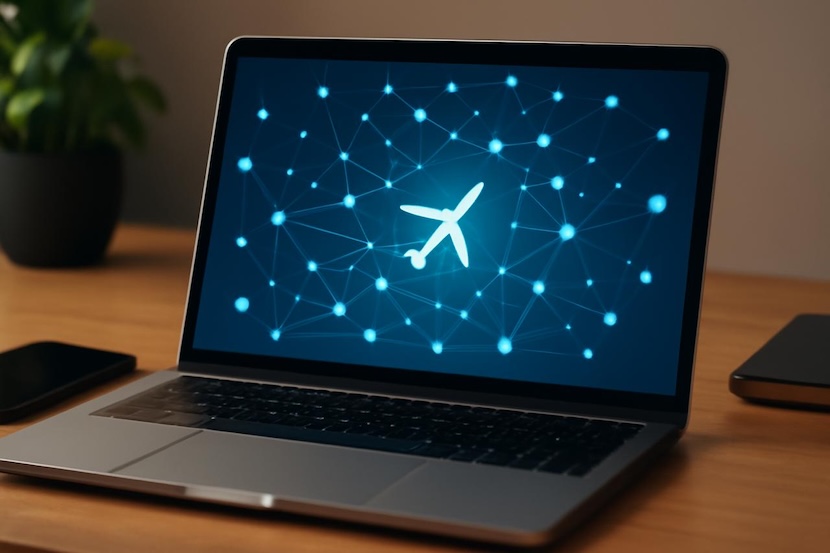
The article presents a guest post by Klaus Schaefers and Basak Eskili, detailing how Booking.com, a global leader in the online travel industry, developed an ultra-low latency feature platform. This platform is designed to serve machine learning (ML) features with a p99.9 latency below 25 milliseconds, capable of handling 200,000 requests per second. The primary goal is to improve the travel experience by reducing search result latency, which is crucial for user satisfaction and conversion rates. The development of this platform underscores Booking.com’s commitment to leveraging technology to enhance operational efficiency and user experience in the competitive travel market.
Key Points:
Actionable Takeaways:
Contextual Insights:
The article reflects the ongoing emphasis in the travel industry on leveraging technology to enhance user experience and operational efficiency. The development of an ultra-low latency feature platform by Booking.com highlights the industry’s focus on reducing latency to improve search result delivery times, which is critical for user satisfaction and conversion rates. The use of machine learning for real-time predictions underscores the trend towards integrating advanced analytics and AI capabilities into travel platforms to provide personalized and efficient services. Collaborating with cloud service providers like AWS further emphasizes the industry’s reliance on scalable and robust infrastructure to support high-performance applications. These insights are particularly relevant for travel startups and fintech innovations, as they highlight the importance of technological advancements in achieving competitive advantage and meeting evolving customer expectations.
Read the Complete Article.
Get curated travel AI insights — choose the newsletters that matter to you.
This spot is reserved for brands with a compelling story for the travel trade. They use this space to cut...
Read moreDetailsALTOUR Expands into Thailand, Strengthening Corporate Travel Network Across Southeast Asia BANGKOK, THAILAND (25 March, 2026) – ALTOUR, a leading...
Read moreDetails


Comprehensive Summarization: The article reports on the United Arab Emirates (UAE) activating its air-defence network in response to a new...
Read moreDetails