





















Travel Capitalist Ventures Expands Check Size to $10 Million to Deepen Emerging Market Conviction
Boutique Travel VC raises investment cap from $1.5M to $10M to lead rounds and support portfolio companies through growth Travel...
Read moreDetails
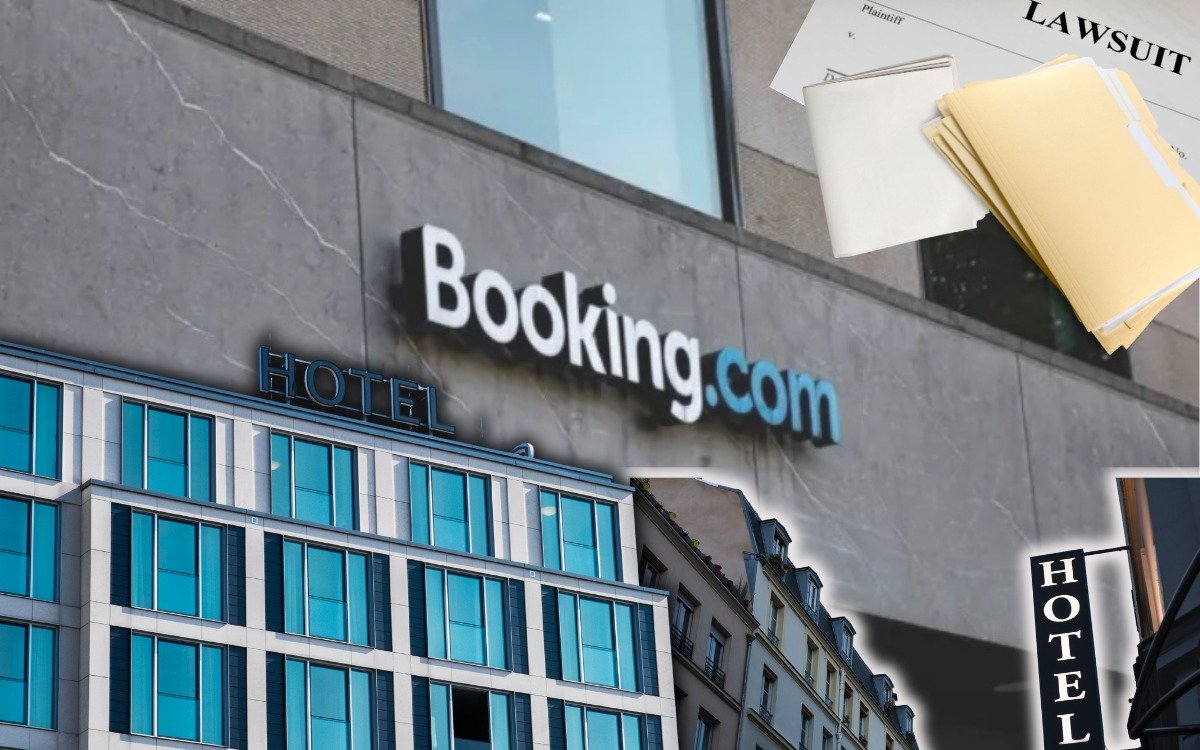
Over 10,000 European hotels sue Booking.com over unfair pricing practices
A seismic shift is occurring in the European travel landscape as over 10,000 hotels across 27 countries have joined forces to launch a significant antitrust lawsuit against Booking.com. This coordinated legal action targets the online travel agency’s (OTA) alleged monopolistic pricing practices, potentially reshaping how hotels operate and consumers book accommodations throughout the continent.
At the heart of the dispute are Booking.com’s "most favored nation" clauses, often referred to as parity clauses. These clauses, critics argue, prevent hotels from offering better prices or conditions on their own direct booking channels or through other distribution platforms. This effectively locks hotels into maintaining the same, often higher, prices on Booking.com, limiting their ability to attract customers directly and potentially increasing their operational costs due to high commission rates.
The lawsuit, spearheaded by the European Hotels Alliance, a collective representing numerous national hotel associations, asserts that these practices stifle competition and harm both the hotel industry and ultimately, consumers. By dictating pricing, Booking.com is accused of exploiting its dominant market position, forcing hotels to rely heavily on its platform for bookings, and discouraging innovation in customer acquisition strategies.
This legal challenge is not merely about individual hotels; it signifies a united front from a substantial portion of Europe’s hospitality sector. The sheer number of participants underscores the widespread dissatisfaction and the perceived economic pressure exerted by Booking.com’s business model. Hotels argue that these clauses lead to inflated room rates for travelers who might otherwise find more competitive offers by booking directly with the hotel.
The implications of this lawsuit are far-reaching. If successful, it could lead to significant changes in Booking.com’s operational policies, potentially forcing them to abandon parity clauses and allowing hotels greater freedom in setting their own prices and promotional strategies. This could foster a more competitive online travel market, benefiting hotels with increased direct bookings and potentially lower overall accommodation costs for consumers.
This legal battle also highlights a growing trend of industries pushing back against powerful digital platforms that dominate their respective markets. The European Hotels Alliance’s action serves as a powerful precedent, demonstrating the potential for collective action to challenge alleged unfair business practices in the digital economy. The outcome will be closely watched not only by the travel industry but also by other sectors grappling with the influence of dominant online intermediaries.
Key Points
Read the Complete Article.
Boutique Travel VC raises investment cap from $1.5M to $10M to lead rounds and support portfolio companies through growth Travel...
Read moreDetails




