









No products in the cart.
- Latest
- Trending


Russian Hackers Create 4,300 Fake Travel Sites to Steal Hotel Guests' Payment Data
Article Summary:
The article reports on a significant phishing campaign targeting the hospitality industry, particularly hotel guests who make travel reservations. Russian-speaking threat actors have registered over 4,300 domain names since the start of 2025, with a focus on popular booking platforms like Booking.com, Expedia, Agoda, and Airbnb. The campaign, which began around February 2025, utilizes a sophisticated phishing kit that customizes web pages based on unique URL strings, mimicking major travel industry logos to deceive users. The goal is to trick hotel guests into providing sensitive information through fraudulent emails.
Key Points:
Actionable Takeaways:
Contextual Insights:
The ongoing phishing campaign against the hospitality industry underscores the increasing sophistication of cyber threats targeting travel services. As online booking platforms become more integral to the travel experience, the risk of phishing attacks also rises. This trend highlights the need for continuous innovation in cybersecurity measures within the travel sector. Moreover, the use of logos from major platforms like Airbnb and Booking.com in phishing emails demonstrates a strategic effort by attackers to exploit trust and familiarity, making it imperative for both service providers and consumers to stay vigilant. The article aligns with current industry trends emphasizing the importance of cybersecurity in maintaining customer trust and ensuring the integrity of online transactions.
Read the Complete Article.
Get curated travel AI insights — choose the newsletters that matter to you.
ALTOUR Expands into Thailand, Strengthening Corporate Travel Network Across Southeast Asia BANGKOK, THAILAND (25 March, 2026) – ALTOUR, a leading...
Read moreDetails


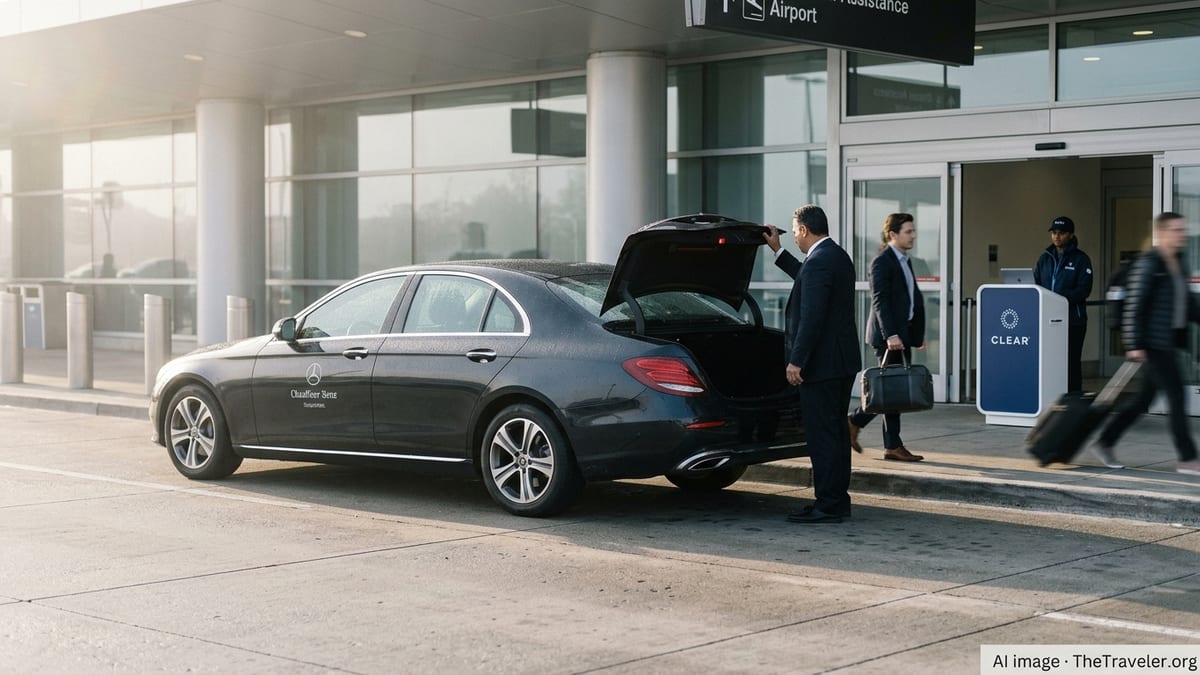
Comprehensive Summarization: Clear technology company and global chauffeur specialist Blacklane have partnered to introduce a premium "home-to-gate" airport service. This...
Read moreDetails