






















Travel Capitalist Ventures Expands Check Size to $10 Million to Deepen Emerging Market Conviction
Boutique Travel VC raises investment cap from $1.5M to $10M to lead rounds and support portfolio companies through growth Travel...
Read moreDetails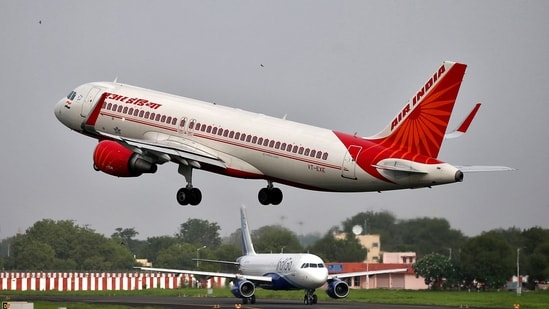


Ryanair is involved in a legal row. Photo: Getty
A high-profile legal dispute between Irish airline Ryanair and online travel giant Booking.com is sending ripples through the tech and journalism sectors, highlighting the complexities of digital commerce and the evolving landscape of online advertising. The core of the issue lies in Ryanair’s accusation that Booking.com, a subsidiary of Booking Holdings, is engaged in misleading advertising and unfair competition.
At the heart of Ryanair’s complaint is the practice of "hotel cloning" and "dynamic packaging." Ryanair alleges that Booking.com uses sophisticated algorithms to display dynamically packaged deals that combine flights and hotels. These packages, while appearing to offer a seamless travel experience, are accused of being misleading because they allegedly make it difficult for consumers to distinguish between the individual components of the booking and can lead to customers being charged significantly more than if they booked directly with the airline or hotel. Ryanair claims this practice infringes on their brand and distorts the market by creating an artificial advantage for Booking.com.
The lawsuit, filed in the US, has drawn considerable attention from technology providers and journalists alike. Tech companies are keenly watching the outcome, as it could set precedents for how online travel agencies (OTAs) operate and advertise their services. The fear is that a ruling against Booking.com could lead to increased regulation or stricter oversight of dynamic packaging and algorithmic pricing in the travel sector. This could impact the ability of OTAs to offer competitive bundled deals, potentially leading to higher prices for consumers or forcing a significant overhaul of their business models.
Journalists are also concerned about the implications for media reporting on the travel industry. Ryanair’s accusations of misleading advertising touch upon issues of transparency and consumer protection, which are vital topics for investigative journalism. The case raises questions about the editorial independence of news outlets that may rely on advertising revenue from OTAs. If the lawsuit leads to a significant shift in how OTAs operate or advertise, it could affect the financial viability of travel-focused publications and the ability of journalists to report critically on the sector.
Furthermore, the dispute underscores the ongoing tension between airlines and OTAs. While OTAs provide a valuable distribution channel for airlines and hotels, they also compete directly by offering their own packaged deals. Ryanair, in particular, has a history of favouring direct bookings, aiming to control the customer experience and avoid commission fees paid to third-party platforms. This legal challenge can be seen as part of a broader strategy to assert greater control over their distribution and customer relationships. The outcome of this legal battle is likely to have lasting implications for how online travel bookings are made and advertised globally.
Read the Complete Article.
Boutique Travel VC raises investment cap from $1.5M to $10M to lead rounds and support portfolio companies through growth Travel...
Read moreDetails




