Comprehensive Summarization:
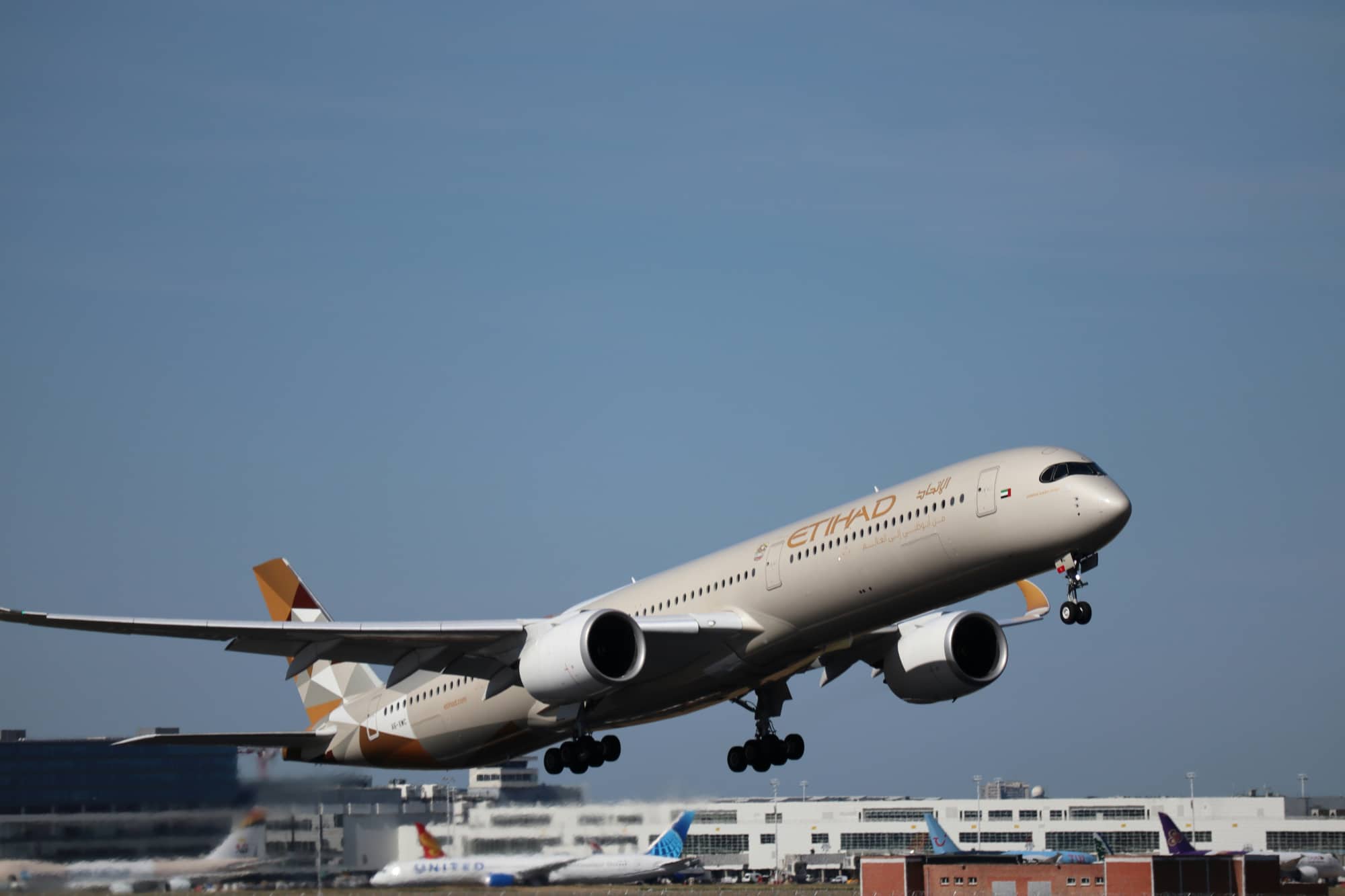
The article discusses the impact of the 2026 regional airspace crisis on Etihad Airways, a major airline based at Zayed International Airport (AUH) in Abu Dhabi. As of 6 March 2026, Etihad is operating a limited commercial schedule from Abu Dhabi due to the UAE’s General Civil Aviation Authority’s temporary partial closure of UAE airspace as a precautionary measure amid escalating regional security developments. Passengers with disrupted bookings can request a full refund or rebook free of charge under Etihad’s current policy. The guide focuses on officially confirmed information and realistic expectations for stranded travelers in Abu Dhabi.
Key Points:
- The UAE’s General Civil Aviation Authority announced a temporary partial closure of UAE airspace on February 28, 2026, as a precautionary measure due to rapidly escalating regional security developments.
- Etihad Airways, based at Zayed International Airport (AUH) in Abu Dhabi, experienced significant disruption to its network, with operations partially resuming on 2 March 2026.
- Eligible disrupted passengers can request a full refund or rebook free of charge under Etihad’s current policy.
- The article provides official updates from Etihad Airways and guidance for stranded travelers in Abu Dhabi.
Actionable Takeaways:
- Refund or Rebooking Option: Passengers with disrupted Etihad Airways bookings can request a full refund or rebook their flights free of charge. This policy provides a practical solution for travelers affected by the airspace crisis, reducing financial burden and offering flexibility in travel plans.
- Monitor Official Updates: Given the evolving situation, travelers should regularly check Etihad Airways’ official updates for the latest information on flight schedules and any further changes to the airline’s operations. Staying informed can help manage expectations and facilitate smoother travel arrangements.
Contextual Insights:
The 2026 regional airspace crisis highlights the vulnerability of the travel industry to geopolitical and security-related disruptions. This event underscores the importance of contingency planning and flexible policies in travel services. As the travel industry continues to evolve, innovations in travel tech, such as real-time booking adjustments and enhanced communication tools, will become increasingly crucial for managing unforeseen disruptions. Additionally, the crisis emphasizes the need for robust partnerships between airlines and airports to ensure operational resilience and support for affected travelers. These insights are particularly relevant for travel startups and fintech companies, as they explore ways to enhance customer support and streamline travel-related financial transactions during crises.
Read the Complete Article.