



















Travel Capitalist Ventures Expands Check Size to $10 Million to Deepen Emerging Market Conviction
Boutique Travel VC raises investment cap from $1.5M to $10M to lead rounds and support portfolio companies through growth Travel...
Read moreDetails
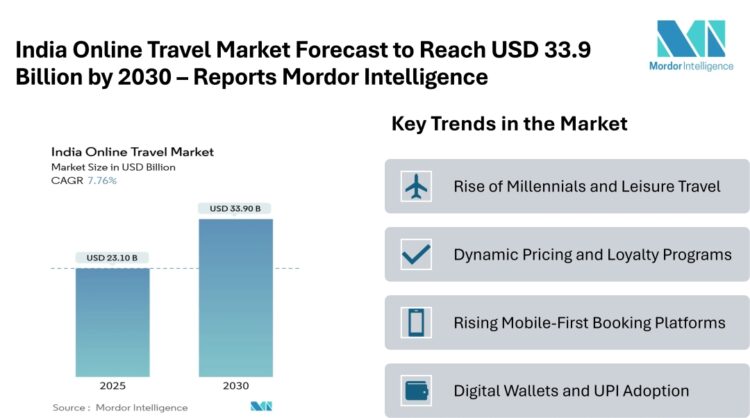
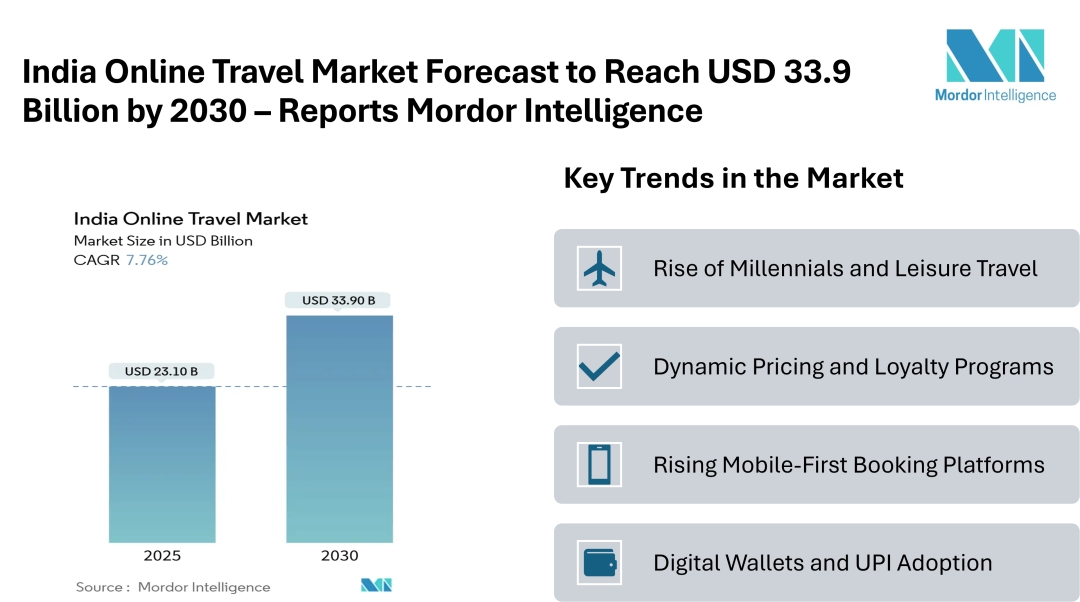
India Online Travel Market Forecast to Reach USD 33.9 Billion by 2030 – Reports Mordor Intelligence
Article Summary:
The article discusses a new report by Mordor Intelligence on the India online travel market, which is valued at USD 23.1 billion in 2025 and projected to reach USD 33.9 billion by 2030, reflecting a 7.76% Compound Annual Growth Rate (CAGR). The growth is attributed to increasing smartphone adoption, government digitization initiatives, and a preference for mobile-first booking platforms. The market is witnessing a shift from offline to online channels, driven by the thriving domestic aviation sector and a surge in leisure travel. Intensifying competition among Online Travel Agencies (OTAs) is leading to innovations such as loyalty programs, dynamic pricing strategies, and vernacular interfaces tailored to local preferences.
Key Points:
Actionable Takeaways:
Contextual Insights:
The article reflects the current trends in the travel industry, particularly in India, where digital transformation is rapidly reshaping the market. The shift from offline to online channels is driven by the increasing penetration of smartphones and the government’s push for digitalization. This transition presents both challenges and opportunities for travel companies. On one hand, businesses must adapt to new technologies and consumer preferences; on the other, they have the chance to innovate and differentiate themselves through enhanced digital experiences. The focus on mobile-first platforms and dynamic pricing strategies highlights the industry’s move towards personalization and efficiency. As OTAs intensify competition, companies must continuously innovate to retain market share. This context underscores the importance of staying abreast of technological advancements and consumer trends to remain competitive in the evolving travel landscape.
Read the Complete Article.
Boutique Travel VC raises investment cap from $1.5M to $10M to lead rounds and support portfolio companies through growth Travel...
Read moreDetails



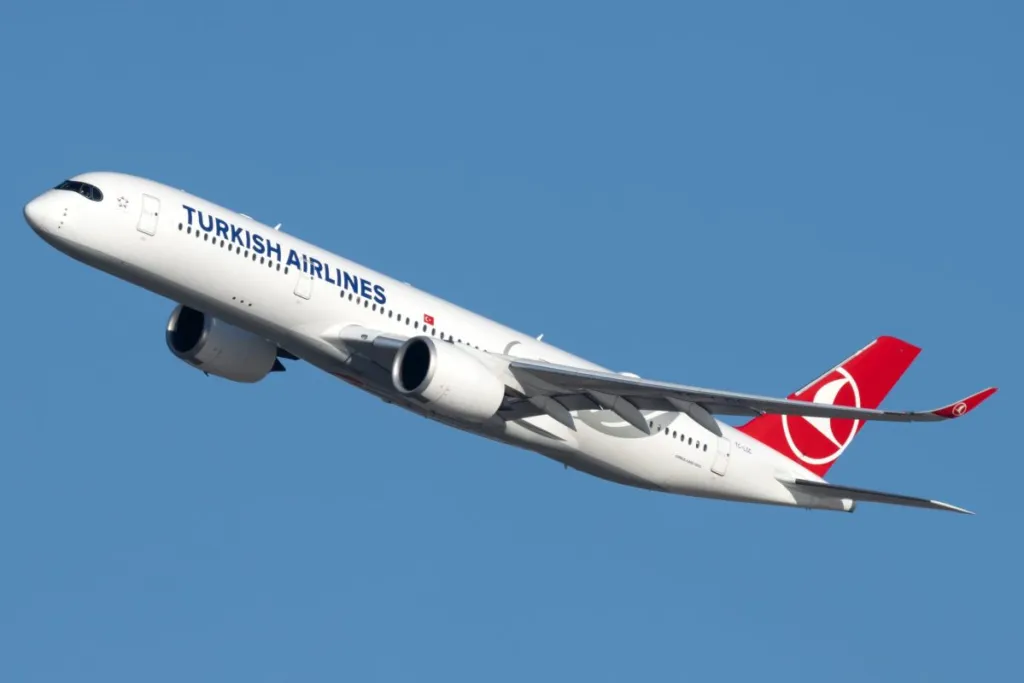
Istanbul, Turkey — August 8, 2023 In short: Turkish Airlines appoints new CEO and chairman as Murat Şeker takes over...
Read moreDetails
