





















Travel Capitalist Ventures Expands Check Size to $10 Million to Deepen Emerging Market Conviction
Boutique Travel VC raises investment cap from $1.5M to $10M to lead rounds and support portfolio companies through growth Travel...
Read moreDetails
India Online Travel Market Forecast to Reach USD 33.9 Billion by 2030 – Reports Mordor Intelligence
Comprehensive Summarization:
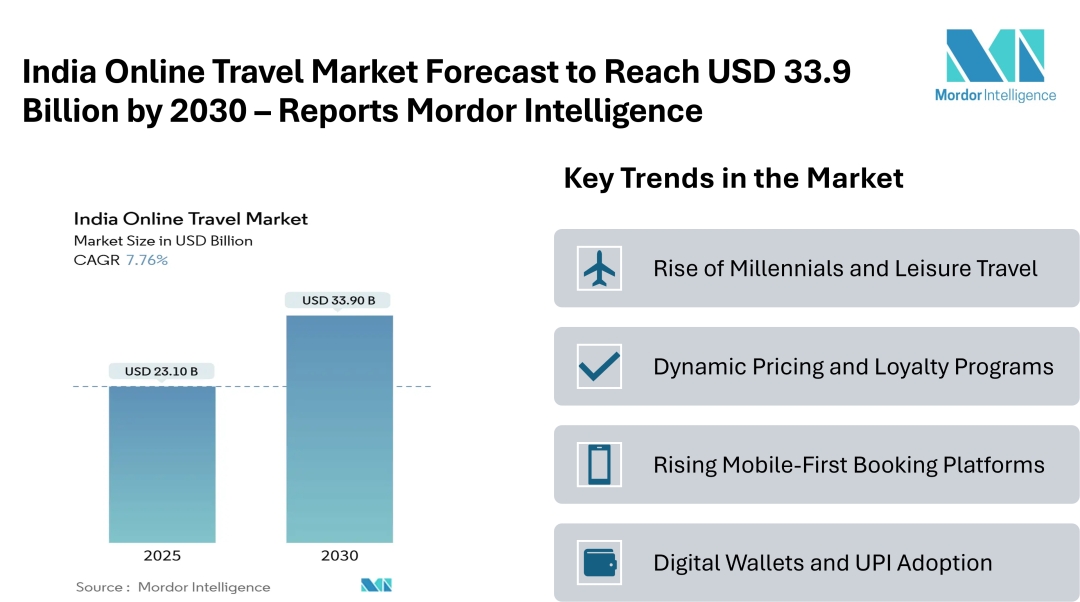
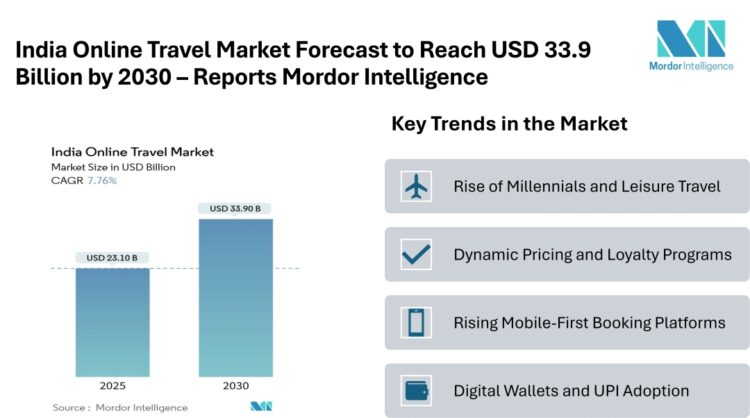
The article from Mordor Intelligence presents an in-depth analysis of the India online travel market, highlighting its current size of USD 23.1 billion in 2025, with projections to reach USD 33.9 billion by 2030. This growth is attributed to several key factors including the surge in smartphone adoption, government digitization initiatives, and a growing preference for mobile-first booking platforms. The market is experiencing a significant shift from offline to online channels, driven by the thriving domestic aviation sector and a rising trend of leisure travel. The competitive landscape among Online Travel Agencies (OTAs) is intensifying, leading to the adoption of loyalty programs, dynamic pricing strategies, and vernacular interfaces to cater to local preferences.
Key Points:
Actionable Takeaways:
Embrace Mobile-First Strategies: With the rapid adoption of smartphones, travel companies should prioritize mobile-first booking platforms to capture a larger market share. This shift is crucial for staying competitive in the evolving online travel landscape.
Leverage Government Initiatives: The Indian government’s digitization initiatives present a significant opportunity for travel businesses. By aligning with these initiatives, companies can enhance their digital infrastructure, improve service delivery, and tap into a growing market of tech-savvy travelers.
Focus on Localized Interfaces: To cater to the diverse preferences of Indian travelers, incorporating vernacular interfaces and localized content can significantly enhance user engagement. This approach not only improves accessibility but also fosters a deeper connection with the local audience, potentially driving higher conversion rates.
Contextual Insights:
The article reflects the current trajectory of the travel industry in India, marked by rapid digital transformation and increasing consumer preference for online booking solutions. The emphasis on smartphone adoption and mobile-first platforms underscores a broader trend towards digitalization across all sectors. The competitive pressure among OTAs is pushing companies to innovate continuously, particularly in areas such as pricing strategies and user experience. These insights are crucial for travel startups and established players alike, as they navigate the evolving market dynamics and seek to capitalize on emerging opportunities. The focus on government digitization initiatives highlights the importance of aligning with broader industry trends and regulatory frameworks to ensure sustainable growth and compliance.
Read the Complete Article.
Boutique Travel VC raises investment cap from $1.5M to $10M to lead rounds and support portfolio companies through growth Travel...
Read moreDetails



Comprehensive Summarization: Ethiopian Airlines launched a new direct route from Hanoi to Bangkok on April 8, 2026, using Boeing 787-8...
Read moreDetails
