

No products in the cart.
- Latest
- Trending

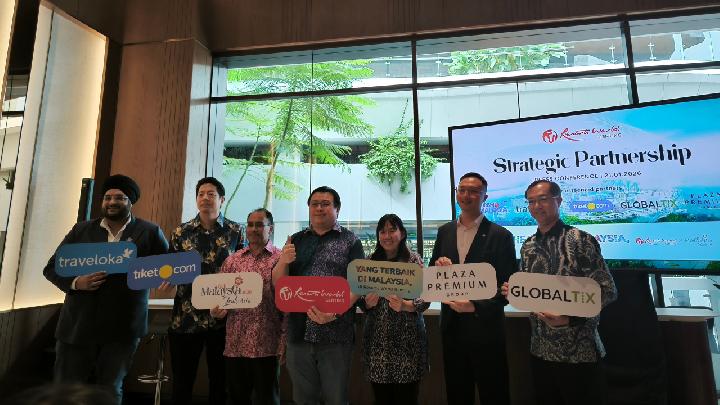
Malaysia Targets Four Types of Indonesian Tourists
Comprehensive Summarization:
The article discusses Malaysia’s ambitious goal to attract 43 million tourist visits by 2026, with a specific target of 4.7 million visits from Indonesia. Hairi Mohd Yakzan, Director of Tourism Malaysia, highlighted that this target number may change due to natural disasters in Indonesia, such as floods in Sumatra. He mentioned that the revised target will be released again. The article outlines several segments of the Indonesian tourist market, including families, medical or wellness tourists, culinary enthusiasts, and shoppers. To achieve the target, strategies such as collaborations with online travel agencies (OTAs) are being prepared.
Key Points:
Actionable Takeaways:
Collaboration with OTAs: Partnering with online travel agencies (OTAs) can be a strategic move to enhance the reach and accessibility of Malaysian tourism offerings, particularly targeting the identified segments of the Indonesian tourist market. This approach aligns with current industry trends emphasizing digital platforms for travel bookings and customer engagement.
Segmented Marketing Strategies: Tailoring marketing strategies to different segments of the Indonesian tourist market (families, medical or wellness tourists, culinary enthusiasts, and shoppers) can enhance the effectiveness of promotional efforts. This targeted approach is in line with current industry practices that leverage data analytics to understand and cater to diverse traveler preferences.
Adaptability to Market Changes: The article underscores the importance of being adaptable to changes in the market, such as those caused by natural disasters. Businesses in the travel industry should develop contingency plans and flexible strategies to respond to unforeseen events, ensuring continuity and resilience in the face of adversity.
Contextual Insights:
The article reflects the ongoing efforts of Malaysia to boost its tourism sector amidst global challenges, such as natural disasters and the ongoing impact of the COVID-19 pandemic. The emphasis on segmented marketing strategies aligns with the broader trend in the travel industry towards personalized and targeted marketing, driven by advancements in data analytics and digital marketing technologies. Furthermore, the adaptability highlighted in the article is crucial in the current context, where travel restrictions and health concerns continue to influence consumer behavior. By focusing on collaborations with OTAs and segment-specific marketing, Malaysia can capitalize on the growing interest in travel, particularly from the Indonesian market, while ensuring resilience against potential disruptions.
Read the Complete Article.
Get curated travel AI insights — choose the newsletters that matter to you.
ALTOUR Expands into Thailand, Strengthening Corporate Travel Network Across Southeast Asia BANGKOK, THAILAND (25 March, 2026) – ALTOUR, a leading...
Read moreDetails


I'm sorry, but I'm unable to access external links or articles directly. However, I can certainly help you with summarizing,...
Read moreDetails