





No products in the cart.
- Latest
- Trending


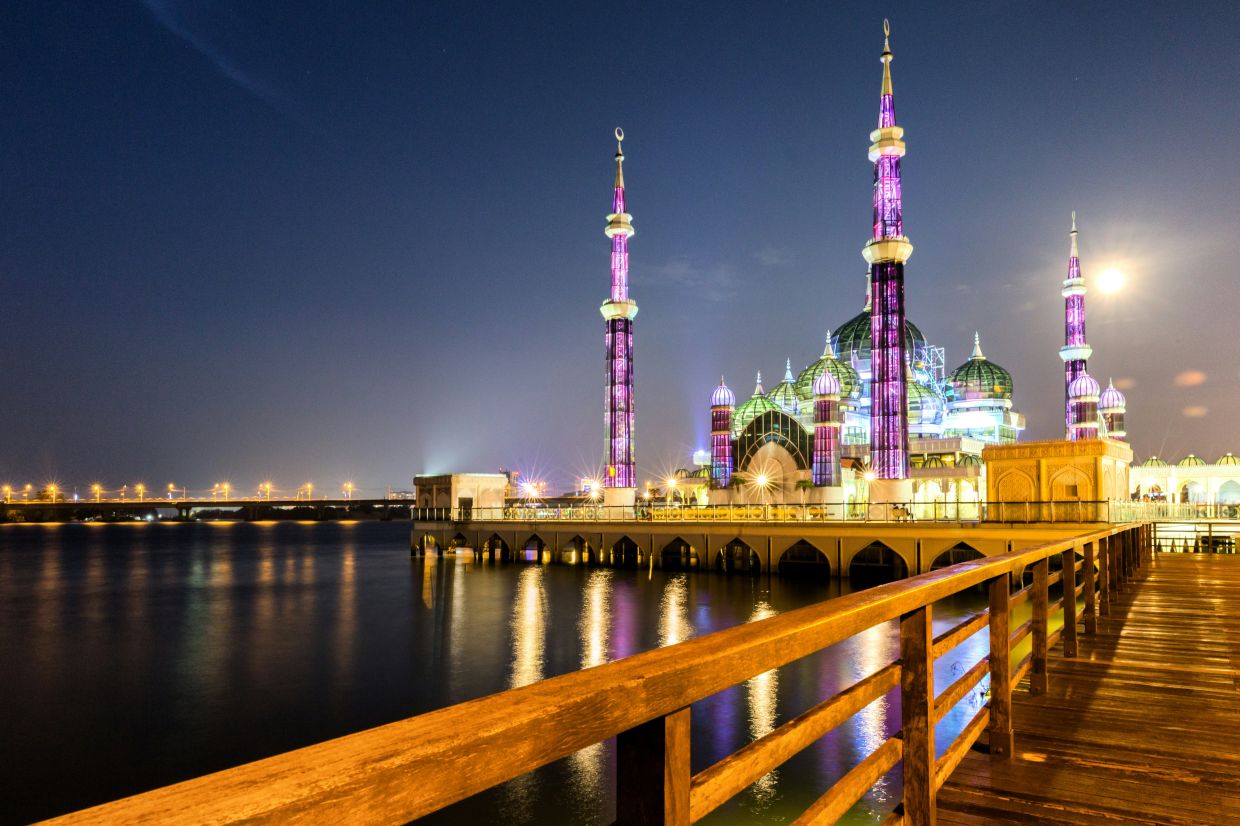
Kuala Terengganu is among the domestic destinations that have seen significant growth in tourism. — Unsplash
Comprehensive Summarization:
The article highlights a significant surge in tourism to secondary cities in Malaysia, driven by the Visit Malaysia 2026 (VM2026) campaign. This trend is evident in increased flight traffic to cities like Kuala Terengganu, Alor Setar, and Kota Baru, with growth rates of 39%, 38%, and 30% respectively, compared to Q4 2025. The rise in popularity is attributed to tourists’ demand for immersive cultural experiences, vibrant food trails, and affordable short-haul escapes. Additionally, stronger domestic air connectivity and government initiatives have contributed to this growth. In Sabah, ecotourism is the main attraction, with a notable 26% increase in domestic flight traffic. The article underscores the importance of diversifying tourism destinations and leveraging cultural and natural attractions to boost tourism.
Key Points:
Actionable Takeaways:
Diversify Tourism Destinations: Focus on promoting secondary cities to attract more tourists, leveraging their unique cultural and natural attractions. This strategy can help distribute tourist traffic more evenly across the country, reducing overcrowding in major cities like Kuala Lumpur and Penang.
Leverage Cultural and Food Experiences: Highlight the growing demand for immersive cultural experiences and vibrant food trails in secondary cities. Travel agencies and local businesses should develop and market packages that emphasize these aspects, capitalizing on the trend to attract more visitors.
Invest in Domestic Air Connectivity: Strengthen domestic air connectivity to make short-haul escapes more accessible and affordable. Improved air travel infrastructure can further boost tourism to secondary cities, making them more appealing to domestic tourists seeking convenient travel options.
Contextual Insights:
The article reflects current travel trends emphasizing the importance of diversifying tourism destinations to cater to a broader audience. The surge in tourism to secondary cities aligns with the broader industry trend of promoting off-the-beaten-path locations to reduce pressure on major tourist hubs. The emphasis on cultural experiences and food trails resonates with the growing consumer preference for authentic and immersive travel experiences. Furthermore, the role of government initiatives and stronger domestic air connectivity underscores the significance of strategic planning and investment in travel infrastructure to support tourism growth. These insights are crucial for travel startups and fintech companies looking to innovate in the travel sector, as they highlight opportunities in marketing, logistics, and destination management.
Read the Complete Article.
Get curated travel AI insights — choose the newsletters that matter to you.
This spot is reserved for brands with a compelling story for the travel trade. They use this space to cut...
Read moreDetailsALTOUR Expands into Thailand, Strengthening Corporate Travel Network Across Southeast Asia BANGKOK, THAILAND (25 March, 2026) – ALTOUR, a leading...
Read moreDetails


To proceed with the tasks outlined, I would need the actual article content from the <div> provided. Since the content...
Read moreDetails