
No products in the cart.
- Latest
- Trending


UNESCO Designates Albania Vjosa River as a Biosphere Reserve: Will Sustainable Tourism Save This Pri...
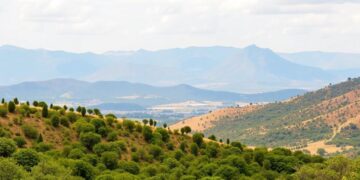
Albania’s Vjosa River Designated UNESCO Biosphere Reserve, Raising Hopes for Sustainable Tourism
The Vjosa River in Albania has been recognized by UNESCO as a Biosphere Reserve. This designation highlights the ecological significance of Europe’s last wild river and signals a potential shift towards sustainable tourism as a means of its preservation. The decision by UNESCO underscores the importance of protecting this pristine ecosystem, a move that has been championed by environmental organizations and local communities.
The designation of the Vjosa River as a Biosphere Reserve by UNESCO is a significant step in safeguarding its unique biodiversity and natural landscape. Biosphere Reserves are areas designated by UNESCO under the Man and the Biosphere (MAB) Programme to promote and demonstrate a balanced relationship between people and nature. They are intended to serve as sites for research, education, conservation, and sustainable development.
For Albania, this recognition brings international attention to the Vjosa River, which has been under threat from various development projects, including hydropower dams. The designation is expected to bolster efforts to protect the river from further environmental degradation. Environmental groups have long advocated for the Vjosa’s protection, citing its importance for a wide range of flora and fauna.
The hope is that the Biosphere Reserve status will catalyze sustainable tourism initiatives. By attracting visitors interested in ecotourism and nature-based experiences, Albania can develop an economy that is intrinsically linked to the river’s health and preservation. This approach aims to provide economic benefits to local communities without compromising the ecological integrity of the Vjosa.
Sustainable tourism in the context of the Vjosa River could involve activities such as guided nature walks, bird watching, kayaking, and educational programs focused on the river’s ecosystem. These activities are designed to be low-impact, ensuring that tourism contributes to, rather than detracts from, the river’s conservation goals. The success of such initiatives will likely depend on careful planning, community involvement, and robust management strategies.
The designation also places Albania on the global map for conservation efforts. It signifies a commitment from the Albanian government, supported by international bodies like UNESCO, to protect one of Europe’s most valuable natural assets. The future of the Vjosa River now hinges on the effective implementation of conservation measures and the successful development of a sustainable tourism model that benefits both the environment and the local population.
Key Points
Read the Complete Article.
Get curated travel AI insights — choose the newsletters that matter to you.
ALTOUR Expands into Thailand, Strengthening Corporate Travel Network Across Southeast Asia BANGKOK, THAILAND (25 March, 2026) – ALTOUR, a leading...
Read moreDetails


Comprehensive Summarization: The article reports a significant disruption in air travel operations at Washington D.C.'s major airports, including Ronald Reagan...
Read moreDetails