








No products in the cart.
- Latest
- Trending

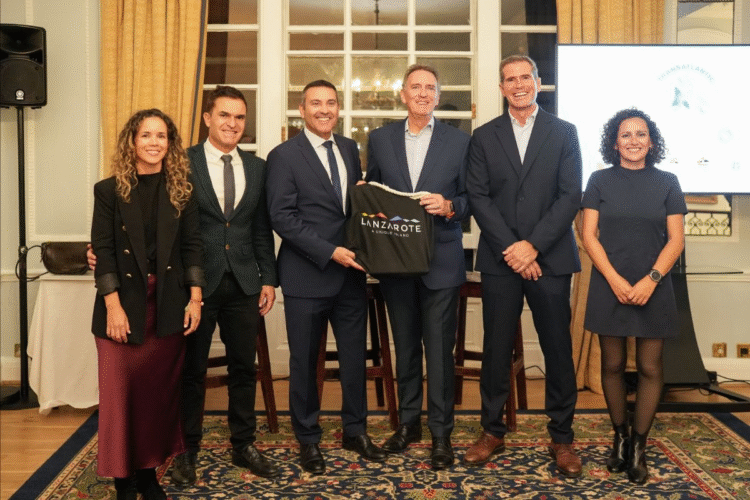
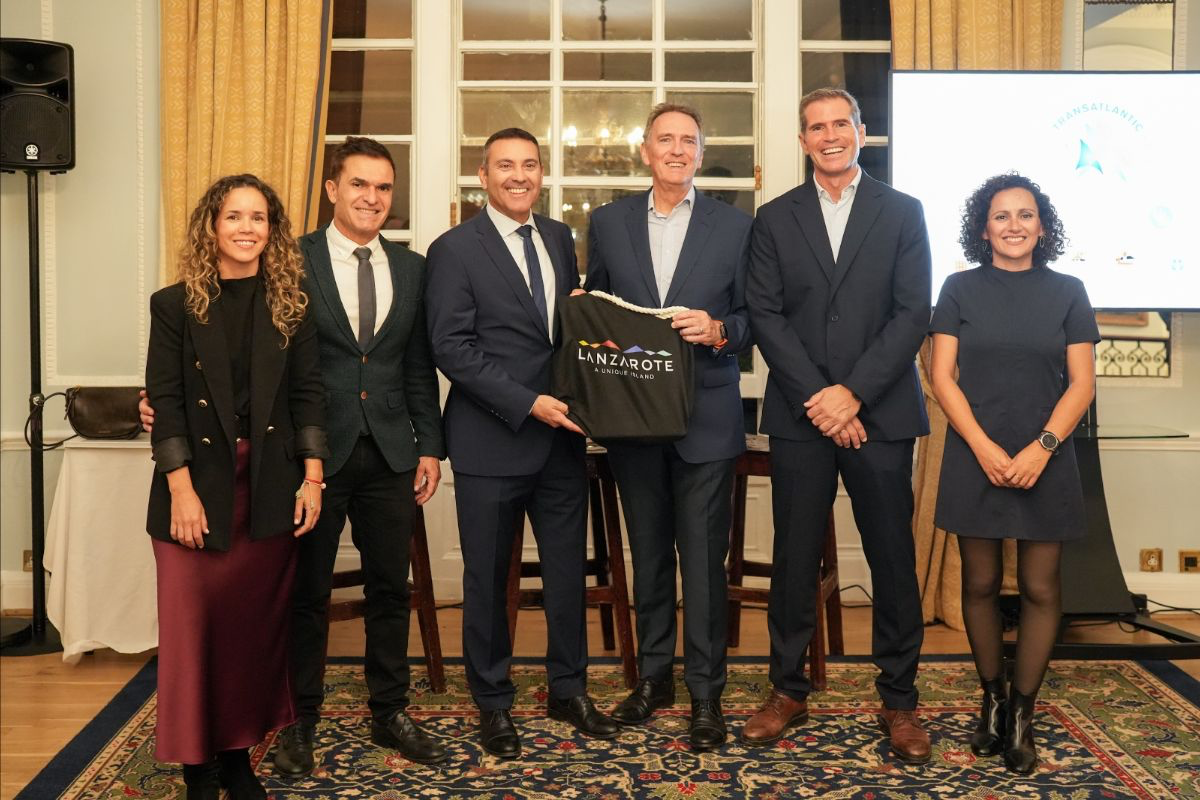
From left to right: María Martín Marketing & PR Lanzarote Sport Destination, Héctor Fernández, CEO SPEL, Oswaldo Betancort President of Cabildo Lanzarote, Jeremy Wilton CEO RORC, José Juan Calero, CEO Calero Marinas and Pilar Hernández Marketing Manager Calero Marinas.
The "Atlantic Hub for Sport and Sustainable Tourism" project is underway, a cross-border initiative focused on developing marine and sailing tourism along the Atlantic Arc. The project, which received EU funding in late 2023, is a three-year endeavor involving 15 project partners from Ireland, Portugal, Spain, and France. Its primary goal is to address the challenge of seasonal demand in coastal tourism and to position the Atlantic coast as a leading destination for sport and sustainable tourism.
The Atlantic Hub project aims to create a network of excellence in sport and sustainable tourism by developing innovative tourism products. This initiative will leverage the rich maritime heritage of the Atlantic Arc countries, enhancing the international visibility of the region. A key objective is to foster year-round tourism, thereby mitigating the economic impact of seasonality, which currently sees up to 70% of sailing tourism businesses depending heavily on the high season and potentially losing 50% of their revenue due to seasonal fluctuations. The project will also focus on promoting youth participation, specifically targeting 18 to 24 year olds in marine activities.
In Ireland, the project partners include the Marine Institute, the Irish National Sailing & Powerboat School (INSS), Sail Training Ireland, Offshore Racing Academy, and Fingal County Council. Dr. Paul Connolly, CEO of the Marine Institute, highlighted the project’s potential to foster collaboration among maritime communities and promote eco-friendly tourism. Adam Hyland, CEO of INSS, noted the school’s role in delivering over 5,000 sailing courses and its location at Dun Laoghaire Harbour, which attracts over 100,000 visitors annually. Sail Training Ireland, led by CEO Dara Fitzpatrick, brings extensive experience, having engaged more than 70,000 students since 1996 and boasting an annual intake of 12,000 students. The Offshore Racing Academy, through its director James Lyons, will contribute expertise in offshore racing development.
Sailing tourism is a significant economic driver in the EU, generating €28 billion annually and supporting 250,000 full-time jobs, contributing 3.5% of the GDP. Approximately 50,000 people participate in sailing tourism in Ireland each year. The Atlantic Hub project seeks to enhance the economic resilience of coastal communities by diversifying tourism offerings and extending the tourism season. It will provide training, support, and resources to local businesses and communities, ensuring that the development is both economically viable and environmentally sustainable. The project envisions the Atlantic coast becoming a premier destination, benefiting the 17 million people who live in the EU’s coastal areas.
Key Points
Read the Complete Article.
Get curated travel AI insights — choose the newsletters that matter to you.
This spot is reserved for brands with a compelling story for the travel trade. They use this space to cut...
Read moreDetailsALTOUR Expands into Thailand, Strengthening Corporate Travel Network Across Southeast Asia BANGKOK, THAILAND (25 March, 2026) – ALTOUR, a leading...
Read moreDetails


Last June at the 2025 NYU International Hospitality Investment Forum in New York, many speakers highlighted the rapid expansion of...
Read moreDetails