



No products in the cart.
- Latest
- Trending


Greece Introduces New Cruise Tax to Manage Mykonos and Santorini Overtourism and Promote Sustainable...
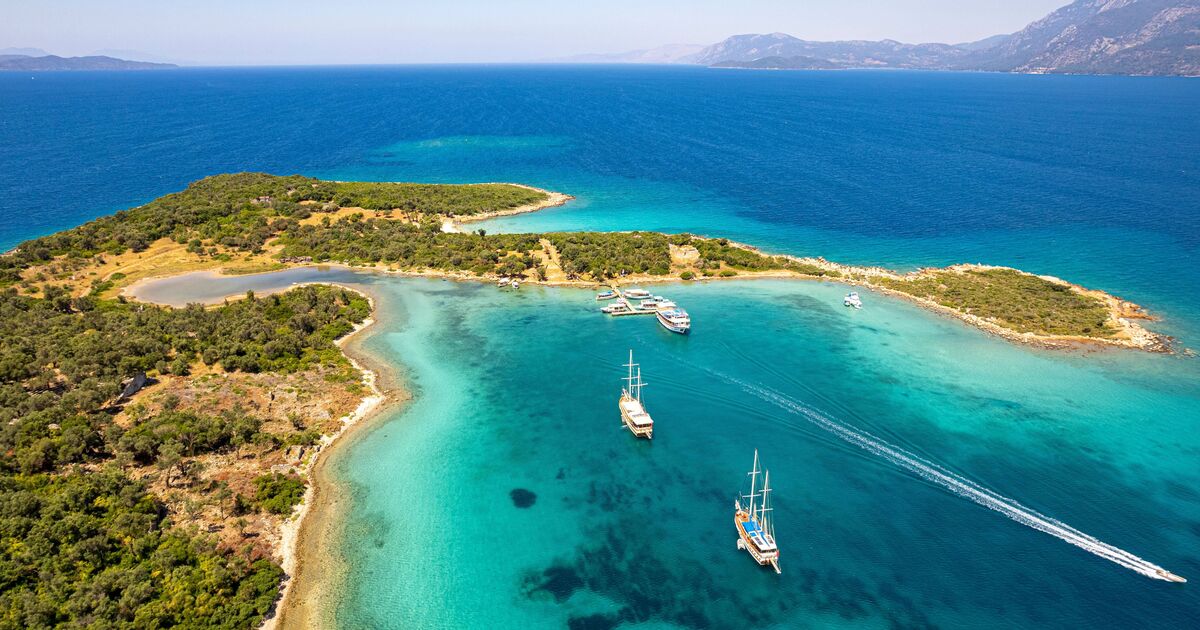
Greece is taking a significant step to address the growing challenge of overtourism in its iconic destinations, Mykonos and Santorini, by introducing a new cruise tax. This strategic move aims to not only manage the influx of visitors but also to actively promote a more sustainable approach to tourism across the nation. The new regulations, which come into effect from January 1, 2024, represent a crucial initiative for the Greek Ministry of Maritime Affairs and Insular Policy, signaling a commitment to long-term environmental protection and visitor experience.
The primary driver behind this new tax is the overwhelming number of cruise ship passengers disembarking daily in sensitive locations like Mykonos and Santorini. While these destinations are highly sought after, the sheer volume of visitors can strain local infrastructure, impact the environment, and diminish the quality of experience for both tourists and residents. The cruise tax is designed to act as a direct revenue stream to mitigate these negative effects and invest in solutions that support sustainable tourism practices.
A key objective of this policy is to encourage a more distributed model of tourism within Greece. By potentially making cruise itineraries slightly more expensive, the government hopes to encourage cruise lines to explore and promote less-visited Greek islands and coastal towns. This diversification can alleviate pressure on the most popular hotspots, allowing them to recover and offering visitors a broader, more authentic experience of Greece’s diverse cultural and natural heritage.
The revenue generated from the cruise tax will be channeled into specific initiatives aimed at enhancing the sustainability of the Greek tourism sector. These could include investments in renewable energy for ports, waste management improvements, infrastructure upgrades to support a larger, yet more managed, flow of visitors, and funding for environmental conservation projects on the islands. The aim is to ensure that the economic benefits of tourism contribute directly to the preservation and improvement of the very assets that attract visitors in the first place.
This proactive measure by Greece positions it as a leader in addressing the complex issues of mass tourism in the digital age. By implementing a tangible financial mechanism, the country is signaling its intent to move beyond rhetoric and enact policies that foster a more responsible and equitable tourism model, safeguarding its invaluable heritage for future generations while ensuring a high-quality experience for all visitors.
Read the Complete Article.
Get curated travel AI insights — choose the newsletters that matter to you.
ALTOUR Expands into Thailand, Strengthening Corporate Travel Network Across Southeast Asia BANGKOK, THAILAND (25 March, 2026) – ALTOUR, a leading...
Read moreDetails


Comprehensive Summarization: The article reports significant travel disruptions at Nashville International Airport (BNA) on a specific day, with 103 delays...
Read moreDetails