


No products in the cart.
- Latest
- Trending


Ho Chi Minh City Strengthens Sustainable Tourism And Connectivity For A Greener Future
Ho Chi Minh City (HCMC) is making significant strides in bolstering its sustainable tourism initiatives and improving crucial transportation infrastructure, aiming to create a more attractive and environmentally conscious destination for global travelers. The city’s commitment to a greener future is evident in its strategic focus on upgrading air and land connectivity, alongside fostering eco-friendly tourism practices.
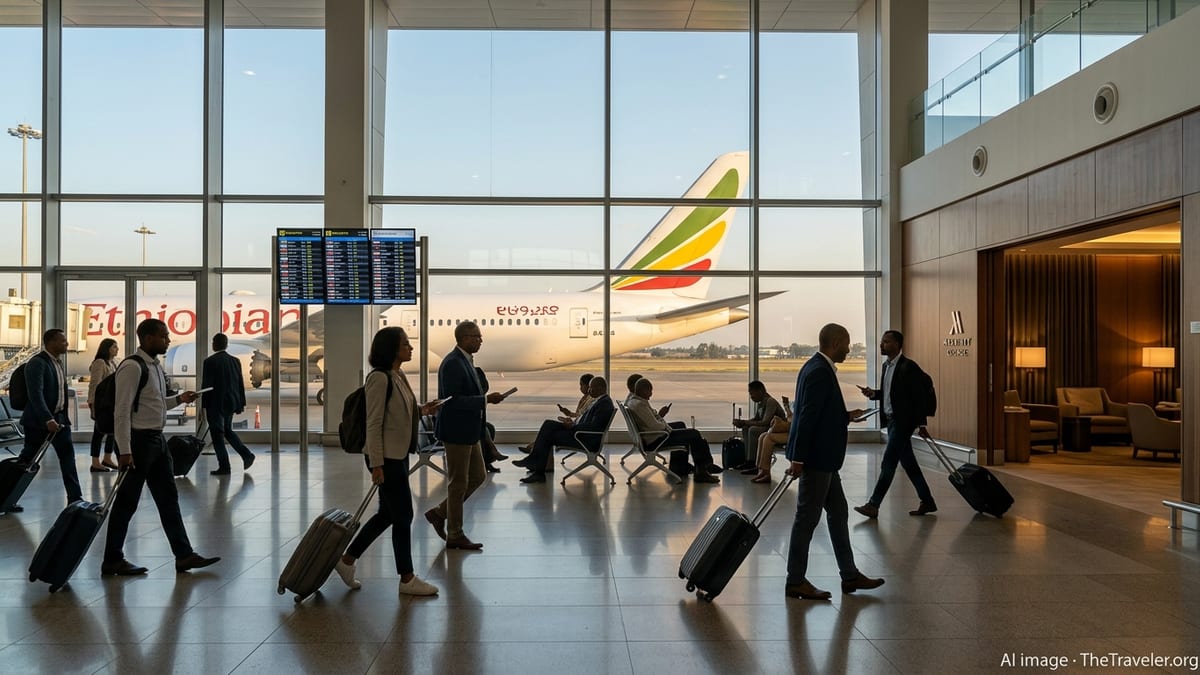
A key driver of this transformation is the ongoing development and expansion of Tan Son Nhat International Airport (TNSIA). The article highlights the critical need for this upgrade, emphasizing its role in accommodating the projected surge in passenger traffic. By enhancing airport capacity and efficiency, HCMC aims to facilitate smoother travel experiences and attract a greater number of international visitors, thereby boosting tourism revenue.
Beyond air travel, HCMC is also investing heavily in its public transportation network. The development of metro lines is a cornerstone of this strategy, designed to reduce reliance on private vehicles and alleviate traffic congestion. This not only contributes to a more pleasant urban environment for residents and tourists alike but also aligns with the city’s sustainability goals by promoting lower carbon emissions. Improved public transport makes exploring the vibrant metropolis more accessible and enjoyable, encouraging longer stays and deeper engagement with the city’s attractions.
The city’s tourism sector is increasingly prioritizing sustainability, recognizing its importance in preserving cultural heritage and natural resources for future generations. This includes promoting responsible travel, supporting local communities, and adopting eco-friendly operational practices within the tourism industry. By championing these principles, HCMC is positioning itself as a forward-thinking destination that appeals to a growing segment of travelers who value ethical and sustainable choices.
Furthermore, the article points to the broader economic benefits of these developments. Enhanced connectivity and a strong commitment to sustainability are expected to drive economic growth, create new employment opportunities, and solidify HCMC’s reputation as a leading tourist hub in Southeast Asia. The focus on quality tourism infrastructure and practices is a clear signal of the city’s ambition to offer a world-class experience that is both economically prosperous and environmentally responsible. HCMC’s proactive approach to sustainable tourism and infrastructure development sets a positive precedent for urban tourism in the region.
Read the Complete Article.
Get curated travel AI insights — choose the newsletters that matter to you.
ALTOUR Expands into Thailand, Strengthening Corporate Travel Network Across Southeast Asia BANGKOK, THAILAND (25 March, 2026) – ALTOUR, a leading...
Read moreDetails


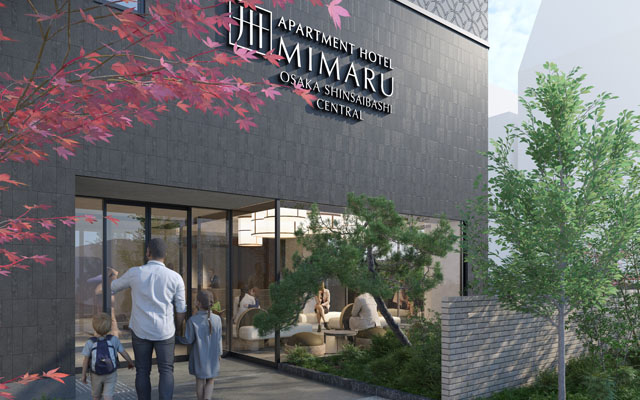
Osaka, Japan — September 2026 In short: Mimaru, an apartment-style hotel brand, will open two new properties in Osaka in...
Read moreDetails