







No products in the cart.
- Latest
- Trending

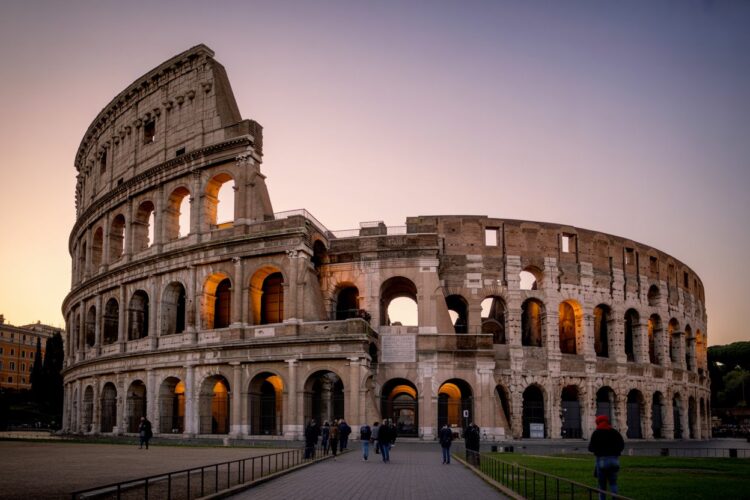
Italy Joins Spain, Portugal, South Korea, United States, Norway, Australia, Poland, and More in Revo...
Comprehensive Summarization:
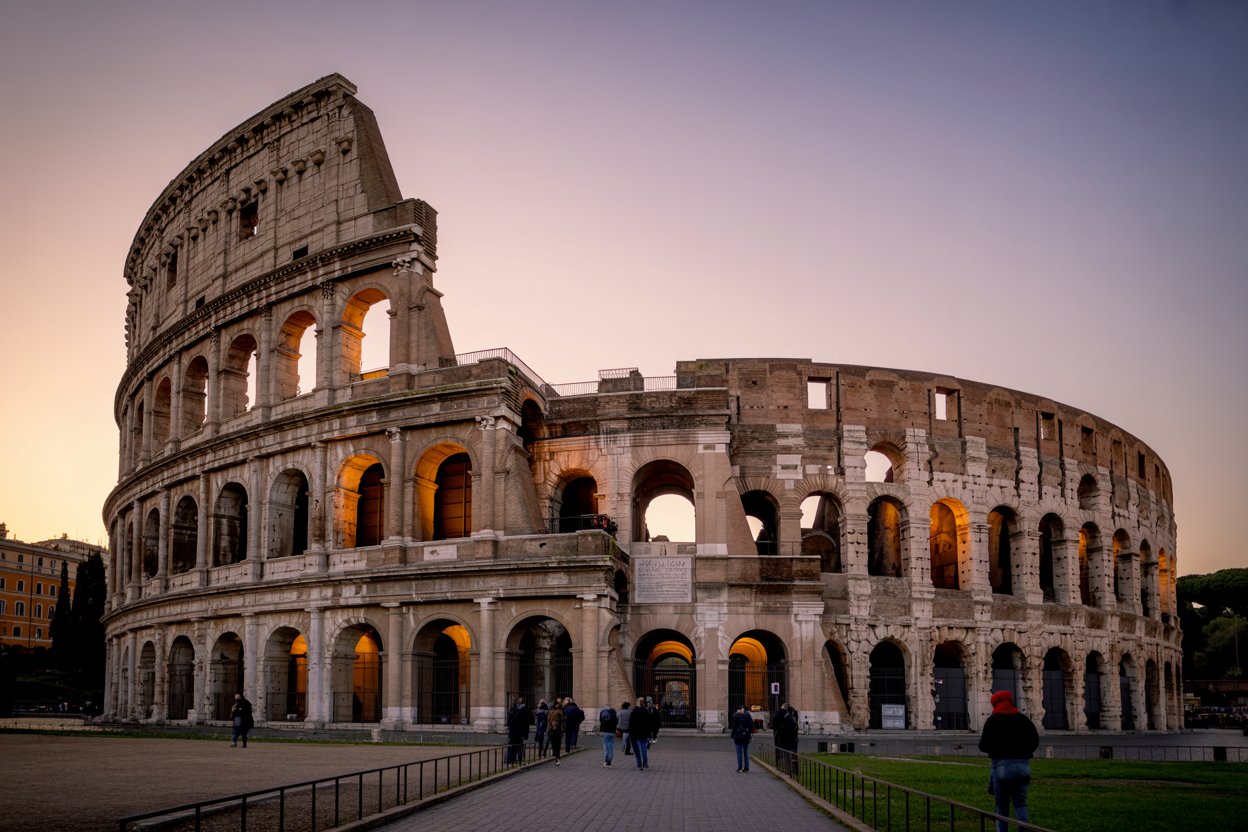
Italy has joined a growing movement alongside Spain, Portugal, South Korea, the United States, Norway, Australia, and Poland, revolutionizing European tourism by promoting emerging, lesser-known destinations. This shift is driven by an increasing number of international travelers seeking unique, off-the-beaten-path experiences beyond traditional tourist hotspots. The movement emphasizes nature-based tourism, cultural exploration, and shoulder-season travel, aiming to diversify travel patterns and support sustainable tourism. By focusing on these aspects, the countries involved are reducing pressures on overcrowded regions and paving the way for more balanced tourism flows.
Key Points:
Actionable Takeaways:
Focus on Emerging Destinations: Travel companies and destinations should highlight lesser-known locations to attract travelers looking for unique experiences. This can lead to increased tourism revenue and reduced pressure on overcrowded areas.
Emphasize Sustainable Tourism Practices: By promoting nature-based tourism and cultural exploration, destinations can attract eco-conscious travelers. This approach supports sustainability goals and enhances the overall travel experience.
Leverage Shoulder-Season Travel: Encouraging travel during shoulder seasons can help balance tourism flows, reducing the strain on popular destinations during peak times. This strategy can also provide economic benefits to destinations during less busy periods.
Contextual Understanding:
The article reflects current trends in the travel industry, where there is a growing emphasis on sustainability and unique travel experiences. The inclusion of countries like Italy, Spain, Portugal, and others in this movement indicates a broader industry shift towards responsible tourism practices. The focus on emerging destinations and shoulder-season travel aligns with recent expert opinions on the need for balanced tourism flows to protect natural and cultural resources. Thought leaders in the travel industry have been advocating for these practices, emphasizing the importance of diversifying travel patterns to ensure long-term sustainability and reduce environmental impacts.
Handling Different Article Types:
The article is a news blurb, providing factual information about a significant development in the travel industry. The summary, key points, and actionable takeaways are structured to convey this factual information clearly and concisely. The context provided helps integrate the article into broader discussions about industry trends and future directions in sustainable tourism.
Read the Complete Article.
Get curated travel AI insights — choose the newsletters that matter to you.
ALTOUR Expands into Thailand, Strengthening Corporate Travel Network Across Southeast Asia BANGKOK, THAILAND (25 March, 2026) – ALTOUR, a leading...
Read moreDetails


Kuala Lumpur, Malaysia — April 23, 2024 In short: AirAsia MOVE hosts inaugural AI & Aspiring Traveller conference in ASEAN....
Read moreDetails