





No products in the cart.
- Latest
- Trending

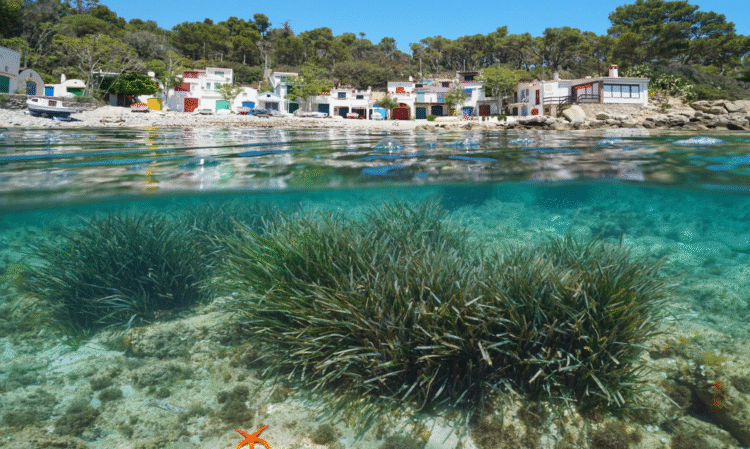
New IUCN report highlights urgent need for more sustainable blue tourism in the Mediterranean - News
Article Summary:
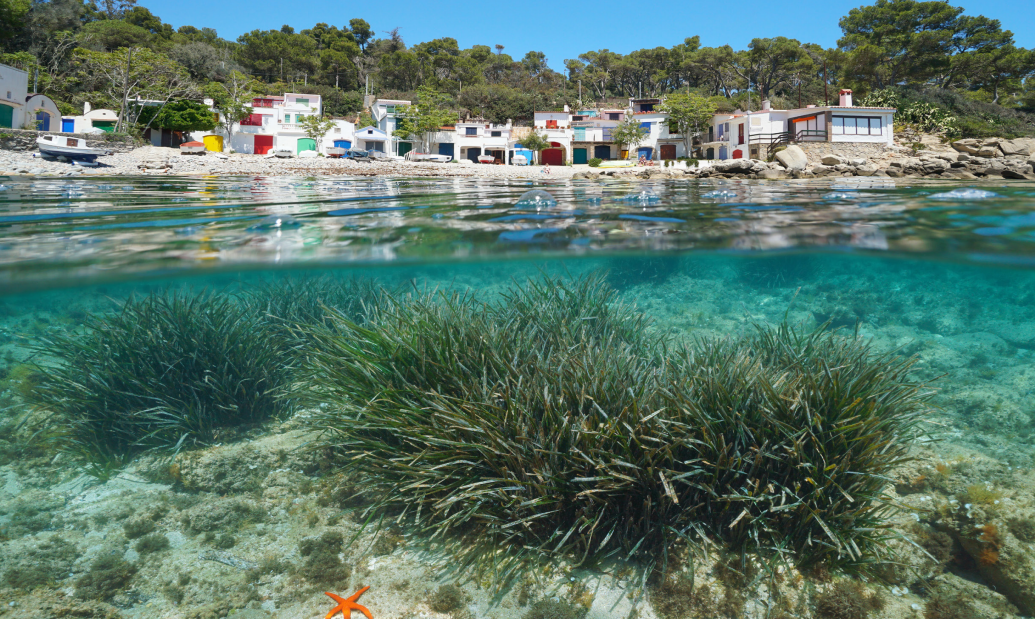
The IUCN has released a report titled "Sustainable Blue Tourism in the Mediterranean: Trends, Challenges, and Policy Pathways" to coincide with World Tourism Day. This report highlights the significant economic importance of coastal and maritime tourism in the Mediterranean, which is valued at €171 billion and provides most of the sector’s jobs. However, it also warns of mounting climate, environmental, and social pressures that threaten the long-term viability of this sector. The report was coordinated by the IUCN Centre for Mediterranean Cooperation with support from various institutions including the Andalusian Institute for Research and Innovation in Tourism, Eco-union, and the Institute for Sustainable Development and International Relations. The article underscores the need for sustainable practices in tourism to balance economic growth with environmental conservation.
Key Points:
Actionable Takeaways:
Invest in Sustainable Tourism Infrastructure: Given the sector’s economic importance and the pressures it faces, investing in sustainable tourism infrastructure should be a priority. This includes developing eco-friendly accommodations, promoting sustainable transportation options, and implementing waste management systems that minimize environmental impact. This action is crucial for ensuring the long-term viability of the sector while meeting the growing demand for sustainable travel experiences.
Promote Climate-Resilient Tourism Practices: The report highlights the need to address climate-related challenges in the tourism sector. Travel companies and policymakers should prioritize climate-resilient practices, such as reducing carbon emissions, protecting marine ecosystems, and developing tourism policies that are adaptable to changing environmental conditions. This will not only help preserve the natural beauty of the Mediterranean but also attract eco-conscious travelers who are willing to pay a premium for sustainable experiences.
Contextual Insights:
The release of the IUCN report aligns with the current global emphasis on sustainable development and the need for industries to balance economic growth with environmental stewardship. The Mediterranean’s coastal and maritime tourism sector is a prime example of this challenge, given its significant contribution to the region’s economy and its exposure to climate-related risks. The report’s focus on sustainable practices and policy pathways reflects a broader industry trend towards integrating sustainability into tourism operations. As the sector continues to grow, the adoption of innovative technologies and sustainable practices will be crucial in ensuring its resilience and competitiveness. Thought leaders in the travel industry are increasingly advocating for a holistic approach to tourism that prioritizes both economic benefits and environmental protection, making the insights from this report highly relevant for stakeholders across the sector.
Read the Complete Article.
Get curated travel AI insights — choose the newsletters that matter to you.
This spot is reserved for brands with a compelling story for the travel trade. They use this space to cut...
Read moreDetailsALTOUR Expands into Thailand, Strengthening Corporate Travel Network Across Southeast Asia BANGKOK, THAILAND (25 March, 2026) – ALTOUR, a leading...
Read moreDetails


Comprehensive Summarization: The article discusses the launch of a pilot project by SITA and IDsure, aimed at replacing paper-based crew...
Read moreDetails