




No products in the cart.
- Latest
- Trending


Hope in Action: Sustainable tourism leaders unite to shape the future of travel
The future of travel is at a pivotal moment, with a growing consensus that sustainability is no longer an option, but a necessity. Recognizing this, a powerful coalition of tourism leaders, innovators, and advocates recently convened to chart a course for a more responsible and resilient travel industry. This landmark gathering, documented in a recent report, underscores a collective commitment to transforming how we explore the world, prioritizing environmental protection, community well-being, and long-term economic viability.
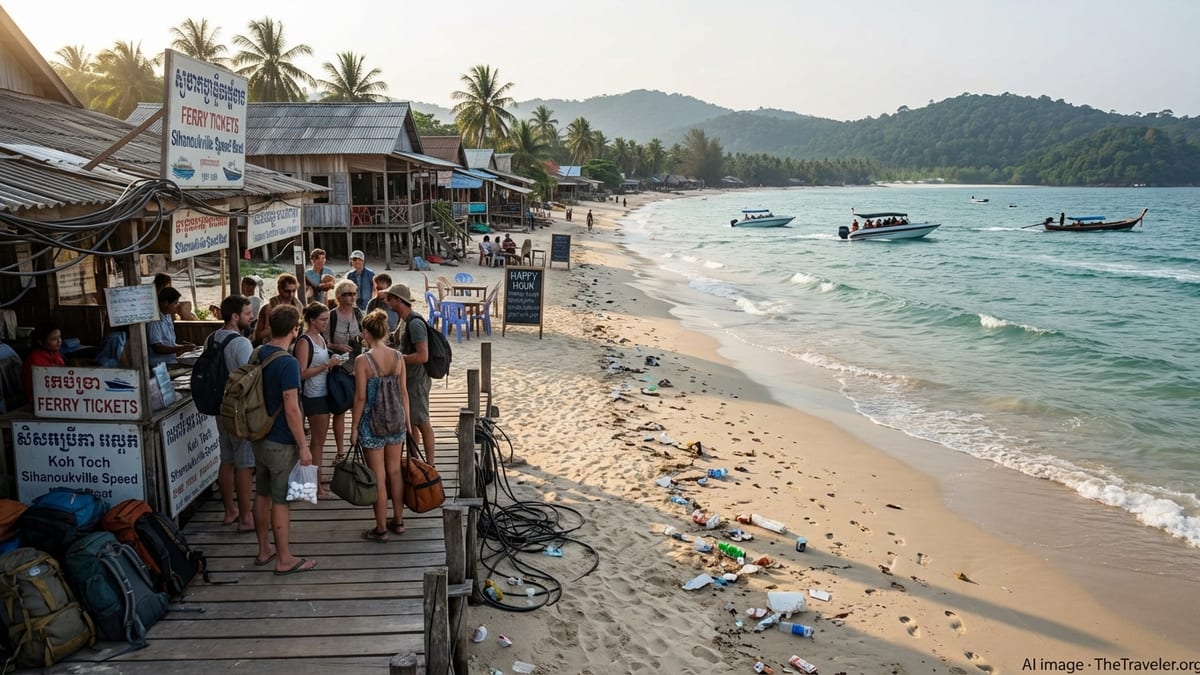
At the heart of this movement is a shared understanding that traditional tourism models can, in many instances, exert significant pressure on local ecosystems and cultures. The discussions highlighted the urgent need to shift towards practices that not only minimize negative impacts but actively contribute to the preservation and enhancement of destinations. This involves everything from reducing carbon footprints and waste generation to empowering local communities and ensuring fair economic benefits.
A key theme emerging from the summit was the crucial role of collaboration. No single entity can effectively drive this transformation alone. The report emphasizes the importance of partnerships between governments, private sector businesses, local communities, and international organizations. By working together, these stakeholders can share knowledge, resources, and best practices, accelerating the adoption of sustainable solutions. This united front aims to create a more cohesive and impactful approach to sustainable tourism development.
Innovation was another central pillar of the discussions. Leaders explored cutting-edge technologies and creative strategies designed to make travel more sustainable. This includes the development of eco-friendly transportation options, the implementation of circular economy principles within the tourism sector, and the use of digital tools to promote responsible visitor behavior. The focus is on creating experiences that are not only enjoyable for travelers but also leave a positive legacy.
The economic imperative for sustainable tourism was also clearly articulated. Far from being a cost center, embracing sustainability can unlock new market opportunities, attract environmentally conscious travelers, and build stronger brand loyalty. Destinations that prioritize sustainability are increasingly being recognized as more desirable and resilient, offering a competitive advantage in the evolving global travel landscape. This shift in perspective recognizes that a healthy planet and thriving communities are fundamental to the long-term success of the tourism industry.
Ultimately, the overarching goal is to create a travel sector that benefits everyone – travelers, host communities, and the planet. This means fostering an environment where cultural heritage is respected, natural landscapes are protected, and local economies flourish. The unified voice of these influential leaders signals a powerful commitment to action, setting the stage for a more responsible and enriching future of travel for generations to come.
Read the Complete Article.
Get curated travel AI insights — choose the newsletters that matter to you.
ALTOUR Expands into Thailand, Strengthening Corporate Travel Network Across Southeast Asia BANGKOK, THAILAND (25 March, 2026) – ALTOUR, a leading...
Read moreDetails


Comprehensive Summarization: On March 30, 2026, Muscat International Airport (MCT) experienced significant operational disruptions, resulting in the cancellation of 15...
Read moreDetails