









No products in the cart.
- Latest
- Trending


Sustainable tourism is a real alternative to the coal industry
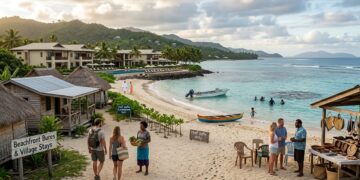
South Africa stands at a critical juncture, facing the urgent need to transition away from its reliance on the coal industry. While the economic implications are significant, a compelling alternative is emerging: sustainable tourism. This isn’t just a feel-good buzzword; it’s a viable economic driver offering a pathway to job creation, environmental protection, and diversified revenue streams, particularly for communities historically marginalized by traditional industries.
The article argues that sustainable tourism represents a "real alternative" to the declining coal sector, presenting a multifaceted solution to South Africa’s economic and environmental challenges. It highlights how embracing eco-friendly practices and community-focused tourism can unlock immense potential, creating a more resilient and equitable future. Unlike the finite and polluting nature of coal, sustainable tourism offers a regenerative economic model that can flourish for generations to come.
The core of this argument lies in the inherent strengths of South Africa’s natural beauty and cultural heritage. From the iconic Kruger National Park to the vibrant cultural tapestry of its cities, the country possesses a wealth of attractions that can be leveraged through responsible tourism. This approach prioritizes minimizing environmental impact, conserving biodiversity, and ensuring that local communities directly benefit from tourism revenue. This means investing in eco-lodges, supporting local artisans and guides, and developing tourism products that showcase authentic cultural experiences.
Furthermore, the article implicitly suggests that a shift towards sustainable tourism can address social inequalities. By empowering local communities to participate in and lead tourism initiatives, it creates opportunities for entrepreneurship and economic empowerment, fostering a sense of ownership and pride. This localized approach can revitalize rural economies and provide a much-needed alternative to the often exploitative nature of large-scale resource extraction.
The transition won’t be without its challenges. It requires strategic investment in infrastructure, training, and marketing to position South Africa as a leading sustainable tourism destination. However, the long-term benefits – environmental preservation, job creation, and economic diversification – far outweigh the initial hurdles. By prioritizing sustainability, South Africa can tap into a growing global market of conscious travelers seeking authentic and responsible experiences, ultimately securing its economic future and safeguarding its precious natural and cultural heritage.
Key Points
The article does not explicitly list KPIs, revenue numbers, or specific data points. However, the core argument and implied takeaways are:
Read the Complete Article.
Get curated travel AI insights — choose the newsletters that matter to you.
ALTOUR Expands into Thailand, Strengthening Corporate Travel Network Across Southeast Asia BANGKOK, THAILAND (25 March, 2026) – ALTOUR, a leading...
Read moreDetails


Comprehensive Summarization: The article reports that the South African and Angolan governments have agreed to remove capacity and frequency restrictions...
Read moreDetails