


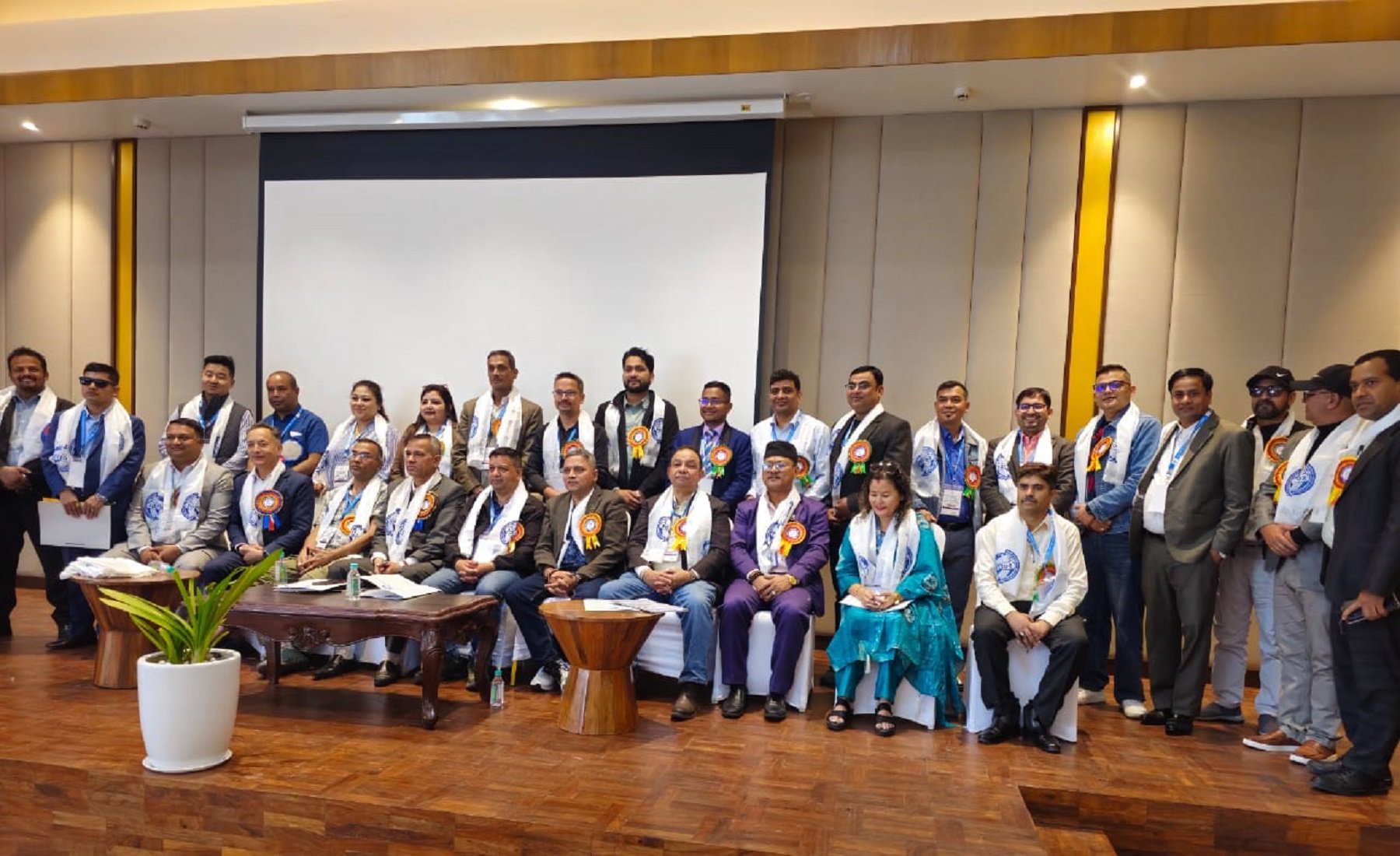





















Travel Capitalist Ventures Expands Check Size to $10 Million to Deepen Emerging Market Conviction
Boutique Travel VC raises investment cap from $1.5M to $10M to lead rounds and support portfolio companies through growth Travel...
Read moreDetails

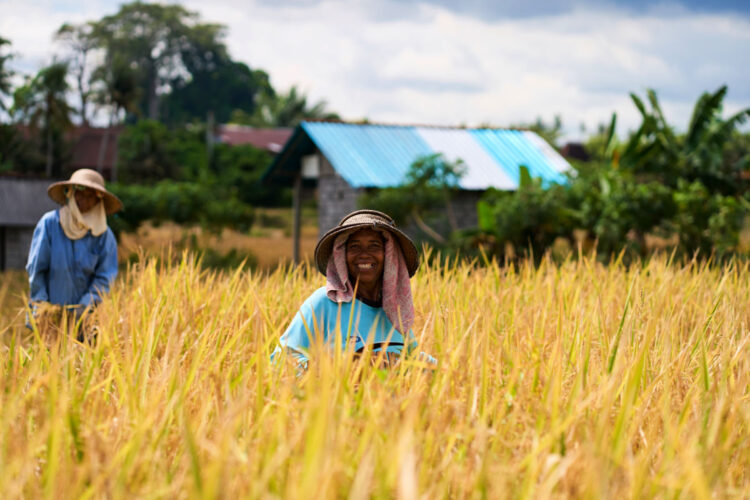
Food, Farming & Wellness Will Be Key Bali Travel Trends In Bali In 2026
Article Summary:
The article discusses the shift in Bali’s economic landscape, where farming, particularly in the Kintamani region, remains the most important business sector despite tourism’s growing influence. It highlights the critical role of Balinese farmers in the Kintamani region and their potential to drive future travel trends, emphasizing the importance of food and farming in the region’s development.
Key Points:
Actionable Takeaways:
Contextual Insights:
The article reflects the ongoing transformation in Bali’s economy, where traditional sectors like farming continue to play a pivotal role despite the rise of tourism. This shift is indicative of a broader trend in the travel industry, where destinations are increasingly focusing on sustainable and authentic experiences. The emphasis on Balinese farmers taking greater ownership of their sector aligns with the growing importance of local economies in the travel narrative. Furthermore, the potential for food and farming to drive future travel trends underscores the importance of integrating agricultural innovation into the travel experience. This forward-looking perspective is crucial for stakeholders in the travel industry, including startups, fintech companies, and tourism operators, as they seek to capitalize on emerging opportunities in Bali’s evolving economic landscape.
Read the Complete Article.
Boutique Travel VC raises investment cap from $1.5M to $10M to lead rounds and support portfolio companies through growth Travel...
Read moreDetails




