



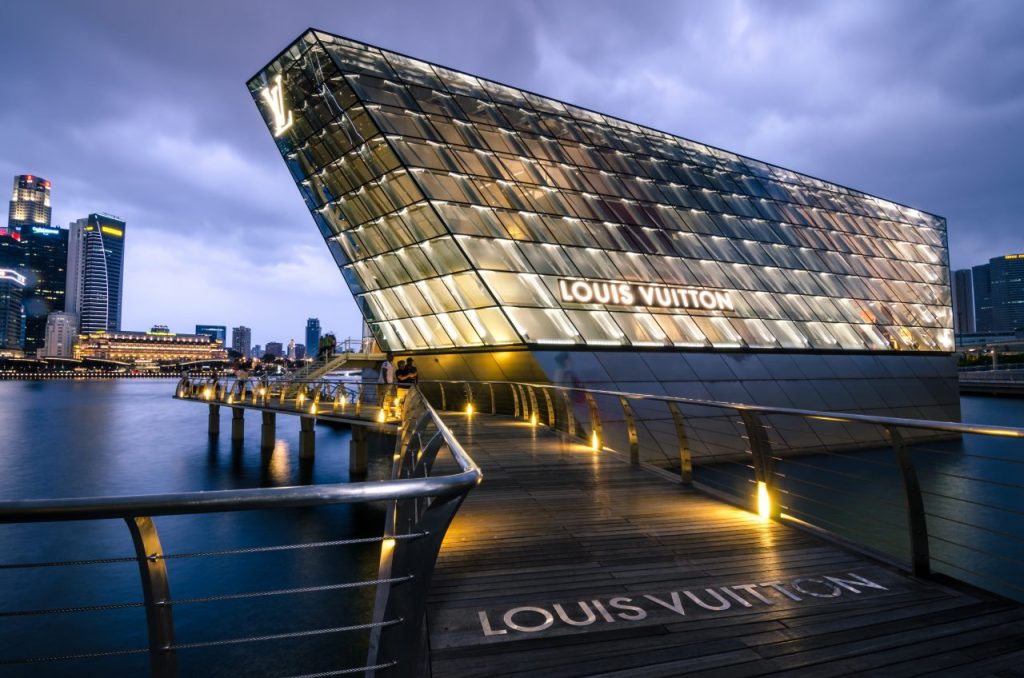

















Travel Capitalist Ventures Expands Check Size to $10 Million to Deepen Emerging Market Conviction
Boutique Travel VC raises investment cap from $1.5M to $10M to lead rounds and support portfolio companies through growth Travel...
Read moreDetails
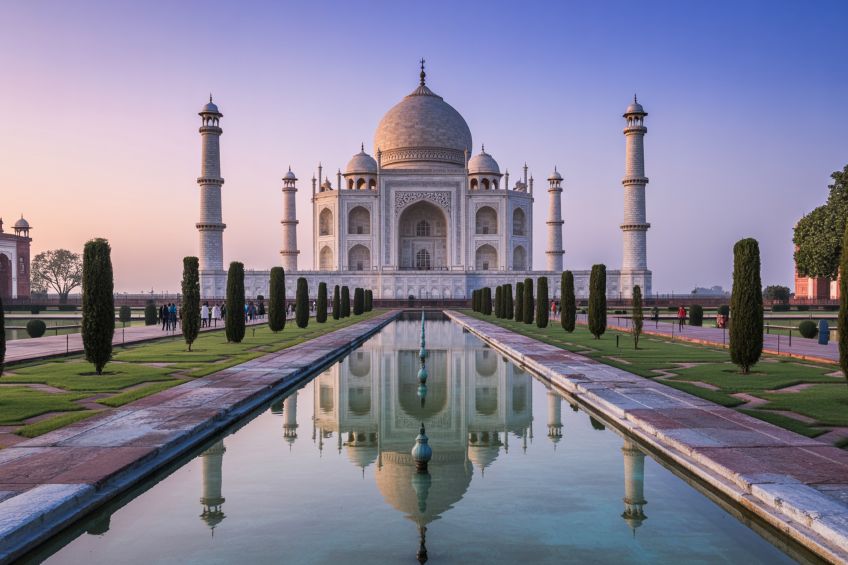
Discover Incredible India in 2026: How the India Tourism Budget Unlocks Wellness Hubs, Scenic Trails...
Comprehensive Summarization:
The article “Discover Incredible India in 2026: How the India Tourism Budget Unlocks Wellness Hubs, Scenic Trails, and Heritage Experiences” outlines India’s ambitious tourism plan for 2026, as detailed in the country’s national budget. The government has positioned tourism as a cornerstone of economic and cultural development, with a focus on offering visitors immersive experiences in wellness, heritage, and nature. The article highlights the emphasis on wellness hubs, scenic trails, and heritage experiences, signaling a shift towards holistic travel experiences that cater to both relaxation and exploration. This strategic focus aligns with broader travel industry trends towards sustainable and enriching travel experiences.
Key Points:
Actionable Takeaways:
Investment in Wellness Tourism: The emphasis on wellness hubs suggests a growing market for wellness tourism in India. Travel businesses and startups focusing on wellness retreats, spa services, and health-focused travel packages could capitalize on this trend by developing tailored offerings that align with the government’s vision.
Promotion of Heritage and Scenic Trails: With a focus on heritage experiences and scenic trails, there is an opportunity for travel agencies and tour operators to develop specialized itineraries that highlight India’s rich cultural and natural landscapes. This could include eco-tourism packages, historical tours, and adventure travel experiences, catering to a diverse range of traveler interests.
Leveraging Tourism Budget for Infrastructure Development: The allocation of funds towards tourism infrastructure could lead to improved facilities at popular destinations, enhancing the overall travel experience. Travel businesses can prepare by investing in technology and services that enhance visitor experiences, such as mobile apps for navigation, real-time information on attractions, and sustainable travel solutions.
Contextual Insights:
The article’s focus on wellness, heritage, and nature aligns with current travel industry trends towards sustainable and enriching travel experiences. Recent data indicates a growing consumer preference for travel experiences that offer both relaxation and cultural enrichment, often with a focus on sustainability. Thought leaders in the travel industry have emphasized the importance of integrating wellness and heritage experiences into travel itineraries to meet these evolving consumer demands. Furthermore, the emphasis on wellness hubs and scenic trails reflects a broader industry shift towards experiential travel, where the journey itself is as important as the destination. This context underscores the potential for innovation in travel tech, fintech, and related sectors, as businesses seek to meet the demands of modern travelers seeking meaningful and sustainable experiences.
Handling Different Article Types:
The article is a news blurb, providing factual information about India’s tourism plan for 2026. The structured output format above is designed to accommodate such factual summaries, ensuring clarity and relevance for a professional audience. For opinion pieces or feature articles, the approach would involve extracting viewpoints, expert analyses, and detailed explorations of specific topics, maintaining strict adherence to the facts and context provided within the article.
Read the Complete Article.
Boutique Travel VC raises investment cap from $1.5M to $10M to lead rounds and support portfolio companies through growth Travel...
Read moreDetails



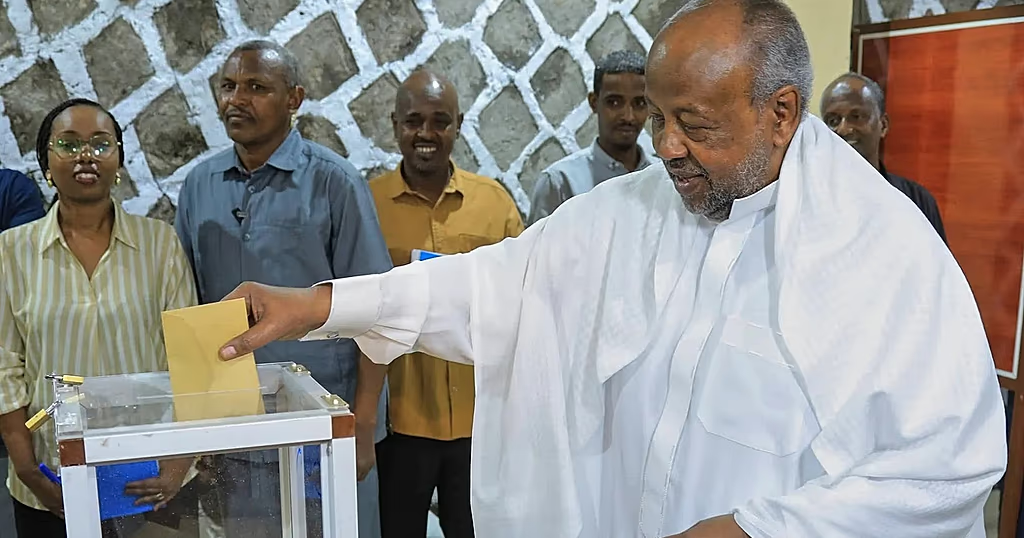
Comprehensive Summarization: The article reports on Djibouti's presidential election, where incumbent President Ismail Omar Guelleh is expected to secure a...
Read moreDetails
