
























Travel Capitalist Ventures Expands Check Size to $10 Million to Deepen Emerging Market Conviction
Boutique Travel VC raises investment cap from $1.5M to $10M to lead rounds and support portfolio companies through growth Travel...
Read moreDetails

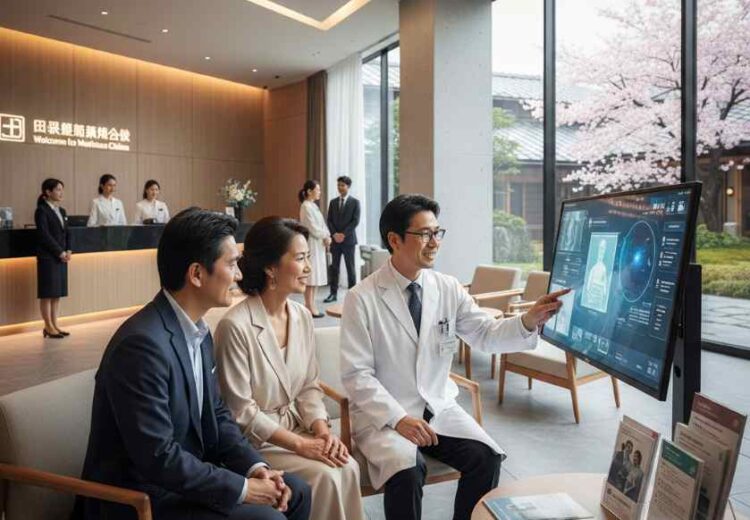
Medical Tourism in Japan: Haneda Airport Hosts New Healthcare Travel Initiative for Global Visitors
Article Summary:
The article reports on a new pilot project at Haneda Airport in Tokyo, Japan, aimed at integrating healthcare and travel services for international tourists. This initiative, a collaboration between a domestic travel agency, a railway operator, and a hospital, seeks to attract global visitors looking for medical tourism opportunities. Published on December 22, 2025, the project represents a significant development in medical tourism, highlighting Japan’s growing role in this sector.
Key Points:
New Healthcare Travel Initiative: The article introduces a pilot project at Haneda Airport, which combines healthcare services with travel, targeting international tourists seeking medical treatments.
Collaborative Effort: The initiative involves a domestic travel agency, a railway operator, and a hospital, indicating a multi-sector partnership to streamline the process for international patients.
Focus on Medical Tourism: The project aims to attract global visitors interested in medical tourism, suggesting a growing trend in Japan’s travel industry towards healthcare-focused travel services.
Innovative Approach: By integrating healthcare and travel services at a major airport, the project represents an innovative approach to medical tourism, potentially setting a precedent for similar initiatives globally.
Actionable Takeaways:
Enhanced Patient Journey: The collaboration between a travel agency, railway operator, and hospital could streamline the patient journey for international medical tourists. This integration could reduce logistical challenges, making medical tourism more accessible and appealing. Relevance: This innovation could set a new standard for patient-centric travel services in the medical tourism sector.
Potential Market Expansion: By targeting international tourists specifically, the project could expand Japan’s medical tourism market. This focus on a niche segment may attract specialized healthcare providers and travel agencies, fostering growth in the sector. Relevance: As medical tourism continues to gain traction, such targeted initiatives could lead to increased market penetration and revenue opportunities for stakeholders.
Technological Integration: The initiative likely involves technological solutions for seamless service delivery, such as online booking systems, real-time health information access, and integrated travel logistics. Relevance: Embracing technology in healthcare travel could enhance operational efficiency and patient satisfaction, aligning with broader industry trends towards digital transformation.
Contextual Insights:
The introduction of this healthcare travel initiative at Haneda Airport reflects Japan’s strategic positioning in the global medical tourism landscape. As of recent trends, medical tourism is increasingly becoming a significant segment within the travel industry, driven by factors such as rising healthcare costs in developed countries, advancements in medical treatments, and the desire for comprehensive care packages that include travel and accommodation services. The collaboration between a travel agency, railway operator, and hospital underscores a broader industry trend towards creating seamless, integrated travel experiences that cater to the unique needs of medical tourists. This move aligns with the growing emphasis on patient-centric services and the demand for convenience and efficiency in healthcare travel. Furthermore, the project’s focus on leveraging Japan’s robust railway network to facilitate patient transportation highlights the importance of logistical support in the medical tourism ecosystem. As the travel industry continues to evolve, such innovations are likely to inspire similar collaborations worldwide, fostering a more interconnected and patient-focused approach to medical tourism.
Read the Complete Article.
Boutique Travel VC raises investment cap from $1.5M to $10M to lead rounds and support portfolio companies through growth Travel...
Read moreDetails




