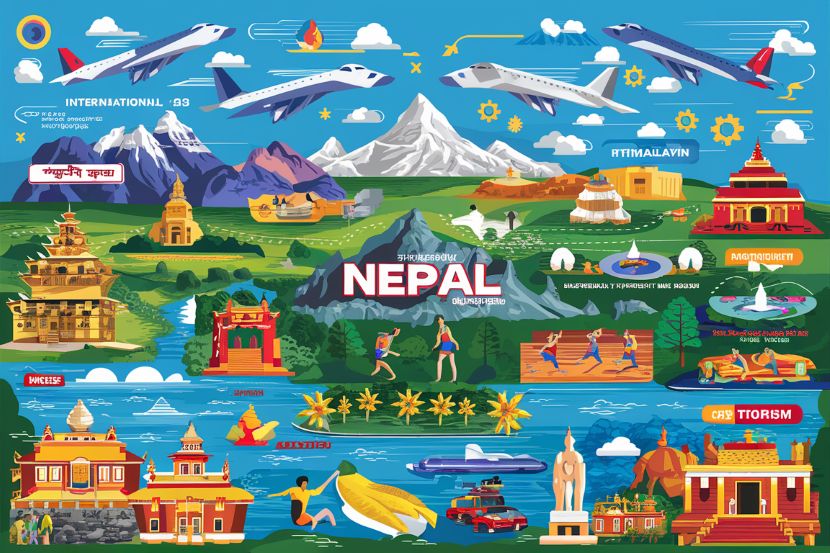
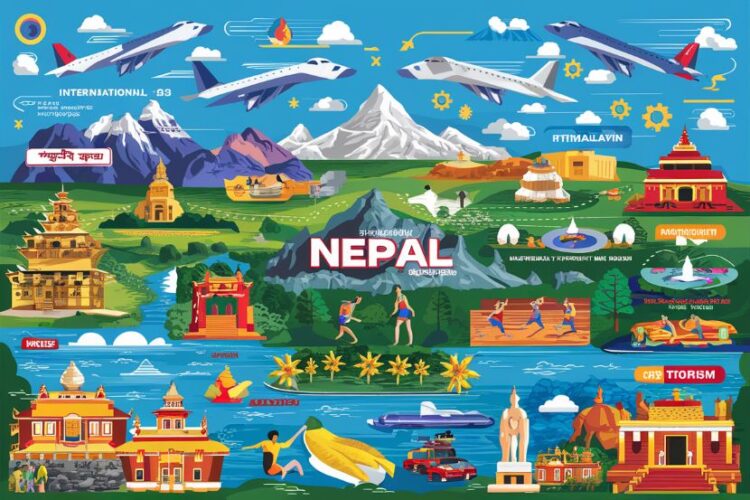
The article discusses the transformative impact of political pledges on air safety and the introduction of new destinations on Nepal’s tourism industry. As Nepal prepares for upcoming elections, four major political parties are focusing on enhancing air safety measures and expanding tourism offerings to international destinations. This strategic shift aims to boost the country’s tourism sector, leveraging its breathtaking landscapes and rich cultural heritage to attract more visitors. The article highlights the importance of political commitment in driving sustainable tourism growth and the potential for Nepal to become a prominent destination in the global travel market.
Key Points:
Political parties in Nepal are prioritizing air safety improvements and expanding tourism destinations as part of their election pledges.
The focus on enhancing air safety is aimed at increasing the reliability and safety of travel to Nepal, thereby attracting more international tourists.
Introduction of new destinations is expected to diversify Nepal’s tourism offerings, catering to a broader range of traveler interests and preferences.
The shift in political focus reflects a broader trend in the travel industry towards sustainable and safe tourism practices.
The article underscores the potential for Nepal to become a significant player in the global tourism market through these strategic initiatives.
Actionable Takeaways:
Investment in Air Safety Infrastructure: Political parties’ emphasis on air safety suggests a growing market demand for secure and reliable air travel options to Nepal. Travel companies and airlines should invest in upgrading their safety protocols and infrastructure to capitalize on this trend. This investment will not only enhance the travel experience for tourists but also position Nepal as a safer tourist destination, potentially increasing visitor numbers.
Diversification of Tourism Offerings: By targeting new destinations, Nepal can broaden its appeal to a wider audience. Travel agencies and tour operators should explore partnerships with local governments to develop unique travel packages that highlight lesser-known destinations. This strategy can attract niche markets, such as adventure travelers and cultural enthusiasts, thereby diversifying revenue streams and reducing dependency on traditional tourist hotspots.
Leveraging Political Commitment for Marketing: The political focus on tourism presents an opportunity for travel brands to align their marketing strategies with government initiatives. By promoting Nepal as a destination that is actively investing in safety and new experiences, companies can enhance their brand image and appeal to environmentally conscious and safety-conscious travelers. This alignment can lead to increased brand loyalty and customer trust.
Contextual Insights:
The article’s context is deeply rooted in Nepal’s strategic efforts to revitalize its tourism sector amidst political changes. The emphasis on air safety and new destinations aligns with current industry trends towards safety, sustainability, and diversification. As the travel industry continues to recover from the impacts of the COVID-19 pandemic, the focus on safety and new experiences is crucial for attracting cautious travelers. Moreover, the article reflects the growing importance of political will in shaping the travel landscape, highlighting how policy decisions can directly influence market dynamics. For thought leaders and industry stakeholders, this underscores the need to stay informed about political developments and their potential impact on tourism strategies. The integration of these insights into travel planning and marketing can provide a competitive edge in an increasingly dynamic market.
Comprehensive Summarization: The article reports on significant travel disruptions at Keflavik International Airport in Iceland, where 27 flights were delayed...