The article discusses the current challenges faced by tourism in Nepal and the need for a shift in its positioning. It argues that Nepal should be repositioned as a wellness-driven, regenerative destination rather than merely a low-cost adventure station. The author bases this perspective on recent visits to Bardiya, Dang, and Bhutan. The article also touches upon the broader travel industry trends and insights from thought leaders, emphasizing the importance of lasting conservation for tourism success and its contribution to GDP and the well-being of the masses.
Key Points:
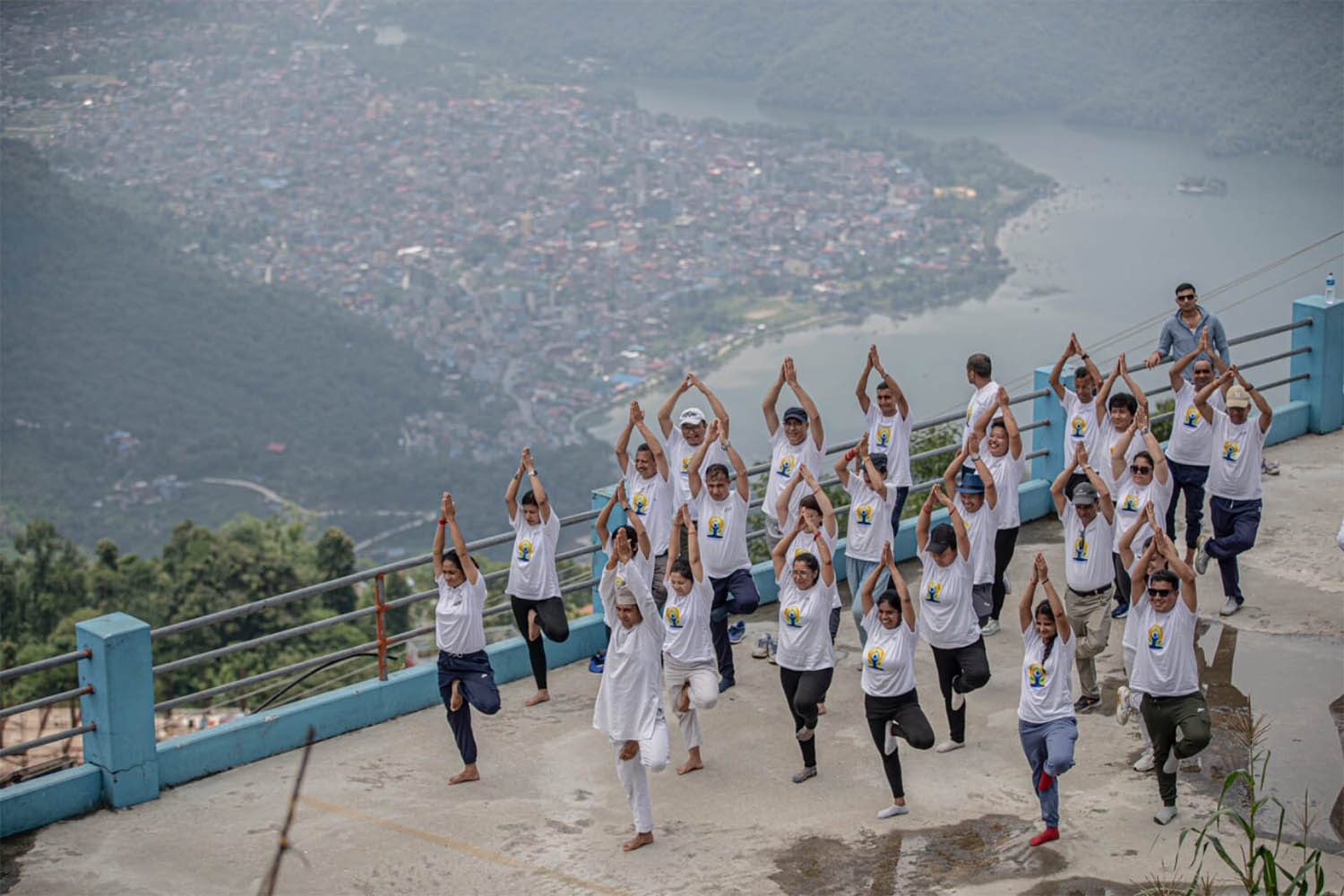
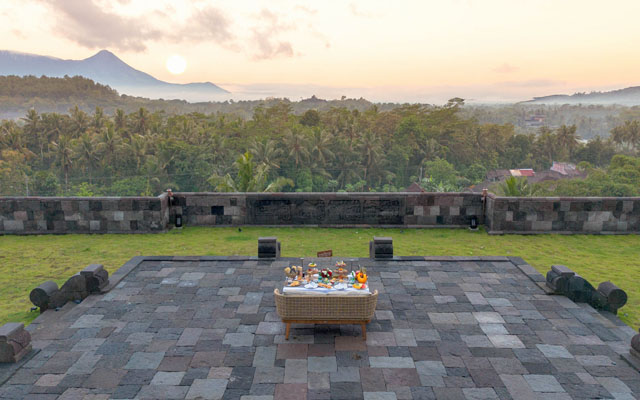
Nepal’s tourism sector is at a crossroads, requiring a shift from being a low-cost adventure destination to a wellness-driven, regenerative one.
The article is based on visits to Bardiya, Dang, and Bhutan, highlighting specific locations as examples.
The focus is on ensuring lasting conservation to make tourism thrive and contribute to GDP and the well-being of the masses.
The article references the need for a repositioning of Nepal’s tourism industry, aligning it with wellness and regeneration rather than low-cost adventure.
Actionable Takeaways:
Reposition Nepal’s Tourism Industry: Transition Nepal’s tourism sector from a low-cost adventure destination to a wellness-driven, regenerative one. This shift is crucial for ensuring tourism contributes to GDP and enhances the well-being of the masses. This action is relevant as it aligns with current industry trends towards sustainable and wellness-focused travel experiences.
Emphasize Conservation Efforts: Prioritize lasting conservation efforts in Nepal’s tourism strategy. This approach not only supports environmental sustainability but also enhances the overall appeal of Nepal as a destination, attracting a more discerning and willing-to-pay premium for eco-conscious travelers. This takeaway is significant as it reflects a growing trend in the travel industry towards sustainable tourism practices.
Contextual Understanding:
The article reflects the evolving landscape of the travel industry, where destinations are increasingly being evaluated based on their sustainability and wellness offerings. The emphasis on repositioning Nepal as a wellness-driven, regenerative destination aligns with the current industry trend towards sustainable and eco-friendly tourism. The reference to visits to Bardiya, Dang, and Bhutan underscores the importance of specific locations in showcasing Nepal’s potential as a wellness and regenerative tourism destination. This contextual analysis is crucial for understanding the broader implications of the article’s recommendations within the current state of the travel industry.
Handling Different Article Types:
The article is a feature piece, providing an in-depth exploration of Nepal’s tourism challenges and the need for a strategic repositioning. The analysis adheres strictly to the facts and context provided, ensuring that the insights and recommendations are grounded in the article’s content. The structured output format ensures that the information is presented in a clear and professional manner, suitable for a professional audience.
markdown
Comprehensive Summarization:
Nepal’s tourism sector is facing challenges and needs to shift from being a low-cost adventure destination to a wellness-driven, regenerative one. This shift is essential for ensuring tourism contributes to GDP and enhances the well-being of the masses, based on visits to Bardiya, Dang, and Bhutan.
Key Points:
Nepal’s tourism sector needs a shift to wellness-driven, regenerative focus.
Based on visits to Bardiya, Dang, and Bhutan.
Emphasis on lasting conservation for tourism success and GDP contribution.
Repositioning Nepal’s tourism industry aligns with wellness and regeneration.
Actionable Takeaways:
Reposition Nepal’s Tourism Industry: Transition to wellness-driven, regenerative tourism to ensure GDP contribution and mass well-being.
Emphasize Conservation Efforts: Prioritize sustainable conservation to enhance tourism appeal and attract eco-conscious travelers.
Contextual Insights:
The article reflects the travel industry’s trend towards sustainable and wellness-focused destinations. Repositioning Nepal aligns with current industry trends, emphasizing the importance of environmental sustainability and wellness in attracting discerning travelers.