






No products in the cart.
- Latest
- Trending

AFCON 2025 kicks off: Morocco ready to host the continent
Article Summary:
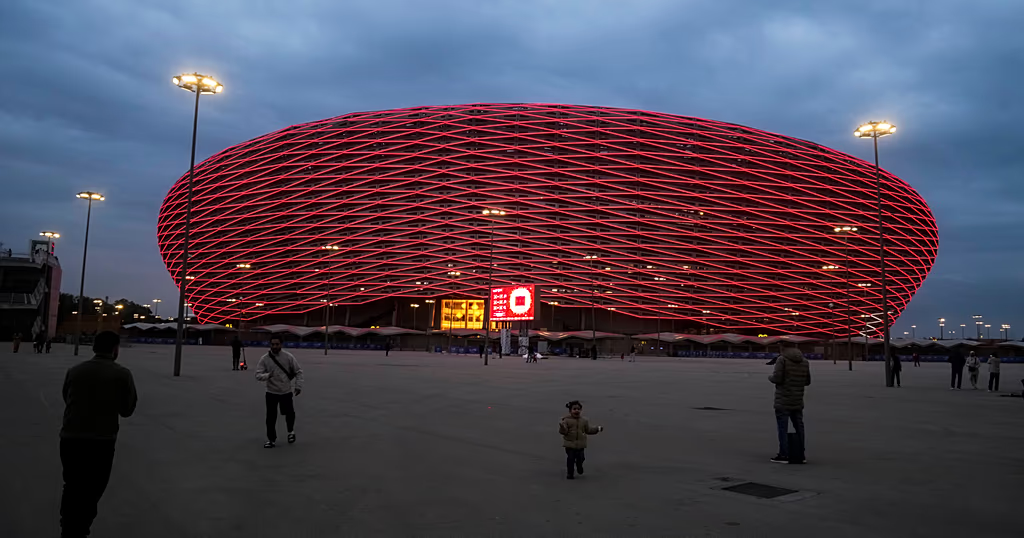
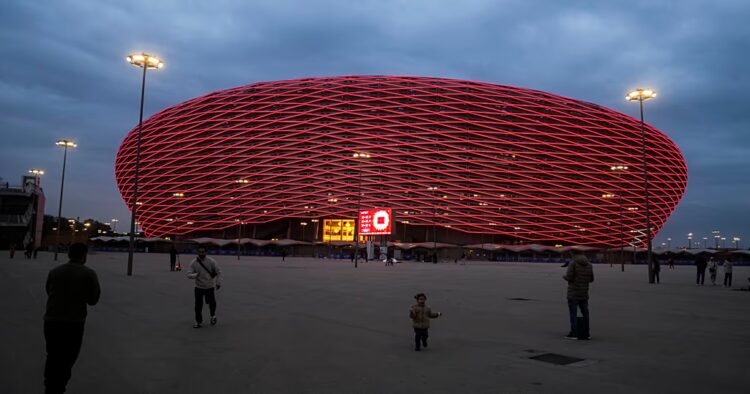
The Africa Cup of Nations (AFCON) 2025 has commenced in Morocco, marking a significant event for the continent’s biggest football tournament. With 24 teams, six host cities, and nine stadiums, Morocco is preparing for this high-visibility event, which is seen as a dress rehearsal for the 2030 World Cup. The Moroccan kingdom has undertaken extensive infrastructure programs, positioning the country as a leader in African sporting history. The defending champion, Ivory Coast, secured the title last time, while Nigeria aims to surpass this achievement.
Key Points:
Actionable Takeaways:
Infrastructure Investment in Sports: Morocco’s aggressive infrastructure programs for AFCON 2025 demonstrate a strong commitment to sports development in Africa. This investment could set a precedent for other African nations looking to enhance their sports infrastructure, potentially leading to increased tourism and economic benefits in host cities.
Tournament as a Global Platform: The AFCON being used as a dress rehearsal for the 2030 World Cup suggests a strategic approach to global sports events. This trend indicates that countries are increasingly leveraging major tournaments to showcase their capabilities and attract international attention, which could influence future hosting decisions and the planning of global sports events.
Contextual Insights:
The commencement of AFCON 2025 in Morocco underscores the growing importance of sports infrastructure development in Africa. The extensive preparations and investments made by Morocco not only enhance the tournament experience for participants and spectators but also position the country as a leader in sports tourism. This aligns with broader industry trends where sports events are increasingly recognized as catalysts for economic growth and infrastructure development. Furthermore, the focus on preparing for the 2030 World Cup highlights a strategic foresight among African nations to leverage major sporting events for long-term benefits, including increased tourism, economic opportunities, and global recognition. This context is crucial for understanding the broader implications of the tournament and its potential impact on the travel and tourism industry in Africa.
Read the Complete Article.
Get curated travel AI insights — choose the newsletters that matter to you.
ALTOUR Expands into Thailand, Strengthening Corporate Travel Network Across Southeast Asia BANGKOK, THAILAND (25 March, 2026) – ALTOUR, a leading...
Read moreDetails


Comprehensive Summarization: Hanjin Kal Corp, listed on the Korea Exchange under ISIN KR7025540006, is a prominent player in South Korea's...
Read moreDetails