The article discusses the significant impact of high oil prices, driven by the ongoing war in the Middle East and the disruption of shipping through the Strait of Hormuz, on the African continent. Oil prices have surged past $100 per barrel due to the closure of the Strait of Hormuz and Iran’s attack on energy facilities in the Gulf. A top African energy regulator warns that persistent fuel shortages and high prices could reduce economic growth across the continent by three percentage points. The situation has caused panic among industry stakeholders, as highlighted by Geoffrey Aori, CEO of the Regional.
Key Points:
Oil prices have risen above $100 per barrel due to the disruption of shipping in the Strait of Hormuz and Iran’s actions in the Gulf.
The closure of the Strait of Hormuz and attacks on energy facilities have led to fuel shortages and high oil prices.
A top African energy regulator has warned that persistent high oil prices could reduce economic growth across Africa by three percentage points.
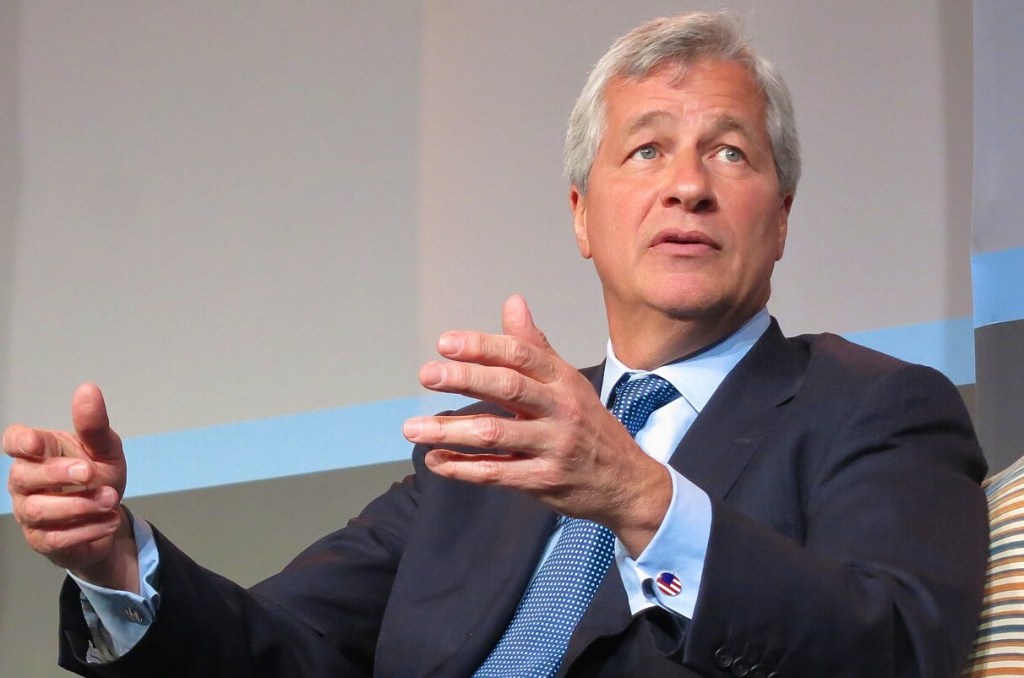
Geoffrey Aori, CEO of the Regional, has noted a sense of panic among industry stakeholders due to the current situation.
Actionable Takeaways:
Economic Impact on Africa: The potential three percentage point reduction in economic growth across Africa due to high oil prices underscores the vulnerability of the continent’s economy to global oil price fluctuations. Relevance: This highlights the need for African nations to diversify their energy sources and develop strategies to mitigate the economic impact of oil price volatility. Impact: It could lead to increased investment in renewable energy sources and energy efficiency measures to safeguard economic stability.
Strategic Planning for Travel Industry: The disruption in oil supply and the resulting economic slowdown could impact travel and tourism sectors across Africa. Relevance: Travel companies and tourism boards need to prepare for potential downturns by diversifying their revenue streams and investing in digital and alternative tourism solutions. Impact: This could foster innovation in the travel sector, such as the growth of eco-tourism, digital nomad travel, and sustainable tourism initiatives, which are less dependent on traditional oil-driven economies.
Contextual Insights:
The article reflects the current global context of high oil prices driven by geopolitical tensions and supply disruptions. This situation is particularly relevant to the travel industry, which is heavily influenced by fuel costs. The recent trends indicate a growing interest in sustainable and alternative travel options, as consumers become more environmentally conscious. Thought leaders in the travel industry are increasingly advocating for the adoption of green technologies and practices to mitigate the impact of high oil prices. This article serves as a timely reminder for stakeholders in the travel sector to remain agile and proactive in adapting to such economic challenges. By focusing on innovation and diversification, the travel industry can better navigate the uncertainties posed by fluctuating oil prices and maintain resilience in the face of global economic shifts.