





















Travel Capitalist Ventures Expands Check Size to $10 Million to Deepen Emerging Market Conviction
Boutique Travel VC raises investment cap from $1.5M to $10M to lead rounds and support portfolio companies through growth Travel...
Read moreDetails
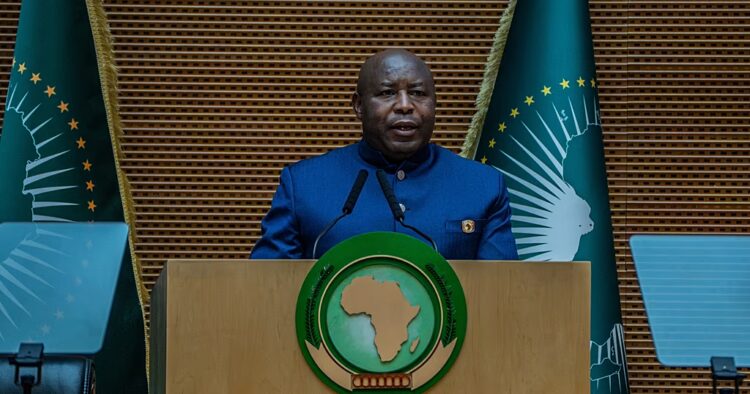
African Union holds summit: is it ignoring the real issues?
Comprehensive Summarization:
The African Union (AU) is currently holding its annual summit in Ethiopia amidst a backdrop of significant challenges across the continent, including genocide, insurgencies, and coups. This summit, which convenes 55 member states often on opposing sides of conflicts, highlights the AU’s struggle to address these crises effectively. The article underscores the AU’s limited capacity to provide solutions to these complex issues, reflecting broader challenges within the African continent and the broader implications for regional stability and governance.
Key Points:
Actionable Takeaways:
Enhanced Regional Governance Structures: Given the AU’s ongoing struggles to effectively address crises across Africa, there is a pressing need for enhanced regional governance structures. Strengthening these structures could improve the AU’s ability to mediate conflicts and provide timely solutions, thereby fostering regional stability. This could involve revising the AU’s charter to empower regional bodies more decisively, ensuring they have the authority and resources to act effectively in crisis situations.
Increased Investment in Conflict Resolution Mechanisms: The AU’s limited capacity to address conflicts suggests a need for increased investment in conflict resolution mechanisms. This could include funding for specialized peacekeeping missions, training programs for AU officials on conflict resolution, and partnerships with international organizations to leverage their expertise. Such investments would not only bolster the AU’s effectiveness but also enhance its credibility as a regional authority capable of addressing Africa’s complex security challenges.
Contextual Insights:
The current context of the AU summit is deeply rooted in the continent’s ongoing struggles with security and governance. The presence of genocide, insurgencies, and coups at the summit highlights the urgent need for the AU to step up its efforts in conflict resolution and peacekeeping. This situation is reflective of broader trends in the African travel industry, where stability and security are paramount for sustainable tourism development. As the AU grapples with these challenges, the travel industry must adapt by focusing on regions with more stable governance and security environments. This may involve increased investment in risk assessment and management strategies, as well as partnerships with local governments and NGOs to promote safe travel practices. Furthermore, the AU’s inability to effectively address conflicts underscores the importance of travel advisories and safety information for tourists, which can significantly influence travel decisions and contribute to safer travel experiences.
Read the Complete Article.
Boutique Travel VC raises investment cap from $1.5M to $10M to lead rounds and support portfolio companies through growth Travel...
Read moreDetails



Comprehensive Summarization: The article reports on the recent US-Iran ceasefire, which is contributing to a rebound in global tourism. This...
Read moreDetails
