








No products in the cart.
- Latest
- Trending

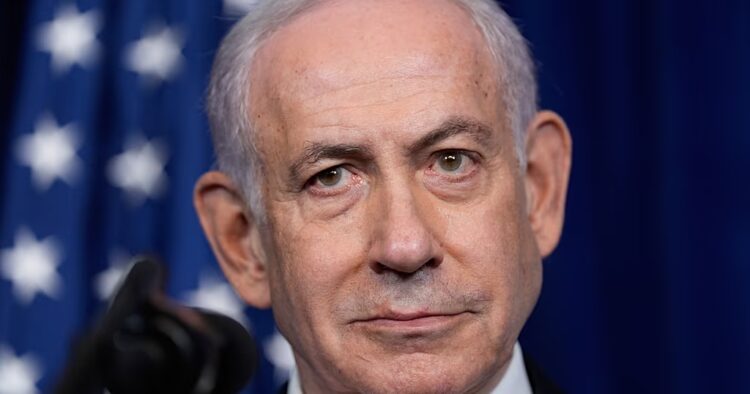
Africa faces growth slowdown due to war on Iran - Report
Comprehensive Summarization:
The article highlights a serious risk posed by the Middle East conflict to Africa, as reported by the African Union and the African Development Bank (AfDB). The conflict threatens to escalate the cost of living and hinder growth on the continent. It notes that the Middle East accounts for 15.8% of Africa’s imports and 10.9% of its exports, indicating significant economic interdependence. The report warns that the conflict, already causing a trade shock, could quickly escalate into a cost-of-living crisis across Africa through higher fuel and food prices, increased shipping and insurance costs, and other economic repercussions.
Key Points:
Actionable Takeaways:
Economic Diversification: African nations should consider diversifying their trade routes and economic partnerships to reduce dependency on the Middle East. This could mitigate the impact of conflicts on their economies and foster resilience against external shocks.
Investment in Local Supply Chains: To counteract rising fuel and food prices, African countries could invest in strengthening local supply chains and production capabilities. This would help stabilize domestic markets and reduce reliance on imported goods, thereby protecting against external economic disruptions.
Enhanced Trade Agreements: Strengthening trade agreements with non-Middle Eastern regions could provide alternative markets and supply sources. This would not only diversify economic dependencies but also stimulate growth in sectors less affected by the conflict, fostering overall economic stability and growth.
Contextual Insights:
The article reflects the current geopolitical tensions in the Middle East and their direct impact on Africa’s economic landscape. The interconnectedness of global trade, as evidenced by the Middle East’s significant share in Africa’s imports and exports, underscores the vulnerability of African economies to regional conflicts. This situation highlights the importance of strategic economic planning and diversification to mitigate risks associated with geopolitical instability. Furthermore, the potential escalation of the conflict into a cost-of-living crisis underscores the urgent need for African nations to bolster their economic resilience through local production, diversified trade, and robust trade agreements. These insights are crucial for travel startups and fintech innovators looking to navigate the evolving economic challenges in Africa, emphasizing the need for adaptable and forward-thinking strategies in a volatile global environment.
Read the Complete Article.
Get curated travel AI insights — choose the newsletters that matter to you.
ALTOUR Expands into Thailand, Strengthening Corporate Travel Network Across Southeast Asia BANGKOK, THAILAND (25 March, 2026) – ALTOUR, a leading...
Read moreDetails


Comprehensive Summarization: The article reports that Tourism Malaysia has re-engaged with Pakistan’s travel industry by participating in the Pakistan Travel...
Read moreDetails