










No products in the cart.
- Latest
- Trending

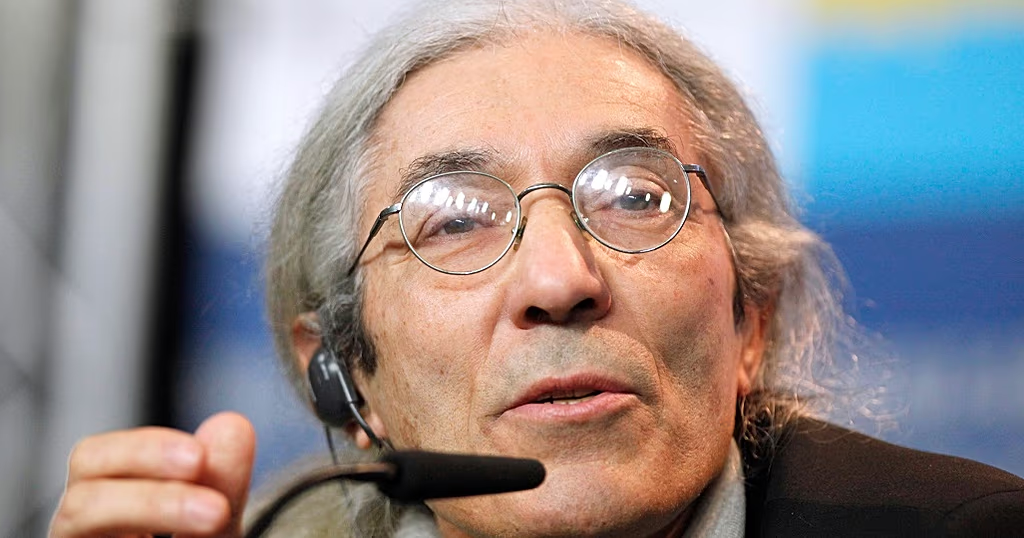
Algeria pardons jailed French-Algerian writer Boualem Sansal
Article Summary:
Algeria has granted a humanitarian pardon to French-Algerian novelist Boualem Sansal, releasing the 76-year-old writer after a year-long imprisonment. Sansal was serving a five-year sentence for "undermining national unity" under anti-terrorism laws. His case sparked international condemnation and highlighted diplomatic tensions between Algiers and Paris. The author’s health, already compromised by cancer, deteriorated during his detention.
Key Points:
Actionable Takeaways:
Contextual Insights:
The release of Boualem Sansal reflects broader trends in international relations where cultural diplomacy plays a significant role. In the travel industry, such diplomatic developments can influence tourism policies and cross-border collaborations. For instance, increased cooperation between Algeria and France could lead to enhanced travel opportunities and cultural exchanges, benefiting the travel sector. Additionally, the case underscores the importance of health advocacy in legal contexts, suggesting that travel startups and fintech innovations could develop services to support travelers facing similar legal and health challenges abroad. This could include travel insurance products that offer comprehensive coverage for health emergencies and legal assistance, thereby enhancing the safety and confidence of travelers.
Read the Complete Article.
Get curated travel AI insights — choose the newsletters that matter to you.
ALTOUR Expands into Thailand, Strengthening Corporate Travel Network Across Southeast Asia BANGKOK, THAILAND (25 March, 2026) – ALTOUR, a leading...
Read moreDetails


Comprehensive Summarization: AerCap, a global aircraft finance and leasing company, has entered into lease agreements with Ethiopian Airlines for two...
Read moreDetails