















Travel Capitalist Ventures Expands Check Size to $10 Million to Deepen Emerging Market Conviction
Boutique Travel VC raises investment cap from $1.5M to $10M to lead rounds and support portfolio companies through growth Travel...
Read moreDetails
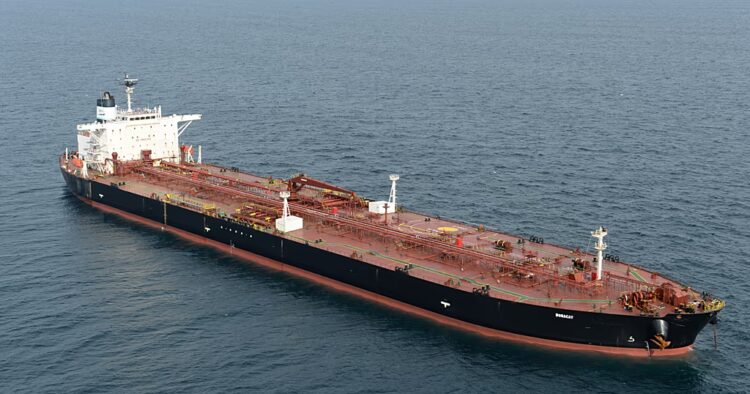
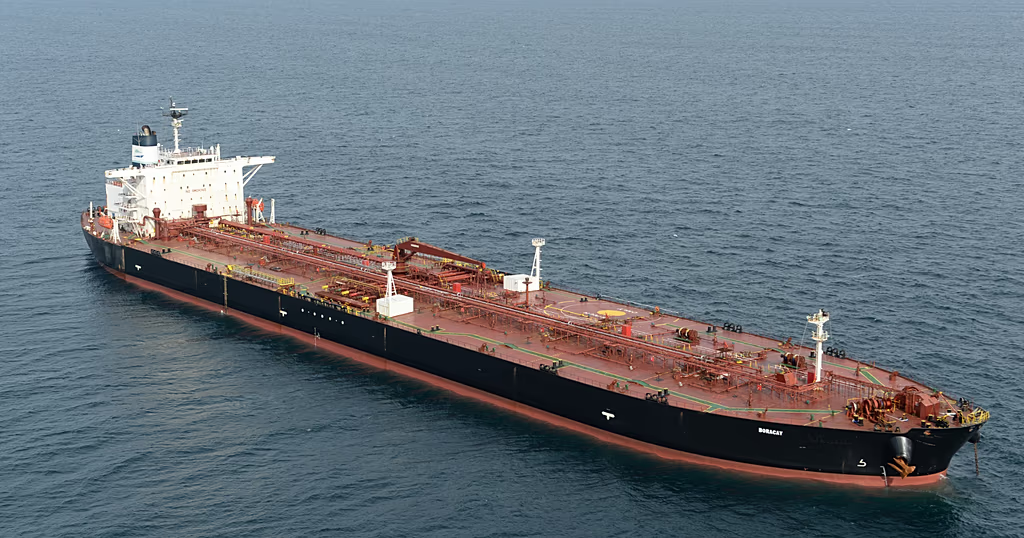
Belgium seizes Russian 'shadow fleet' tanker
Comprehensive Summarization:
Belgium’s special forces successfully intercepted and seized a Russian oil tanker from the “shadow fleet” that circumvents Western sanctions over the war in Ukraine. The operation, announced on Sunday, took place in the North Sea with aerial support from French military helicopters. The vessel was escorted to the port of Zeebrugge after interception within Belgium’s exclusive economic zone. The Belgian government confirmed the details of the operation, highlighting the interception of a ship from Russia’s shadow fleet. This event underscores the ongoing efforts to enforce sanctions and disrupt Russian military supply lines.
Key Points:
Actionable Takeaways:
Enhanced Sanctions Enforcement: The successful interception of a Russian tanker demonstrates the effectiveness of coordinated military and naval operations in enforcing sanctions. This could encourage other nations to enhance their capabilities in monitoring and intercepting sanctioned vessels, potentially disrupting Russian military supply chains further.
Strategic Military Cooperation: The involvement of French military helicopters in the operation highlights the importance of international cooperation in enforcing sanctions. This could lead to increased collaboration between Western nations in maritime operations, potentially setting a precedent for future joint operations aimed at sanction enforcement.
Contextual Insights:
The interception of the Russian tanker is a significant development in the context of ongoing geopolitical tensions stemming from the war in Ukraine. It reflects the broader strategy of Western nations to enforce sanctions against Russia, particularly in sectors critical to its military operations, such as oil and gas. This operation underscores the growing importance of naval and aerial capabilities in enforcing international law and economic sanctions. From a travel industry perspective, such actions could impact supply chains for travel-related goods and services, particularly those reliant on Russian oil imports. Additionally, the operation may prompt travel companies to reassess their logistics and supply chain strategies to mitigate potential disruptions.
Handling Different Article Types:
The article in question is a news blurb, providing factual information about a recent military operation. The structured output format above is tailored to present such factual summaries clearly and concisely, ensuring that the information is easily digestible for a professional audience.
Read the Complete Article.
Boutique Travel VC raises investment cap from $1.5M to $10M to lead rounds and support portfolio companies through growth Travel...
Read moreDetails



Comprehensive Summarization: VINCI Airports has reaffirmed its commitment to collaborating with the Royal Government of Cambodia to further develop the...
Read moreDetails